Advantages and Disadvantages of GFRC Materials

May 26

Glass Fiber Reinforced Concrete (GFRC) is an innovative material that has become increasingly popular in construction due to its unique characteristics. As a GFRC manufacturer, understanding the advantages and disadvantages of GFRC materials can help you make informed decisions for your projects and clientele. This guide outlines key aspects of GFRC, including its durability, weight, cost-effectiveness, and the potential drawbacks such as maintenance and production limitations.
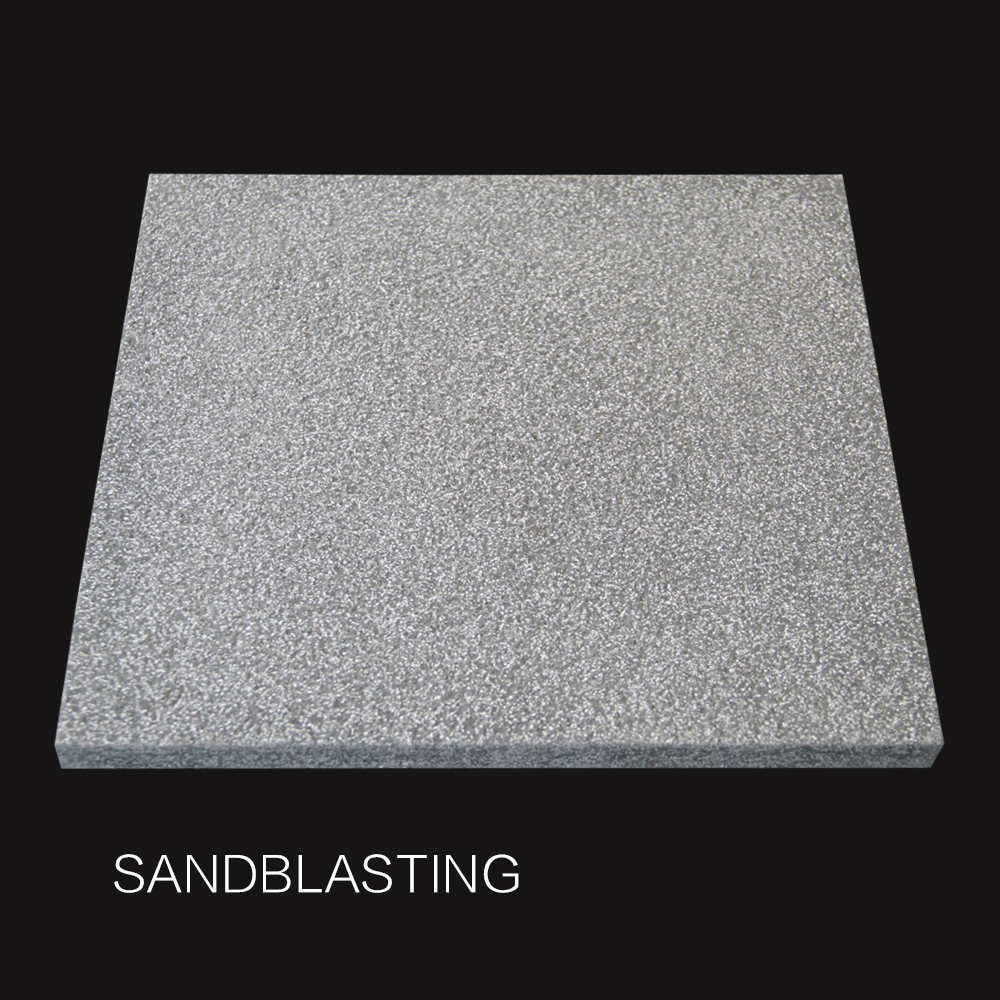
1. Key Advantages of GFRC Materials

1.1 Durability and Strength

GFRC offers remarkable strength due to the inclusion of glass fibers in the concrete mix. This enhanced durability allows it to withstand harsh weather conditions, making it suitable for various climates.

1.2 Lightweight Properties

One of the significant advantages of GFRC is its lightweight nature compared to traditional concrete. This property aids in reducing transportation costs and makes it easier to handle during installation.

1.3 Versatility in Design

GFRC can be molded into a variety of shapes and textures, offering versatility that appeals to architects and designers. This adaptability enables creative freedom in aesthetic design.

1.4 Cost-Effectiveness

While the initial investment in GFRC may be higher than that of traditional concrete, the long-term savings on maintenance and reduced structural support requirements can offset these costs.

1.5 Resistance to Cracking

GFRC\'s formulation minimizes the risk of cracking, a common issue with traditional concrete. Its enhanced flexibility contributes to the longevity of structures made with this material.

2. Disadvantages of GFRC Materials

2.1 Initial Cost

The upfront costs to produce GFRC can be higher than conventional concrete due to the material\'s fabrication processes and the cost of raw materials.

2.2 Need for Skilled Labor

Working with GFRC requires skilled labor for installation and finishing. This need can lead to increased labor costs and project timelines.

2.3 Limited Structural Capacity

While GFRC is strong for its weight, it does have limitations in structural capacity compared to traditional concrete. This factor must be considered when designing load-bearing elements.

2.4 Potential for Surface Damage

The surface of GFRC can be susceptible to scratching and weathering, posing maintenance challenges over time. Protective coatings can alleviate this issue but may add to upkeep costs.

2.5 Production Limitations

The production of GFRC can be more complex, requiring careful control of manufacturing processes to ensure quality and performance in the final product.

3. Summary Table: Comparison of GFRC with Traditional Concrete

FeatureGFRCTraditional Concrete
WeightLightweightHeavy
DurabilityHighModerate
CostModerate to HighLow
Design FlexibilityHighModerate
MaintenanceModerateHigh

4. Conclusion: Is GFRC Right for Your Project?

GFRC materials present a mixture of benefits and challenges that should be carefully considered when selecting materials for construction projects. While GFRC offers durability, lightweight properties, and design versatility, potential drawbacks exist, including higher costs and maintenance concerns. Evaluating these factors will help you determine whether GFRC is the right choice for your specific applications.

5. Frequently Asked Questions about GFRC

5.1 What is GFRC made of?

GFRC is primarily made from a mixture of cement, sand, water, glass fibers, and additives that enhance its performance.

5.2 How long does GFRC last?

When properly maintained, GFRC can last for decades, often outperforming traditional concrete in longevity.

5.3 Can GFRC be used for load-bearing applications?

While GFRC is not typically used for primary load-bearing applications, it can be used in structures with non-structural elements that require strength and durability.

5.4 How do you maintain GFRC?

Maintenance of GFRC involves regular cleaning and may include the application of sealants or protective coatings to enhance its surface durability.

5.5 Is GFRC environmentally friendly?

GFRC can be considered environmentally friendly since it typically uses less material due to its strength and longevity, reducing the demand for raw materials.

GET IN TOUCH WITH US

As a GFRC professional manufacturing and construction enterprise, Jushui has always adhered to strict scientific management. From project initiation to production organization preparation, from supplier management to refined production, from process monitoring to final inspection, from product delivery to construction organization planning, from on-site installation to final acceptance, accurate planning and strict execution are emphasized everywhere. Exquisite craftsmanship and rigorous attitude run through the entire process of production and construction.

  • Afghanistan
  • Albania
  • Algeria
  • American Samoa
  • Andorra
  • Angola
  • Anguilla
  • Antarctica
  • Antigua and Barbuda
  • Argentina
  • Armenia
  • Aruba
  • Australia
  • Austria
  • Azerbaijan
  • Bahamas
  • Bahrain
  • Bangladesh
  • Barbados
  • Belarus
  • Belgium
  • Belize
  • Benin
  • Bermuda
  • Bhutan
  • Bolivia
  • Bosnia and Herzegovina
  • Botswana
  • Bouvet Island
  • Brazil
  • British Indian Ocean Territory
  • Brunei Darussalam
  • Bulgaria
  • Burkina Faso
  • Burundi
  • Cambodia
  • Cameroon
  • Canada
  • Cape Verde
  • Cayman Islands
  • Central African Republic
  • Chad
  • Chile
  • China
  • Christmas Island
  • Cocos (Keeling) Islands
  • Colombia
  • Comoros
  • Congo
  • Cook Islands
  • Costa Rica
  • Cote D'Ivoire
  • Croatia
  • Cuba
  • Cyprus
  • Czech Republic
  • Denmark
  • Djibouti
  • Dominica
  • East Timor
  • Ecuador
  • Egypt
  • El Salvador
  • Equatorial Guinea
  • Eritrea
  • Estonia
  • Ethiopia
  • Falkland Islands (Malvinas)
  • Faroe Islands
  • Fiji
  • Finland
  • France, Metropolitan
  • French Guiana
  • French Polynesia
  • Gabon
  • Gambia
  • Georgia
  • Germany
  • Ghana
  • Gibraltar
  • Greece
  • Greenland
  • Grenada
  • Guadeloupe
  • Guam
  • Guatemala
  • Guinea
  • Guinea-Bissau
  • Guyana
  • Haiti
  • Honduras
  • Hong Kong,China
  • Hungary
  • Iceland
  • India
  • Indonesia
  • Iran (Islamic Republic of)
  • Iraq
  • Ireland
  • Israel
  • Italy
  • Jamaica
  • Japan
  • Jordan
  • Kazakhstan
  • Kenya
  • Kiribati
  • North Korea
  • South Korea
  • Kuwait
  • Kyrgyzstan
  • Lao People's Democratic Republic
  • Latvia
  • Lebanon
  • Lesotho
  • Liberia
  • Libyan Arab Jamahiriya
  • Liechtenstein
  • Lithuania
  • Luxembourg
  • Macau
  • Madagascar
  • Malawi
  • Malaysia
  • Maldives
  • Mali
  • Malta
  • Marshall Islands
  • Martinique
  • Mauritania
  • Mauritius
  • Mayotte
  • Mexico
  • Micronesia
  • Moldova
  • Monaco
  • Mongolia
  • Montserrat
  • Morocco
  • Mozambique
  • Myanmar
  • Namibia
  • Nauru
  • Nepal
  • Netherlands
  • New Caledonia
  • New Zealand
  • Nicaragua
  • Niger
  • Nigeria
  • Niue
  • Norfolk Island
  • Northern Mariana Islands
  • Norway
  • Oman
  • Pakistan
  • Palau
  • Panama
  • Papua New Guinea
  • Paraguay
  • Peru
  • Philippines
  • Pitcairn
  • Poland
  • Portugal
  • Puerto Rico
  • Qatar
  • Reunion
  • Romania
  • Russian Federation
  • Rwanda
  • Saint Kitts and Nevis
  • Saint Lucia
  • Saint Vincent and the Grenadines
  • Samoa
  • San Marino
  • Saudi Arabia
  • Senegal
  • Seychelles
  • Sierra Leone
  • Singapore
  • Slovak Republic
  • Slovenia
  • Solomon Islands
  • Somalia
  • South Africa
  • Spain
  • Sri Lanka
  • St. Helena
  • Sudan
  • Suriname
  • Swaziland
  • Sweden
  • Switzerland
  • Syrian Arab Republic
  • Taiwan, China
  • Tajikistan
  • Tanzania
  • Thailand
  • Togo
  • Tokelau
  • Tonga
  • Trinidad and Tobago
  • Tunisia
  • Turkey
  • Turkmenistan
  • Turks and Caicos Islands
  • Tuvalu
  • Uganda
  • Ukraine
  • United Arab Emirates
  • United Kingdom
  • United States
  • Uruguay
  • Uzbekistan
  • Vanuatu
  • Vatican City State (Holy See)
  • Venezuela
  • Viet Nam
  • Virgin Islands (U.S.)
  • Wallis and Futuna Islands
  • Western Sahara
  • Yemen
  • Zambia
  • Zimbabwe
  • Montenegro
  • Serbia
  • Palestine
  • South Sudan
  • Jersey

IS THERE ANYTHING WE CAN HELP YOU WITH ?

The company is committed to becoming a domestic manufacturer of high-quality products. Resolutely prioritize quality, use new technologies and products, and keep up with market trends. Our company's projects cover all continents around the world, and through the output of high-quality projects, we achieve brand influence and brand value
WeChat
WeChat