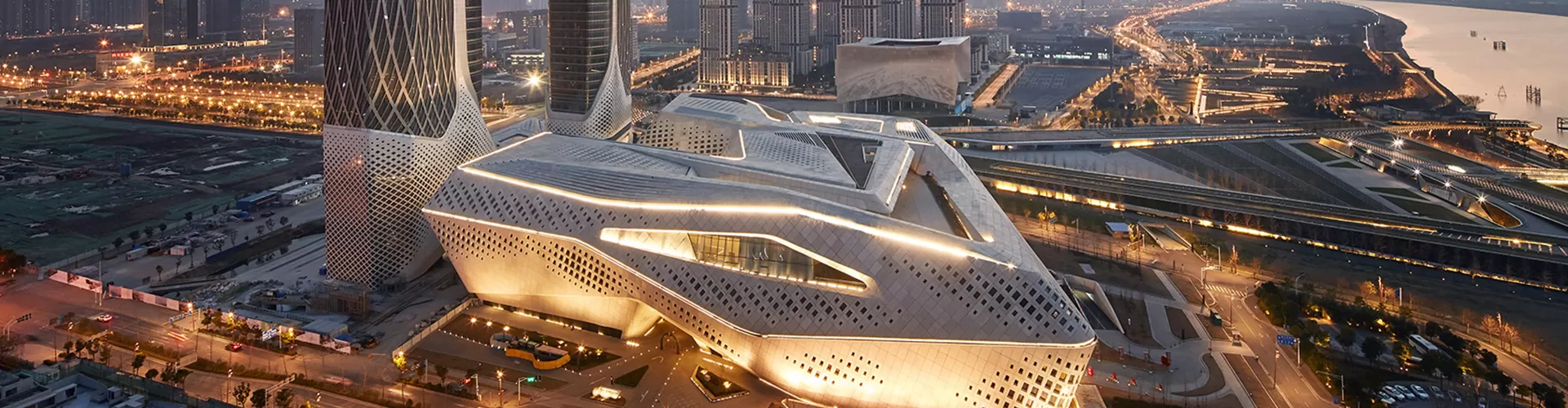
Glass Fiber Reinforced Concrete (GFRC) is becoming increasingly popular in construction due to its durability and design flexibility. However, potential buyers need a thorough cost analysis of GFRC production to make informed decisions. This article will explore various factors affecting the cost of GFRC, including material expenses, labor costs, and production techniques. By understanding these elements, businesses can better strategize their purchasing and production processes.
1. Key Factors Influencing GFRC Production Costs
1.1 Raw Material Costs
Raw materials are critical in determining the price of GFRC. The primary constituents include:
Cement
Glass fibers
Water
Additives
| Material | Cost per Ton (USD) |
|---|
| Cement | 100 |
| Glass Fibers | 1500 |
| Water | 0.01 |
| Additives | 300 |
1.2 Labor Costs
Labor expenses vary by region and workforce skills. Companies need to assess:
Hourly wage rates
Training costs
Overtime expenses
As staff efficiency increases, labor costs can decrease, impacting overall GFRC prices.
1.3 Equipment and Technology Costs
Investments in modern production technology can significantly affect production efficiency:
While initial costs may be high, modern technology can lead to cost savings in the long run.
2. Production Process Breakdown
2.1 Step-by-Step GFRC Production Process
The GFRC production process consists of several key stages:
Material Preparation
Mixing
Molding
Curing
Finishing
Each step requires careful attention to detail to maintain quality and optimize costs.
2.2 Flow Chart of the GFRC Production Process
Below is a simplified flow chart presenting the GFRC production process:

3. Cost Comparison: GFRC vs. Other Materials
To better understand the price competitiveness of GFRC, here’s a comparative analysis with other building materials:
| Material | Cost per Square Foot (USD) | Durability Rating |
|---|
| GFRC | 10 | High |
| Traditional Concrete | 8 | Medium |
| Wood | 12 | Low |
4. Regional Cost Variations
4.1 Global Manufacturing Cost Variances
Production costs of GFRC show significant regional variances. Key aspects to consider are:
Local labor rates
Material availability
Transport costs
4.2 Case Study: Cost Analysis by Region
A comparative case study from different regions provides insight into how location affects production costs. Consider Northeast vs. Southeast Asia:
| Region | Average Production Cost (USD) |
|---|
| Northeast Asia | 12,000 |
| Southeast Asia | 8,500 |
5. Strategies for Cost Reduction in GFRC Production
5.1 Bulk Purchasing of Materials
Purchasing materials in bulk can yield cost advantages and improve profitability.
5.2 Process Optimization
Streamlining the production process through Lean Manufacturing principles can enhance efficiency.
5.3 Investing in Training
Investing in employee skill development can lead to better production practices and reduced defects.
6. Conclusion
A comprehensive cost analysis of GFRC production reveals essential insights for manufacturers and suppliers. Understanding raw material, labor, and equipment costs, along with strategies for reduction, can enhance decision-making processes. As a leading GFRC supplier, Jushui is committed to providing high-quality products that meet diverse customer needs while maintaining a competitive cost structure.