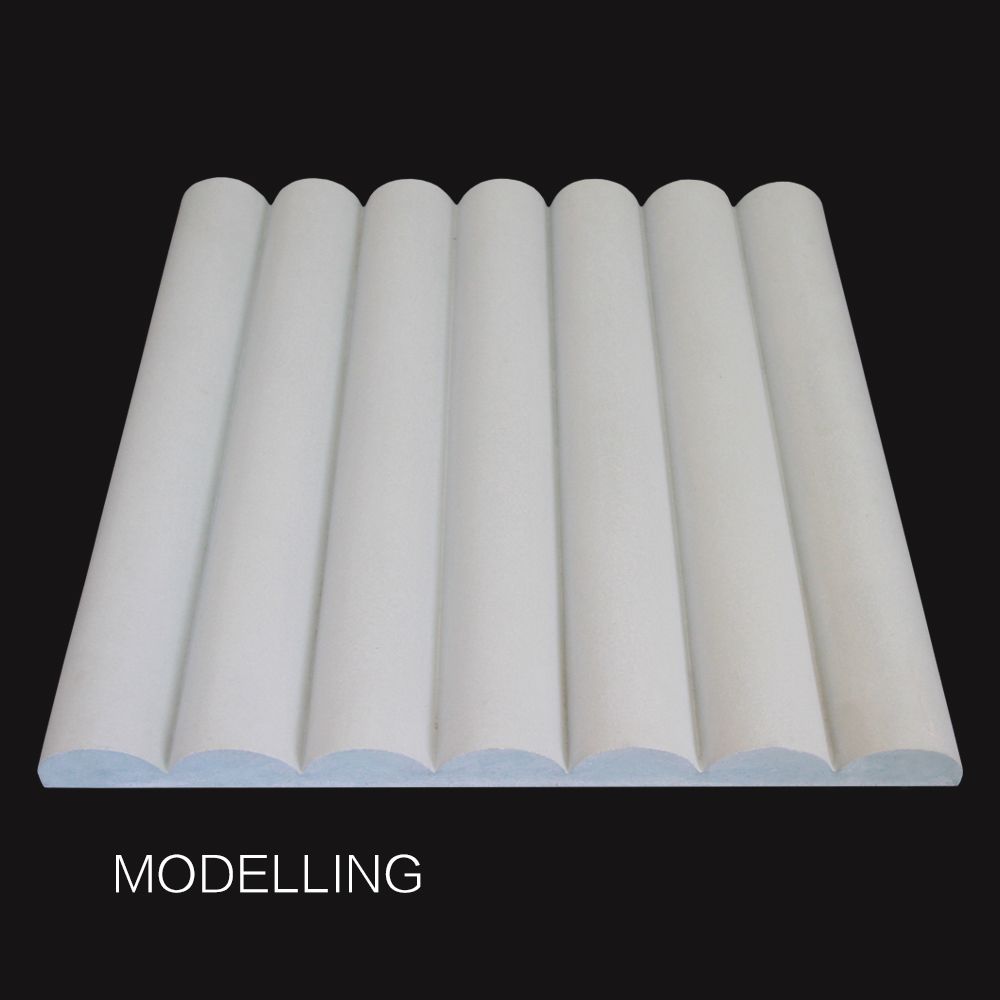
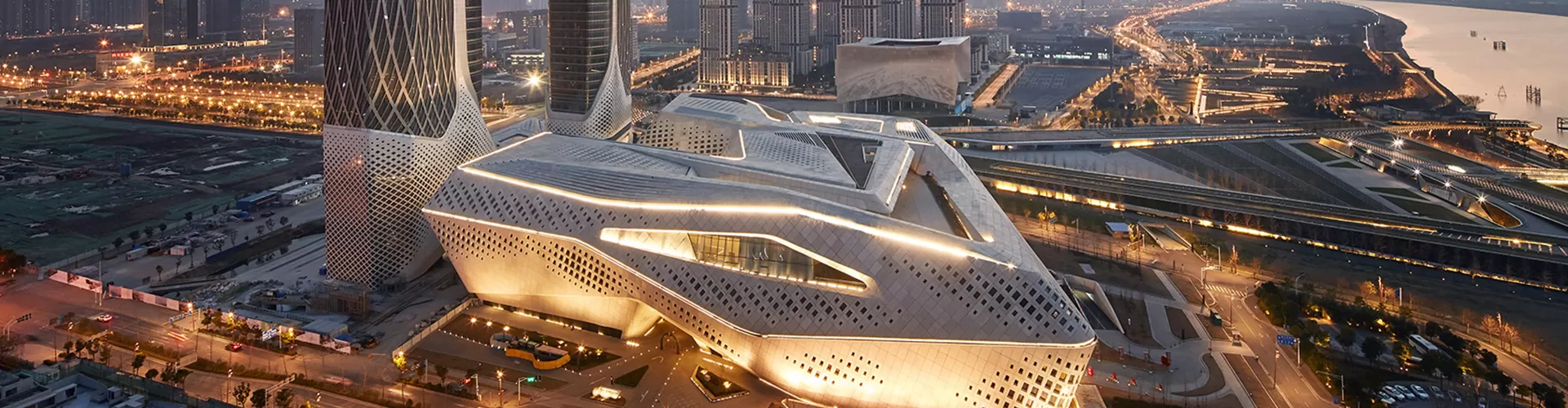
The world of construction is rapidly evolving, and digital fabrication technologies have become crucial for manufacturers specializing in Glass Fiber Reinforced Concrete (GFRC) components. These innovative techniques address key pain points such as design flexibility, material efficiency, and time savings. As GFRC Manufacturers, understanding these technologies not only helps improve production processes but also meets the increasing demands of global buyers and distributors. This article explores the various digital fabrication technologies and their implications on GFRC components.
1. Understanding Digital Fabrication Technologies
Digital fabrication refers to the use of computer-controlled processes to produce components from a digital model. This approach allows GFRC manufacturers to enhance precision, reduce waste, and streamline production. Key technologies include:
1.1 3D Printing
3D printing has revolutionized the creation of complex shapes and structures in GFRC production. By using additive manufacturing techniques, production can achieve remarkable design freedom, from intricate patterns to custom forms.
1.2 CNC Machining
CNC (Computer Numerical Control) machining involves the automated control of machine tools. This technology allows GFRC manufacturers to achieve high levels of accuracy in cutting and shaping materials, resulting in superior product quality.
1.3 Robotic Fabrication
Utilizing robots in fabrication processes enhances flexibility and efficiency. Robots can work continuously and with high precision, making them an ideal choice for repetitive tasks in GFRC production.
2. Benefits of Digital Fabrication for GFRC Components
Embracing digital fabrication technologies offers a multitude of benefits for GFRC manufacturers, including:
2.1 Enhanced Design Opportunities
Digital fabrication enables manufacturers to create unique and customized designs that would be difficult or impossible with traditional methods.
2.2 Cost Efficiency
By reducing material waste and optimizing production cycles, digital fabrication significantly lowers manufacturing costs for GFRC components.
2.3 Increased Speed to Market
Digital technologies enable faster prototyping and production times, allowing companies to respond quickly to market demands and trends.
3. Comparison of Digital Fabrication Techniques for GFRC
| Technique |
Advantages |
Limitations |
| 3D Printing |
High design complexity, minimal waste |
Slower production speed for large volumes |
| CNC Machining |
High precision and repeatability |
Initial equipment cost can be high |
| Robotic Fabrication |
Versatile and efficient for repetitive tasks |
Programming and setup can be complex |
4. The Step-by-Step Digital Fabrication Process for GFRC
The digital fabrication process for GFRC components can be broken down into the following steps:
- Step 1: Design Creation – Develop a detailed digital model using CAD software.
- Step 2: Material Selection – Choose high-quality materials suitable for GFRC applications.
- Step 3: Fabrication Setup – Prepare machines or printers for the production process.
- Step 4: Production – Execute the fabricating process using the chosen technology.
- Step 5: Quality Control – Inspect finished components for accuracy and quality.
- Step 6: Final Delivery – Package and deliver the components to clients or distributors.
5. Future Trends in Digital Fabrication for GFRC
Looking ahead, several trends are shaping the digital fabrication landscape for GFRC components:
5.1 Eco-Friendly Materials
With a growing emphasis on sustainability, manufacturers may start incorporating eco-friendly materials in GFRC production to reduce the environmental impact.
5.2 Integration with IoT
The integration of Internet of Things (IoT) technology could optimize production by enabling real-time monitoring and automation in GFRC manufacturing processes.
5.3 Advanced Robotics
Continued advancements in robotics will lead to more efficient and adaptable manufacturing processes, driving down costs while increasing production capabilities.
Conclusion
Digital fabrication technologies are transforming the landscape of GFRC component manufacturing. By leveraging techniques like 3D printing, CNC machining, and robotic fabrication, manufacturers can enhance design flexibility, reduce costs, and speed up production times. The ongoing evolution of these technologies promises greater efficiencies and opportunities in the global construction market. Embracing these advancements is essential for GFRC manufacturers looking to stay competitive and meet the needs of overseas buyers and distributors.