Fire Resistance Performance of GFRC Systems

May 21

Introduction

The fire resistance performance of GFRC systems is a critical concern for architects and builders. Glass Fiber Reinforced Concrete (GFRC) offers many benefits. However, its fire performance must be properly understood. Understanding how different materials react under heat is essential for safety. This article explores the fire resistance of GFRC, its applications, and relevant data. It aims to address common questions about GFRC and its effectiveness in fire conditions. 
Summary Answer

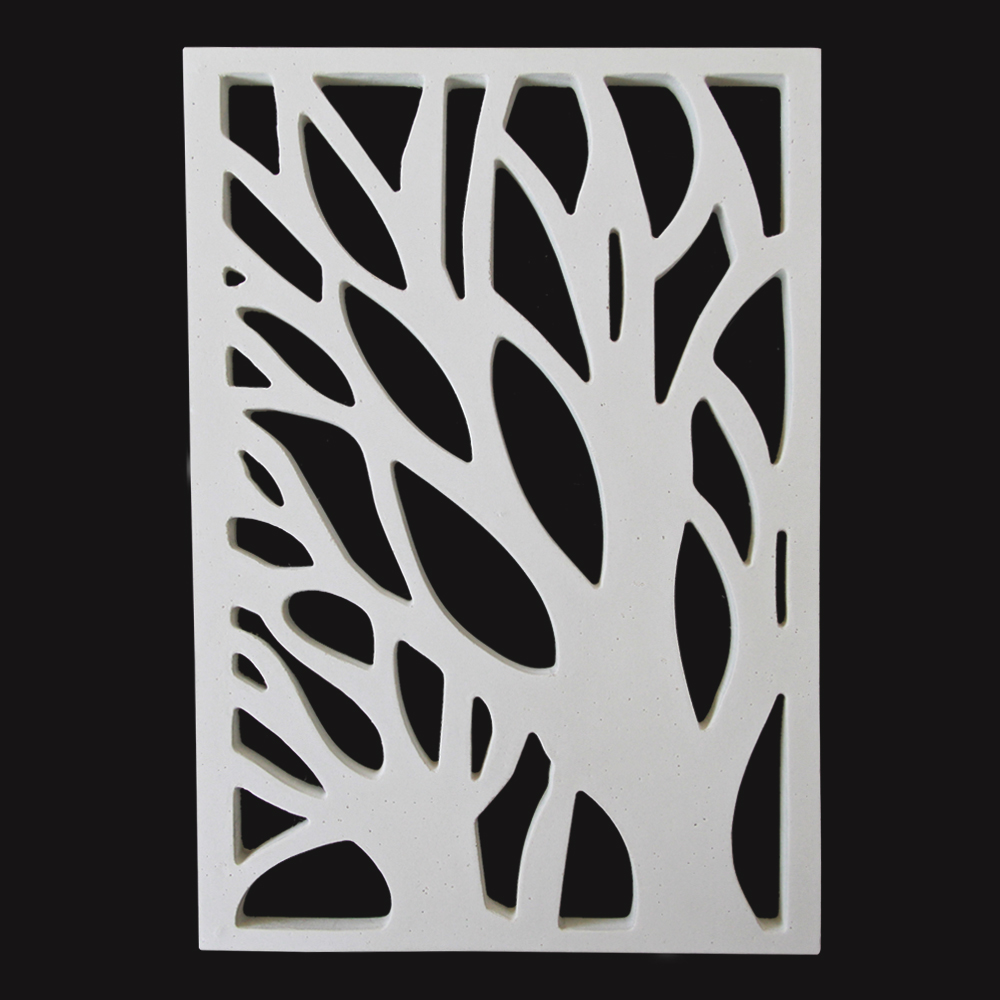
GFRC systems have excellent fire-resistant properties, often meeting or exceeding building code standards in fire performance. These systems can withstand high temperatures and slow down the spread of flames. They are suitable for various construction applications, especially in areas with strict fire safety regulations.

1. Benefits of GFRC Fire Resistance

1.1 Durable Material

GFRC is known for its long-lasting strength. It remains stable under high heat, making it a reliable choice for fire safety.

1.2 Low Combustibility

This material does not burn easily. It helps to slow down fire spread, protecting both the structure and its occupants.

2. Compliance with Building Codes

2.1 Fire Safety Standards

Many building codes require specific fire resistance ratings. GFRC often meets these requirements, ensuring buildings are safe. It usually has a fire rating of up to 2 hours.

2.2 Testing Methods

Fire testing for GFRC involves placing samples in severe heat conditions. These tests help confirm its fire-resistant capabilities and compliance with safety standards.

3. Applications of GFRC in Fire Safety

3.1 High-Rise Buildings

GFRC systems are frequently used in skyscrapers. Their fire-resistant properties protect against potential fire hazards at great heights.

3.2 Interior Design Elements

Interior fire barriers made from GFRC enhance safety. They are often used in theaters, hotels, and public buildings.

4. Comparison of GFRC with Other Materials

MaterialFire Resistance RatingDurability
GFRCUp to 2 hoursHigh
Traditional Concrete1-2 hoursMedium
WoodLess than 30 minutesLow

Conclusion

In summary, the fire resistance performance of GFRC systems is exceptional. They provide safety and durability, making them a popular choice in modern construction. Understanding these properties helps architects and builders create safer environments. Investing in GFRC not only meets safety standards but also enhances the overall integrity of buildings.

FAQ

What is GFRC?

GFRC stands for Glass Fiber Reinforced Concrete, a strong material used in construction.

How fire-resistant is GFRC?

GFRC typically has a fire resistance rating of up to 2 hours.

Where can GFRC be used?

GFRC is commonly used in high-rise buildings and as interior design elements in public spaces.

Does GFRC require special maintenance?

No, GFRC requires minimal maintenance while offering excellent long-term performance.

Can GFRC undergo fire testing?

Yes, GFRC can be tested under extreme heat conditions to confirm its fire safety properties.

Is GFRC environmentally friendly?

GFRC can be produced with sustainable materials, making it a more environmentally friendly option compared to traditional concrete.

GET IN TOUCH WITH US

As a GFRC professional manufacturing and construction enterprise, Jushui has always adhered to strict scientific management. From project initiation to production organization preparation, from supplier management to refined production, from process monitoring to final inspection, from product delivery to construction organization planning, from on-site installation to final acceptance, accurate planning and strict execution are emphasized everywhere. Exquisite craftsmanship and rigorous attitude run through the entire process of production and construction.

  • Afghanistan
  • Albania
  • Algeria
  • American Samoa
  • Andorra
  • Angola
  • Anguilla
  • Antarctica
  • Antigua and Barbuda
  • Argentina
  • Armenia
  • Aruba
  • Australia
  • Austria
  • Azerbaijan
  • Bahamas
  • Bahrain
  • Bangladesh
  • Barbados
  • Belarus
  • Belgium
  • Belize
  • Benin
  • Bermuda
  • Bhutan
  • Bolivia
  • Bosnia and Herzegovina
  • Botswana
  • Bouvet Island
  • Brazil
  • British Indian Ocean Territory
  • Brunei Darussalam
  • Bulgaria
  • Burkina Faso
  • Burundi
  • Cambodia
  • Cameroon
  • Canada
  • Cape Verde
  • Cayman Islands
  • Central African Republic
  • Chad
  • Chile
  • China
  • Christmas Island
  • Cocos (Keeling) Islands
  • Colombia
  • Comoros
  • Congo
  • Cook Islands
  • Costa Rica
  • Cote D'Ivoire
  • Croatia
  • Cuba
  • Cyprus
  • Czech Republic
  • Denmark
  • Djibouti
  • Dominica
  • East Timor
  • Ecuador
  • Egypt
  • El Salvador
  • Equatorial Guinea
  • Eritrea
  • Estonia
  • Ethiopia
  • Falkland Islands (Malvinas)
  • Faroe Islands
  • Fiji
  • Finland
  • France, Metropolitan
  • French Guiana
  • French Polynesia
  • Gabon
  • Gambia
  • Georgia
  • Germany
  • Ghana
  • Gibraltar
  • Greece
  • Greenland
  • Grenada
  • Guadeloupe
  • Guam
  • Guatemala
  • Guinea
  • Guinea-Bissau
  • Guyana
  • Haiti
  • Honduras
  • Hong Kong,China
  • Hungary
  • Iceland
  • India
  • Indonesia
  • Iran (Islamic Republic of)
  • Iraq
  • Ireland
  • Israel
  • Italy
  • Jamaica
  • Japan
  • Jordan
  • Kazakhstan
  • Kenya
  • Kiribati
  • North Korea
  • South Korea
  • Kuwait
  • Kyrgyzstan
  • Lao People's Democratic Republic
  • Latvia
  • Lebanon
  • Lesotho
  • Liberia
  • Libyan Arab Jamahiriya
  • Liechtenstein
  • Lithuania
  • Luxembourg
  • Macau
  • Madagascar
  • Malawi
  • Malaysia
  • Maldives
  • Mali
  • Malta
  • Marshall Islands
  • Martinique
  • Mauritania
  • Mauritius
  • Mayotte
  • Mexico
  • Micronesia
  • Moldova
  • Monaco
  • Mongolia
  • Montserrat
  • Morocco
  • Mozambique
  • Myanmar
  • Namibia
  • Nauru
  • Nepal
  • Netherlands
  • New Caledonia
  • New Zealand
  • Nicaragua
  • Niger
  • Nigeria
  • Niue
  • Norfolk Island
  • Northern Mariana Islands
  • Norway
  • Oman
  • Pakistan
  • Palau
  • Panama
  • Papua New Guinea
  • Paraguay
  • Peru
  • Philippines
  • Pitcairn
  • Poland
  • Portugal
  • Puerto Rico
  • Qatar
  • Reunion
  • Romania
  • Russian Federation
  • Rwanda
  • Saint Kitts and Nevis
  • Saint Lucia
  • Saint Vincent and the Grenadines
  • Samoa
  • San Marino
  • Saudi Arabia
  • Senegal
  • Seychelles
  • Sierra Leone
  • Singapore
  • Slovak Republic
  • Slovenia
  • Solomon Islands
  • Somalia
  • South Africa
  • Spain
  • Sri Lanka
  • St. Helena
  • Sudan
  • Suriname
  • Swaziland
  • Sweden
  • Switzerland
  • Syrian Arab Republic
  • Taiwan, China
  • Tajikistan
  • Tanzania
  • Thailand
  • Togo
  • Tokelau
  • Tonga
  • Trinidad and Tobago
  • Tunisia
  • Turkey
  • Turkmenistan
  • Turks and Caicos Islands
  • Tuvalu
  • Uganda
  • Ukraine
  • United Arab Emirates
  • United Kingdom
  • United States
  • Uruguay
  • Uzbekistan
  • Vanuatu
  • Vatican City State (Holy See)
  • Venezuela
  • Viet Nam
  • Virgin Islands (U.S.)
  • Wallis and Futuna Islands
  • Western Sahara
  • Yemen
  • Zambia
  • Zimbabwe
  • Montenegro
  • Serbia
  • Palestine
  • South Sudan
  • Jersey

IS THERE ANYTHING WE CAN HELP YOU WITH ?

The company is committed to becoming a domestic manufacturer of high-quality products. Resolutely prioritize quality, use new technologies and products, and keep up with market trends. Our company's projects cover all continents around the world, and through the output of high-quality projects, we achieve brand influence and brand value
WeChat
WeChat