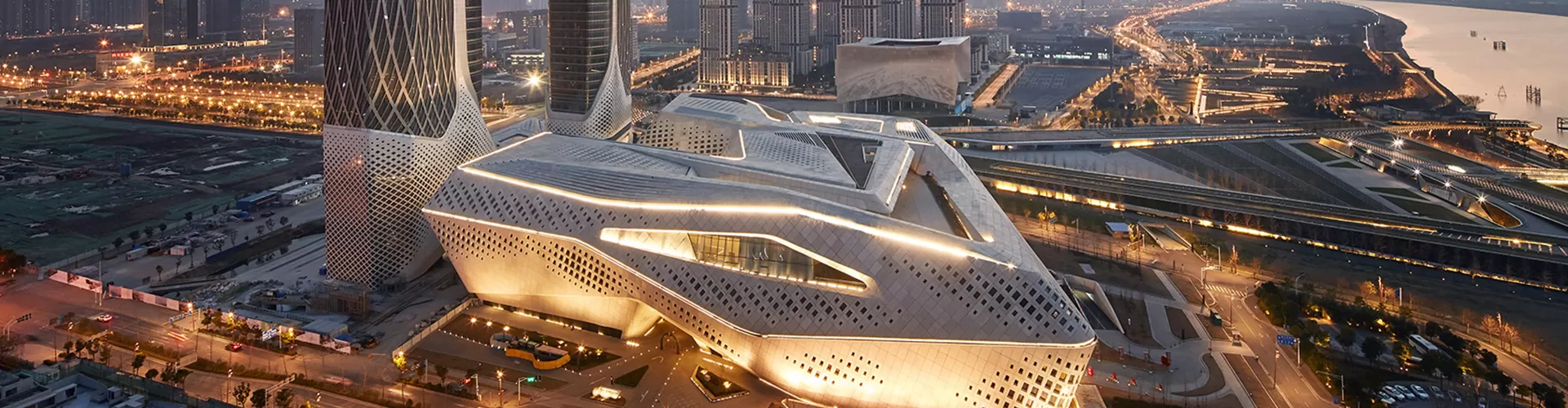
Glass Fiber Reinforced Concrete (GFRC) panels have gained significant attention in construction due to their remarkable flexural strength and durability. These panels are not only lightweight but also offer excellent performance under bending loads, making them ideal for various structural applications. This article delves into the flexural performance of GFRC panels, addressing common pain points such as load-bearing capacity, durability under environmental stressors, and cost-effectiveness in structural use.
1. Importance of Flexural Performance in GFRC Panels
Flexural performance is critical for the structural integrity of GFRC panels. Here are the main sub-arguments:
1.1. Definition of Flexural Strength
Flexural strength refers to the ability of a material to resist deformation under load. This property is vital in structures where bending forces are prevalent.
1.2. Applications of GFRC Panels
GFRC panels are used in various applications, including cladding, facades, and architectural elements, due to their high flexural strength and aesthetic versatility. They are popular in modern architecture.
1.3. Comparison with Traditional Materials
GFRC panels can outperform traditional materials like concrete and brick when it comes to weight and structural efficiency. A comparison of flexural strength (see Table 1) illustrates this advantage.
| Material | Flexural Strength (MPa) | Weight (kg/m2) |
|---|
| GFRC | 30-70 | 40-60 |
| Concrete | 10-20 | 150-200 |
| Brick | 5-15 | 120-150 |
2. Understanding the Factors Affecting Flexural Performance
Numerous factors influence the flexural performance of GFRC panels. Below are the critical considerations:
2.1. Fiber Content
The amount and type of glass fibers used in GFRC significantly impact its flexural strength. Increasing fiber content usually results in enhanced performance.
2.2. Matrix Composition
The composition of the concrete matrix, including additives and chemical admixtures, can improve the overall durability and flexibility of GFRC panels.
2.3. Manufacturing Process
Innovative manufacturing techniques, such as spray-up or premix methods, affect the quality and performance of GFRC products.
3. Testing and Standards for Flexural Performance
Flexible performance is rigorously tested under various standards. Key testing parameters include:
3.1. ASTM Standards
GFRC panels are tested using ASTM standards like ASTM C293, outlining methods for determining flexural strength and modulus.
3.2. Load Testing
Full-scale load tests ensure that panels meet specific bending and deflection requirements, which are vital for rapid construction projects.
4. Case Studies: Successful Applications of GFRC Panels
Real-world applications demonstrate the benefits of GFRC panels:
4.1. Urban Facades
Several urban developments utilized GFRC panels for facades, showcasing their aesthetic appeal and structural capabilities.
4.2. Commercial Buildings
Commercial structures utilizing GFRC benefit significantly from the material\'s reduced weight and maintenance costs, with case studies highlighting long-term savings.
5. Conclusion: The Future of GFRC Panels in Structural Applications
The flexural performance of GFRC panels positions them as a robust solution for modern construction challenges. As technology evolves, we anticipate improvements in material composition and manufacturing processes, further enhancing the flexural strength and durability of GFRC panels. This positions Jushui as a leader in the GFRC industry, providing high-quality, reliable materials for global markets.
6. FAQs about GFRC Panels and Flexural Performance
6.1. What is the lifecycle of GFRC panels?
GFRC panels are designed to last many years with minimal maintenance, making them a cost-effective choice.
6.2. Can GFRC panels withstand extreme weather?
Yes, GFRC panels exhibit excellent resistance to environmental stressors due to their superior properties.
6.3. How do GFRC panels compare in sustainability?
GFRC panels are considered sustainable due to lower energy consumption in production and reduced waste during installation.
For a more in-depth understanding of the problems and solutions related to the flexural performance of GFRC panels, the use of structured content and data comparisons is essential. By utilizing these innovative materials like GFRC, the construction industry can pave the way for more sustainable and efficient building designs.