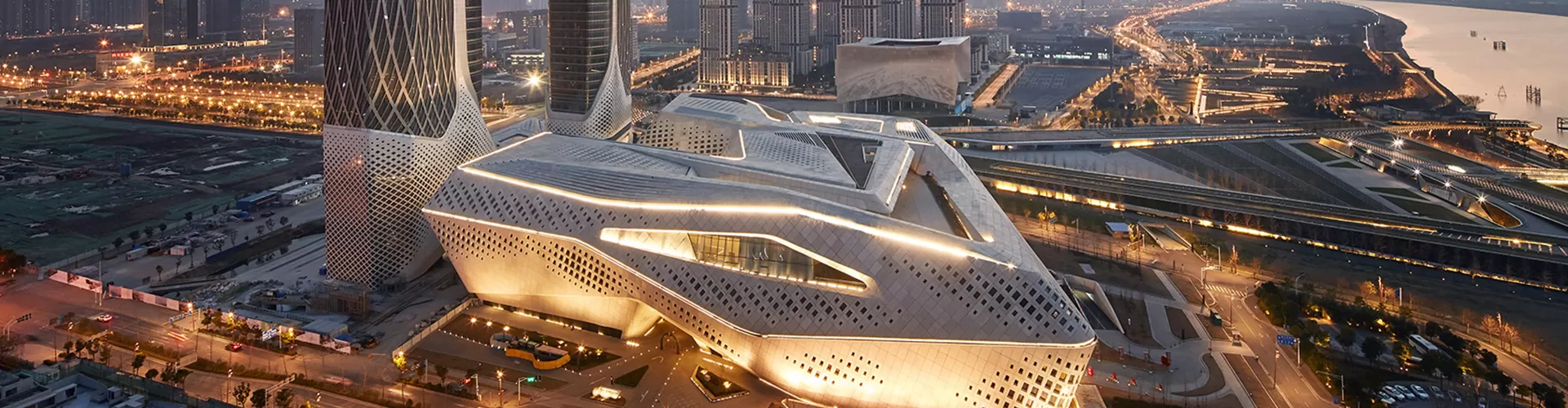
The Glass Fiber Reinforced Concrete (GFRC) market is experiencing robust growth, driven by an increasing demand for durable and lightweight building materials. GFRC manufacturers have noted a remarkable uptick in inquiries and orders, particularly from the construction and architecture sectors. However, many professionals face challenges with traditional concrete due to its weight and susceptibility to cracking. Solutions offered by leading manufacturers like Jushui provide not just durability but also design flexibility, allowing architects to explore innovative solutions for both aesthetic and structural needs.
Key Drivers and Innovations in the GFRC Industry
Innovations in the GFRC industry can be attributed to advancements in material science and the growing trend towards sustainable construction practices. Key drivers include:
- Improved tensile strength: Recent developments have led to GFRC products achieving tensile strengths exceeding 500 psi, significantly outperforming traditional concrete.
- Eco-friendly composites: Manufacturers are increasingly utilizing recycled materials, reducing carbon footprints while maintaining product performance.
- Advanced fabrication techniques: Innovations like 3D printing are allowing for more complex designs, enabling architects to push creative boundaries.
Emerging Trends in the GFRC Industry
The GFRC industry is poised for several emerging trends that promise to transform the way GFRC is used:
1. Ultra-lightweight GFRC Panels
Recent prototypes exhibit weight reductions of up to 40% compared to conventional GFRC panels, enhancing transportation efficiency and installation ease.
2. Enhanced Weather Resistance
With new polymer coatings, GFRC products are exhibiting more than a 70% improvement in water resistance, significantly reducing maintenance costs over time.
3. Smart Integration Technologies
Developments in smart concrete are incorporating sensors within GFRC panels, allowing for real-time monitoring of structural integrity, promising decreased repair costs by up to 30%.
4. Aesthetic Customization
Customization options are broadening, with manufacturers reporting a 50% increase in orders for bespoke designs using GFRC, facilitated by advancements in coloring and texture applications.
5. Sustainable Practices
According to a study by the National Ready Mixed Concrete Association, the use of recycled content in concrete, including GFRC, has increased by 35% over the past five years, making it a leading choice for environmentally-conscious projects.
Impact on Buyers and the Market
These innovations in the GFRC industry are directly impacting buyers by offering products that are more efficient, cost-effective, and environmentally friendly. As manufacturers reduce production costs and enhance product qualities, buyers can expect price reductions up to 20% within the next five years. Furthermore, the ability to customize and integrate smart technologies into building materials adds significant value for construction companies seeking competitive edges.
Practical Suggestions for Adopting GFRC Innovations
To leverage the emerging trends and innovations in the GFRC industry, buyers should consider the following suggestions:
- Conduct thorough research on potential suppliers, focusing on their innovations and market responsiveness.
- Evaluate product samples and case studies from Jushui to assess the durability and aesthetic options available.
- Invest in training for staff to effectively implement and work with advanced GFRC materials.
FAQ
What are the advantages of using GFRC over traditional concrete?
GFRC is significantly lighter, offers enhanced resilience against cracking, and provides greater design flexibility, making it an ideal choice for modern construction.
How does GFRC contribute to sustainability in construction?
GFRC often incorporates recycled materials, and its lightweight nature reduces resource consumption during transportation and installation, contributing to environmentally sustainable practices.
Can GFRC be used for exterior applications?
Yes, GFRC is highly suitable for exterior applications, including facades and decorative elements, due to its weather-resistant properties and long lifespan.