Introduction
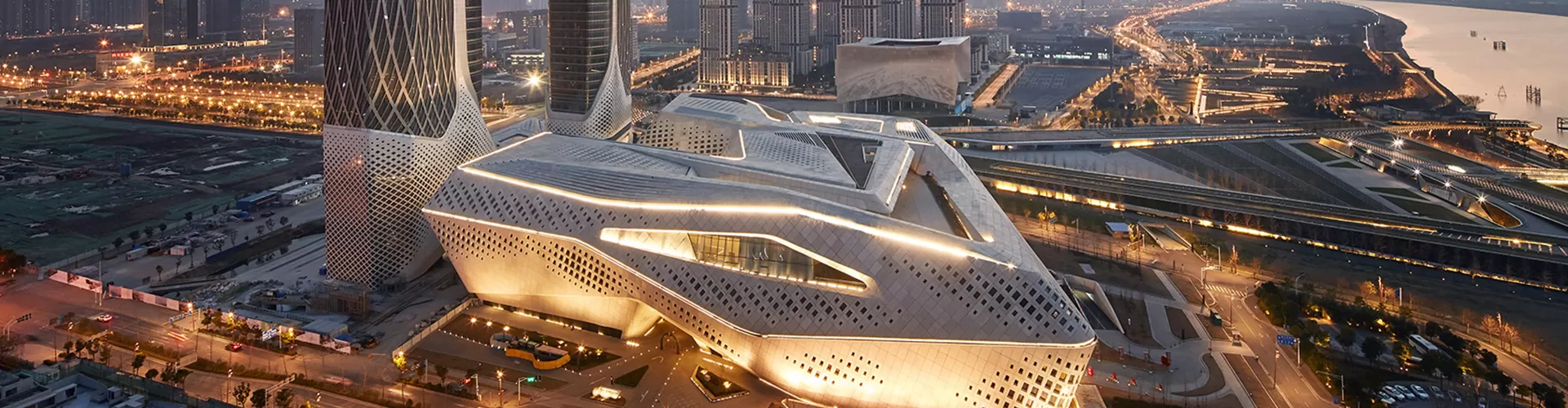
GFRC, or Glass Fiber Reinforced Concrete, is a durable material used in architectural facades. This innovative solution addresses several issues faced by builders and designers. For instance, traditional materials can be heavy and difficult to work with. GFRC is lightweight yet strong, making it ideal for stylish and modern buildings. Moreover, it can be molded into various shapes and finishes, allowing for creative designs. With its increasing popularity among architects, GFRC is becoming essential for contemporary architecture.
Summary Answer
GFRC is widely used in architectural facades due to its strength, flexibility, and aesthetic appeal. It solves many design challenges while being cost-effective. Combining its lightweight nature with the ability to replicate different textures makes GFRC a top choice for modern buildings.
1. Benefits of GFRC
1.1 Strength and Durability
GFRC offers impressive strength and resistance to weather conditions. It maintains its integrity over time, making it suitable for various climates.
1.2 Lightweight Design
Due to its composite materials, GFRC is much lighter than traditional concrete. This characteristic reduces structural load, allowing for easier installation.
1.3 Versatile Aesthetics
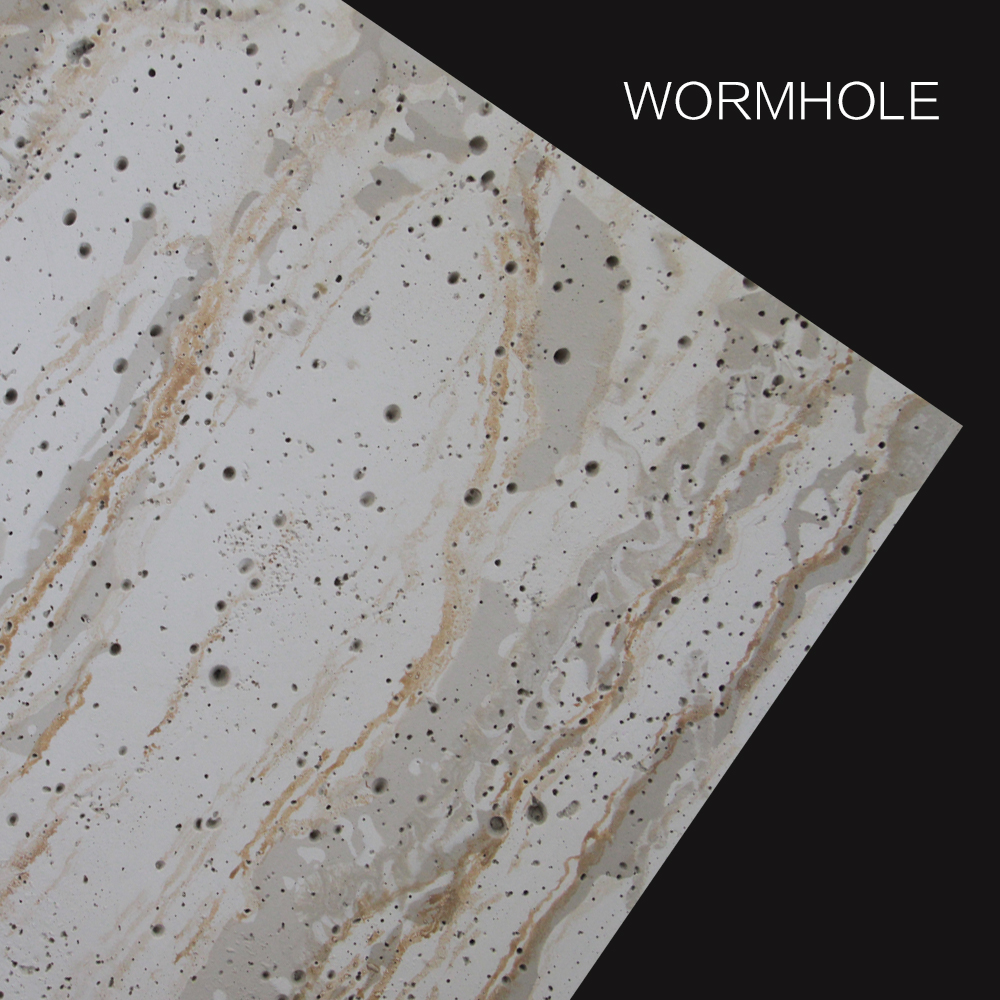
Architects can mold GFRC into intricate designs. This flexibility allows for different textures, finishes, and colors, enhancing a building\'s visual appeal.
2. Applications in the Architectural Sector
2.1 Facade Cladding
GFRC is commonly used for facade cladding in commercial and residential buildings. It provides both protection and an attractive appearance.
2.2 Architectural Features
From columns to decorative panels, GFRC is ideal for architectural features. Its lightweight nature allows for bold designs that would be impossible with traditional materials.
2.3 Renovations and Restorations
GFRC can be used to restore historic buildings. It replicates original details while offering modern durability and weather resistance.
3. Cost-Effectiveness
3.1 Lower Installation Costs
Using GFRC can lower labor and material costs due to its weight and ease of handling. This translates to savings for construction projects.
3.2 Reduced Maintenance
GFRC requires less maintenance than traditional concrete. Its durable surface resists damage, reducing the likelihood of costly repairs.
3.3 Long-Term Savings
The longevity of GFRC means it can save money over time. Fewer repairs and replacements make it an economical choice for builders and owners.
Conclusion
In conclusion, GFRC applications in architectural facades stand out due to their numerous benefits. The material combines strength, lightweight features, and versatile aesthetics. Architects and builders appreciate GFRC for its ability to tackle design challenges effectively while being cost-efficient. As architectural trends continue to evolve, GFRC will remain a key component in modern architecture.
FAQ
Q: What is GFRC?
A: GFRC stands for Glass Fiber Reinforced Concrete, a composite material used in building facades.
Q: Why is GFRC preferred over traditional concrete?
A: GFRC is lighter, more flexible, and allows for greater design creativity than traditional concrete.
Q: How does GFRC perform in various weather conditions?
A: GFRC is highly resistant to weather fluctuations, making it suitable for diverse climates.
Q: Can GFRC replicate traditional stone or masonry finishes?
A: Yes, GFRC can be molded to mimic various textures, including stone and brick.
Q: Is GFRC cost-effective?
A: Yes, GFRC often has lower installation and maintenance costs, providing long-term savings.
Q: How is GFRC installed?
A: GFRC panels are typically attached to a structural frame, making the installation process straightforward.