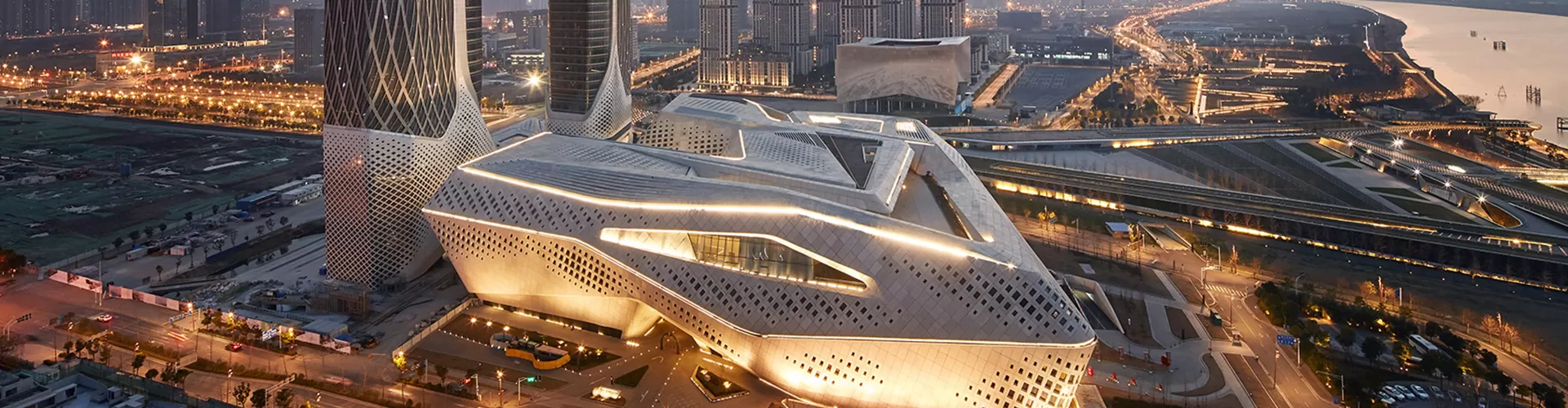
Glass Fiber Reinforced Concrete (GFRC) is revolutionizing the commercial construction industry with its myriad of applications. This innovative material enhances aesthetic value, ensures durability, and offers high resistance to various environmental challenges. By integrating GFRC in commercial construction projects, architects and builders can address challenges such as weight limitations, design versatility, and sustainability. This article explores how GFRC meets these needs in multifaceted commercial settings.
1. Key Applications of GFRC in Commercial Construction
GFRC finds its utility in various commercial construction projects due to its lightweight nature and impressive strength. The following sections outline the primary applications:
1.1 Facades and Cladding Systems
GFRC is widely used in the design of facades and cladding due to its ability to mimic natural materials while being lighter and more durable. By using GFRC, project developers can achieve beautiful, intricate designs without overwhelming structural support systems.
1.2 Decorative Elements
GFRC allows for the creation of stunning decorative elements such as columns, cornices, and decorative panels. This versatility enhances the overall aesthetic of commercial buildings.
1.3 Architectural Panels
Architectural panels made of GFRC contribute to sound insulation, fire resistance, and weatherproofing, making them ideal for high-rise buildings and shopping centers.
1.4 Landscaping and Hardscaping
GFRC is used in outdoor amenities such as planters, benches, and water features, providing both functionality and style to commercial landscapes.
1.5 Signage and Displays
GFRC provides an effective medium for creating durable and visually appealing signage, ensuring that businesses make an impactful statement to potential customers.
2. Advantages of Utilizing GFRC in Commercial Construction
Choosing GFRC over traditional concrete offers several advantages that can benefit commercial construction projects:
2.1 Lightweight Properties
One of the most significant advantages of GFRC is its lightweight nature, which reduces the need for heavy structural support, leading to cost savings in foundations and framing.
2.2 Enhanced Durability
GFRC exhibits exceptional resistance to cracking, chipping, and environmental wear-and-tear, making it a preferred choice for long-lasting constructions.
2.3 Versatility in Design
The ability to create complex shapes and designs with GFRC allows architects freedom and flexibility in their projects, enhancing design creativity.
2.4 Sustainability and Eco-Friendliness
GFRC is made from sustainable materials, and its durability contributes to longer life cycles, reducing the need for frequent replacements and conserving resources.
2.5 Cost-Effectiveness
Despite a potentially higher initial cost, the long-term savings on maintenance and energy efficiency can make GFRC a more economical choice in the long run.
3. Comparison of GFRC with Traditional Materials
| Property |
GFRC |
Traditional Concrete |
| Weight |
Lightweight |
Heavy |
| Durability |
High |
Moderate |
| Design Flexibility |
High |
Low |
| Cost |
Higher initial cost but lower lifetime cost |
Lower initial cost but higher lifetime cost |
4. Case Studies: Successful GFRC Implementations
To visualize the impact of GFRC, let’s take a look at notable projects that employed GFRC.
4.1 The Iconic Retail Complex
This project utilized GFRC cladding for its sustainable design goals, reducing the building's overall weight while enhancing the aesthetic appeal.
4.2 A Modern Office Building
The incorporation of GFRC as architectural panels significantly improved thermal performance while allowing for a diverse range of architectural styles.
5. Implementation Process of GFRC in Construction Projects
Implementing GFRC requires careful planning and execution. Here’s a step-by-step flowchart detailing the process:
- Design Phase: Collaborate with architects to finalize GFRC specifications.
- Material Selection: Choose appropriate GFRC mixtures and additives.
- Manufacturing: Fabricate GFRC elements in controlled conditions.
- Quality Control: Conduct inspections and tests for durability and performance.
- Installation: Carefully assemble GFRC components per engineering standards.
- Final Review: Evaluate the finished project for structural integrity and aesthetic quality.
6. Future Trends in GFRC for Commercial Construction
Looking forward, the trend towards sustainable and efficient building practices will likely increase the adoption of GFRC in commercial construction. Expected developments include:
6.1 Innovation in Materials
Advancements in GFRC formulations will enhance properties such as thermal insulation and fire resistance.
6.2 Automation in Production
Utilizing automation in manufacturing GFRC will lead to increased efficiency and consistency across projects.
6.3 Expanded Applications
Future projects may explore even more diverse applications of GFRC in areas like modular construction and refurbishments.
In conclusion, GFRC has established itself as a transformative material in commercial construction projects, offering myriad benefits, including design versatility and durability. As the industry evolves, the demand for GFRC will continue to rise, paving the way for innovative applications and sustainable building solutions.