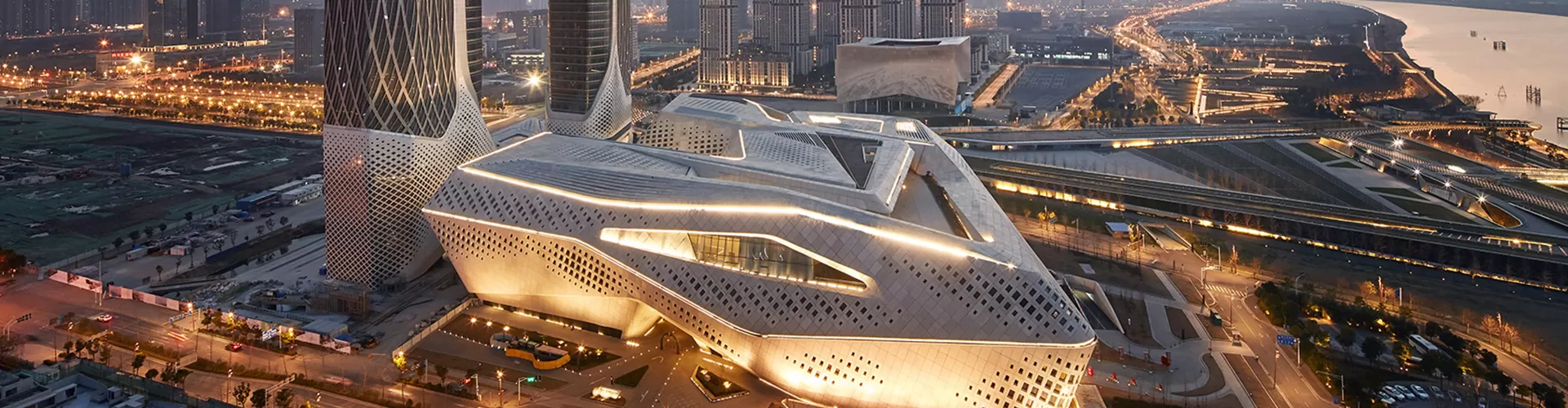
Glass Fiber Reinforced Concrete (GFRC) has emerged as a go-to material in modern construction, particularly for high-rise buildings. Its lightweight nature, coupled with exceptional strength and versatility, makes it ideal for various applications in towering structures. This comprehensive exploration highlights the primary applications of GFRC, addressing common pain points such as weight restrictions, sustainability, and design aesthetics.
1. Enhancing Aesthetic Appeal
1.1. Versatile Design Options
GFRC can be molded into various shapes and textures, allowing architects to create innovative designs, including intricate facades and decorative elements. This versatility helps overcome design limitations often faced with traditional concrete.
1.2. Color and Finish Variety
Available in a multitude of colors and finishes, GFRC enables high-rise buildings to stand out. It can mimic natural stone or create unique appearances that enhance the overall building aesthetics as well.
2. Structural Integrity and Lightweight Construction
2.1. Reducing Structural Loads
One of the notable advantages of GFRC is its lightweight nature. Weighing significantly less than traditional concrete, it helps in reducing the structural load without compromising on strength, making it suitable for high-rise applications.
2.2. Durability Under Extreme Conditions
GFRC is highly resistant to cracking and weathering. Studies indicate that it can withstand extreme weather conditions and last longer than traditional materials, which is critical for the longevity of high-rise buildings.
3. Sustainability and Energy Efficiency
3.1. Eco-Friendly Material Choices
GFRC contributes to sustainability in construction. It uses less energy during production compared to traditional concrete, resulting in a lower carbon footprint. Utilizing recycled materials in GFRC formulation further enhances its sustainability profile.
3.2. Energy Efficiency Enhancements
Buildings using GFRC can integrate insulation effectively, informing energy-efficient designs. This integration helps in reducing operational energy costs, which is particularly beneficial for high-rise facilities with extensive energy needs.
4. Cost-Effectiveness in Construction
4.1. Reduced Labor Costs
The lightweight nature of GFRC reduces transportation and installation labor, providing significant cost savings. Projects utilizing GFRC often experience faster completion times, resulting in lower overall expenditures.
4.2. Maintenance and Repair Cost Reductions
GFRC's durability means lower maintenance costs over a building's lifecycle, making it an economically sound investment for high-rise developers.
5. Safety and Fire Resistance
5.1. Non-Combustible Properties
GFRC is classified as a non-combustible material, providing an added layer of safety in high-rise construction. This feature is crucial for meeting safety standards and reducing fire hazards in office and residential buildings.
5.2. Weather Resistance
Its resistance to moisture and temperature fluctuations makes GFRC an ideal choice for high-rise structures subjected to varying climatic conditions, ensuring safety and structural integrity over time.
6. Applications of GFRC in High-Rise Structures
6.1. Facades and Cladding Systems
GFRC is extensively used in facade applications, offering both aesthetic appeal and protective functionalities that enhance the building's overall durability and visual attractiveness.
6.2. Architectural Elements
From balconies to cornices, GFRC serves a critical role in various architectural features, making it indispensable in high-rise construction.
| Application |
Benefits |
Examples |
| Facades |
Lightweight, diverse finishes |
Skyscraper cladding |
| Balconies |
Customizable, durable |
Residential towers |
| Wall Panels |
Fire-resistant, aesthetic integration |
Commercial buildings |
7. Future Trends in GFRC Usage
7.1. Innovations in Material Technology
Continued research and development in GFRC technology will likely yield even more advanced applications, ensuring the material remains a leader in high-rise construction.
7.2. Global Market Adoption
As sustainability becomes a focal point in construction, the global market for GFRC is projected to expand, driven by its environmental and performance advantages. Expect to see increased adoption across various countries.
In conclusion, GFRC serves as an invaluable resource in high-rise building applications, addressing critical issues like design flexibility, structural integrity, sustainability, and safety. Its diverse capabilities make it a preferred choice for architects and builders aiming to leverage innovative construction techniques while meeting evolving market demands.
For more information on GFRC solutions and applications in your projects, please visit 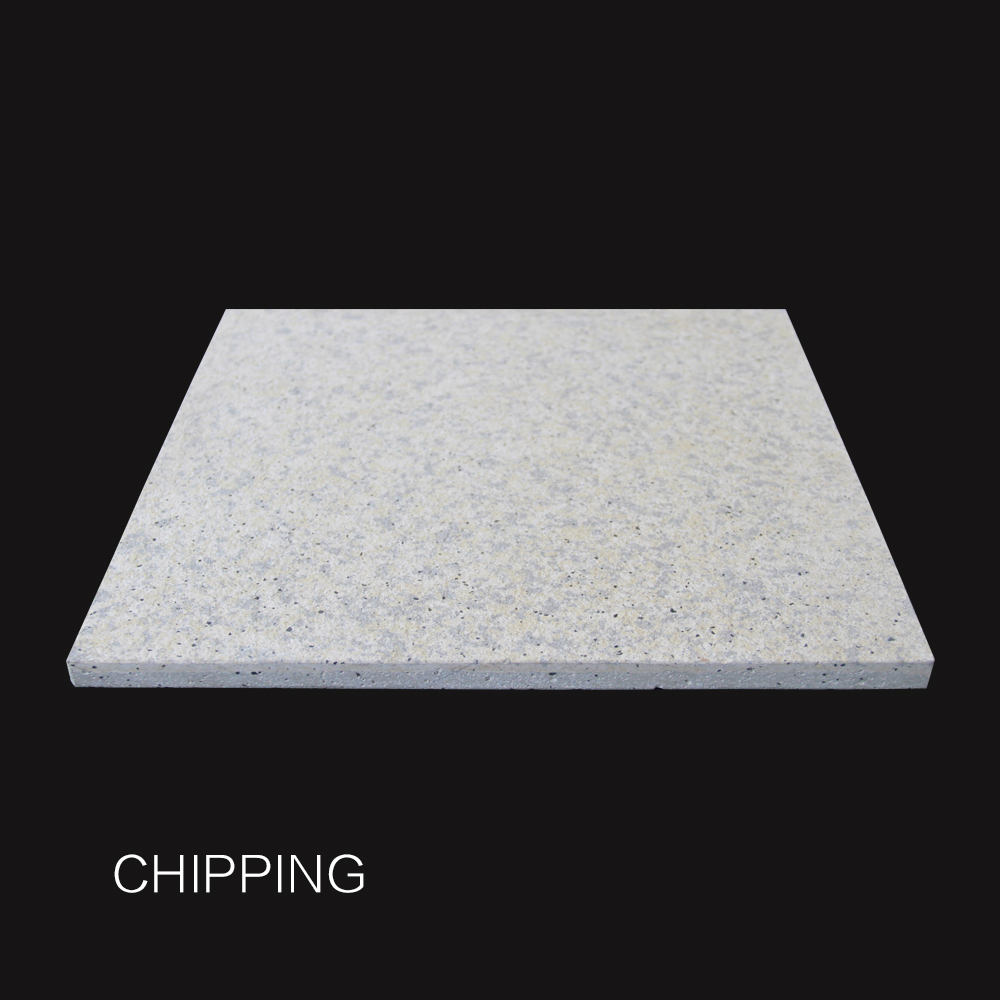 Jushui.