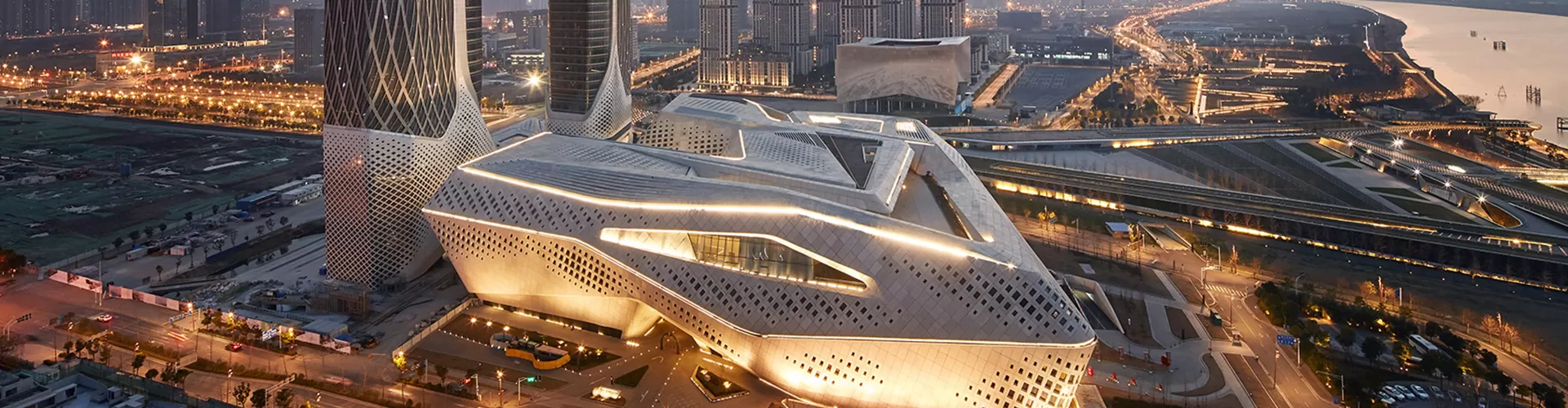
Glass Fiber Reinforced Concrete (GFRC) has emerged as a game-changer in the infrastructure sector. Its lightweight but robust structure addresses common pain points such as durability, aesthetics, and fire resistance. This article delves into various GFRC applications in infrastructure projects, highlighting its advantages and discussing the value it brings to modern construction.
1. Key Benefits of GFRC in Infrastructure
1.1. Superior Strength-to-Weight Ratio
GFRC is known for its impressive strength while being lighter than traditional concrete materials. This unique property allows for easier handling and reduced transport costs on construction sites.
1.2. Enhanced Durability and Longevity
Conventional concrete may suffer from cracking over time. GFRC is more resistant to environmental factors, ensuring longevity and reducing maintenance costs.
1.3. Aesthetic Versatility
GFRC can be molded into various shapes and sizes, offering endless possibilities in design. This ability allows for creative architectural features that appeal to modern tastes.
1.4. Fire Resistance
GFRC exceeds fire safety standards, making it an ideal choice for structures requiring high fire resistance, such as bridges and commercial buildings.
1.5. Sustainability
The manufacturing process of GFRC can often incorporate recycled materials, contributing to environmentally friendly construction practices. This aspect is increasingly important in today’s eco-conscious market.
2. GFRC Applications in Major Infrastructure Projects
2.1. Bridges
GFRC is used in bridge construction for both aesthetic and structural purposes. Its lightweight nature reduces the load on supporting elements.
2.2. Façades
Commercial buildings utilize GFRC in façades due to its attractive finishes and ability to withstand the elements.
2.3. Precast Panels
Many large-scale buildings now integrate GFRC precast panels that provide a robust exterior while speeding up construction timelines.
2.4. Decorative Elements
GFRC is widely used for decorative elements in urban settings, such as sculptures and facades, enhancing the visual appeal of public spaces.
2.5. Retaining Walls
Retaining walls made of GFRC can effectively manage soil movement and can be designed to blend into the landscape.
3. Comparison of GFRC with Traditional Concrete
| Feature |
GFRC |
Traditional Concrete |
| Weight |
Lightweight |
Heavy |
| Durability |
High resistance to cracking |
Medium resistance to cracking |
| Aesthetics |
Highly customizable |
Limited customization |
| Fire Resistance |
Excellent |
Varies |
| Repair Costs |
Lower |
Higher |
4. Implementation Process of GFRC in Infrastructure Projects
- Project Planning:
Identify project requirements and specifications for GFRC applications.
- Material Selection:
Select appropriate GFRC mix designs based on project needs.
- Design Phase:
Architects can create detailed designs utilizing GFRC's capabilities.
- Manufacturing:
GFRC elements are fabricated in a controlled environment for quality assurance.
- Transportation and Installation:
Transport the pre-manufactured elements to site and install per design specifications.
4.1. Example Flow Chart of GFRC Implementation
1. Project Planning → 2. Material Selection → 3. Design Phase → 4. Manufacturing → 5. Transportation and Installation
5. Real-Life Case Studies
5.1. Major Bridge Construction
A renowned bridge in California utilized GFRC to enhance its aesthetics while maintaining structural integrity during heavy storms.
5.2. Urban Façade Projects
In an urban revitalization project, GFRC was employed in the building façades, leading to a 30% faster completion time than traditional methods.
6. Challenges and Solutions in GFRC Implementation
6.1. Initial Cost Concerns
While upfront costs of GFRC may be higher than traditional materials, the long-term savings on maintenance and durability make it a cost-effective choice.
6.2. Knowledge Gaps
Education and training for engineers and builders about GFRC’s advantages can minimize implementation barriers.
Conclusion
GFRC has proven to be an innovative material that meets the evolving demands of infrastructure projects. Its diverse applications, combined with the benefits it offers, position it as a top choice among modern construction materials. As infrastructure evolves with technology and environmental considerations, GFRC stands at the forefront, ready to enhance durability and aesthetic appeal in various projects.