Introduction
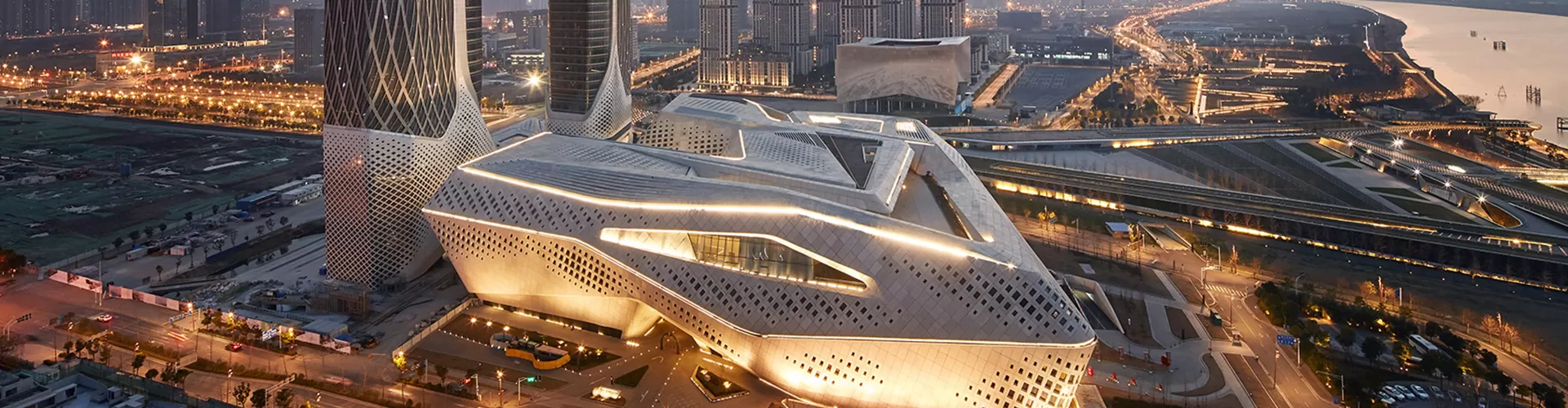
GFRC cladding systems are a popular choice for modern buildings. These systems provide strength, durability, and aesthetic appeal. Designers and builders often seek out GFRC due to its lightweight nature and flexibility in designs. However, many people may not understand what GFRC is or how it benefits construction projects. In this article, we\'ll explore the ins and outs of glass fiber reinforced concrete (GFRC) and its advantages for modern architecture. Are you curious about how GFRC can enhance building structures? Let’s dive in!
Summary Answer
GFRC cladding systems are made from glass fiber reinforced concrete and offer a lightweight, strong, and versatile solution for modern buildings. With benefits like exceptional durability, ease of installation, and design flexibility, GFRC is becoming the first choice for architects and contractors.
1. Key Benefits of GFRC Cladding Systems
1.1 Durability
GFRC is highly resistant to weather and harsh conditions. Unlike traditional materials, it does not crack easily. This makes GFRC a smart investment for long-lasting structures.
1.2 Lightweight Nature
GFRC is significantly lighter than conventional concrete. This means less structural support is needed, leading to cost savings on materials and labor. For modern buildings, this feature is crucial.
1.3 Design Flexibility
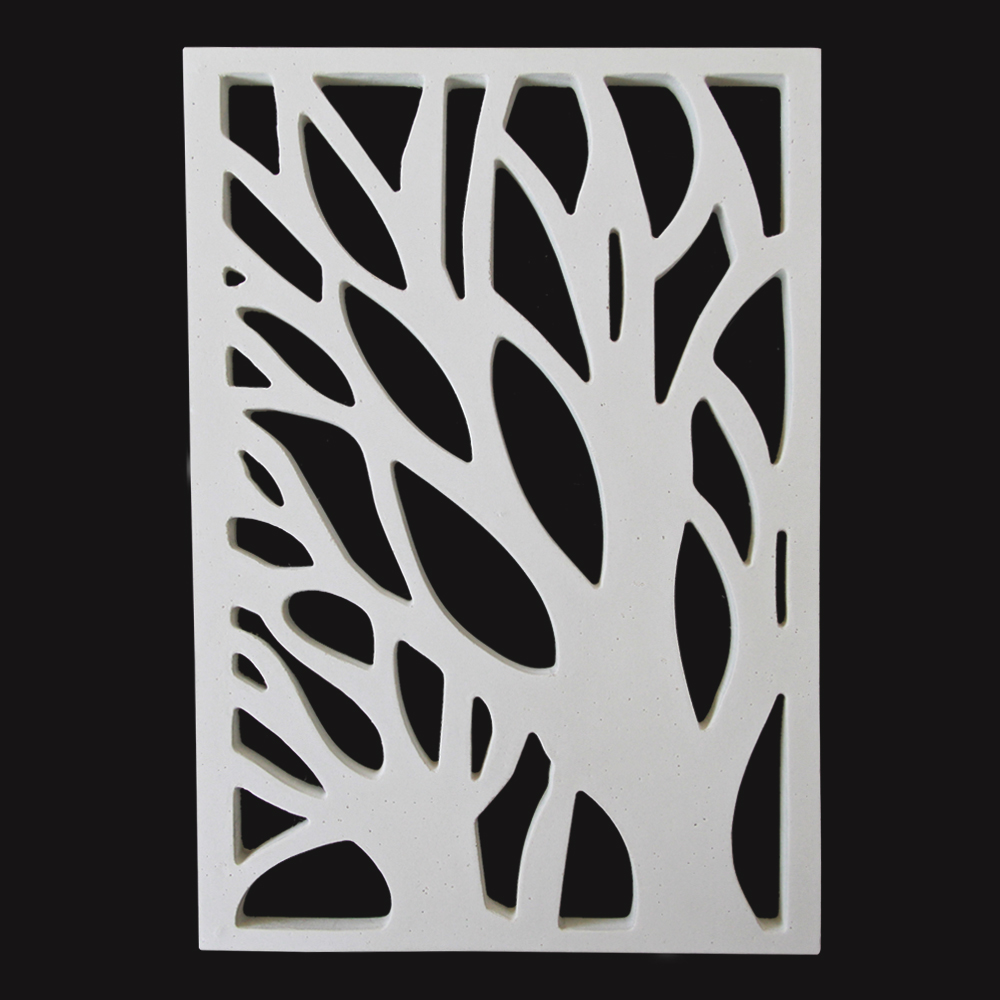
With GFRC, architects have greater flexibility to create unique designs. The material can be molded into various shapes and sizes, allowing for creative freedom in building aesthetics.
2. GFRC vs. Traditional Cladding Materials
| Feature | GFRC | Traditional Materials |
|---|
| Weight | Lightweight | Heavy |
| Durability | High resistance | Moderate to low |
| Design Options | High flexibility | Limited options |
| Cost | More cost-effective | Higher installation costs |
3. Installation Process of GFRC Cladding
3.1 Preparation
The first step is proper site preparation. This includes assessing the structure to ensure it can support GFRC cladding.
3.2 Installation
Next, the cladding panels are attached to the building. This stage requires precision to ensure the panels fit perfectly.
3.3 Finishing Touches
Finally, any finishing touches, such as sealants or paint, can be applied to enhance appearance and performance.
Conclusion
In conclusion, GFRC cladding systems are transforming modern architecture. Their durability, lightweight nature, and design flexibility make them an ideal choice for contemporary buildings. Whether for residential or commercial purposes, GFRC stands out as a remarkable option. As a GFRC supplier, we provide quality materials that meet the demands of today\'s construction industry. Explore how GFRC can bring your building projects to life!
FAQ
What is GFRC?
GFRC stands for glass fiber reinforced concrete, which is a composite material that includes fine aggregates, glass fibers, and cement.
How does GFRC compare to traditional concrete?
GFRC is lighter, more flexible, and offers better resistance to weather compared to traditional concrete.
Is GFRC cost-effective?
Yes, while the initial investment may vary, the long-term savings in repairs and maintenance make GFRC a cost-effective solution.
Can GFRC be customized?
Absolutely! GFRC can be molded into various shapes and finishes to suit any design requirement.
How long does GFRC last?
With proper installation and maintenance, GFRC can last for decades, making it a durable choice for cladding.
Where can I find a GFRC supplier?
You can find reputable GFRC suppliers online or contact your local construction material dealer for recommendations.