Introduction
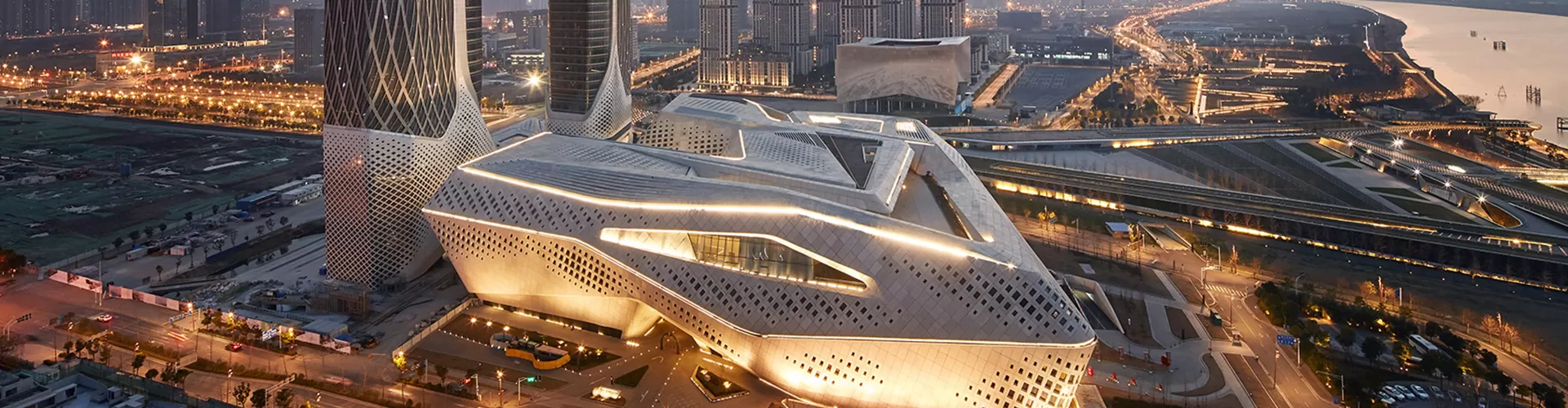
GFRC curtain wall systems have become increasingly popular in modern architecture. These systems provide a durable and aesthetically appealing facade. However, many people struggle to find the right manufacturers for quality glass fiber reinforced concrete products. Understanding the design and installation process can also be confusing. This article will clarify the benefits and processes involved in using GFRC in construction projects. Whether you are an architect, builder, or homeowner, knowing how to select the right products and manufacturers can greatly improve your outcomes.
Summary Answer
GFRC curtain wall systems are innovative materials used in building exteriors, combining durability, design flexibility, and lightweight properties. This system not only enhances the visual appeal of structures but also offers energy efficiency and lower maintenance needs. Choosing reputable manufacturers is key to ensuring the quality and performance of these products.
1. Advantages of GFRC Curtain Wall Systems
1.1 Durability
GFRC is known for its resistance to weather elements. This means that buildings can withstand harsh conditions without significant wear and tear.
1.2 Aesthetic Flexibility
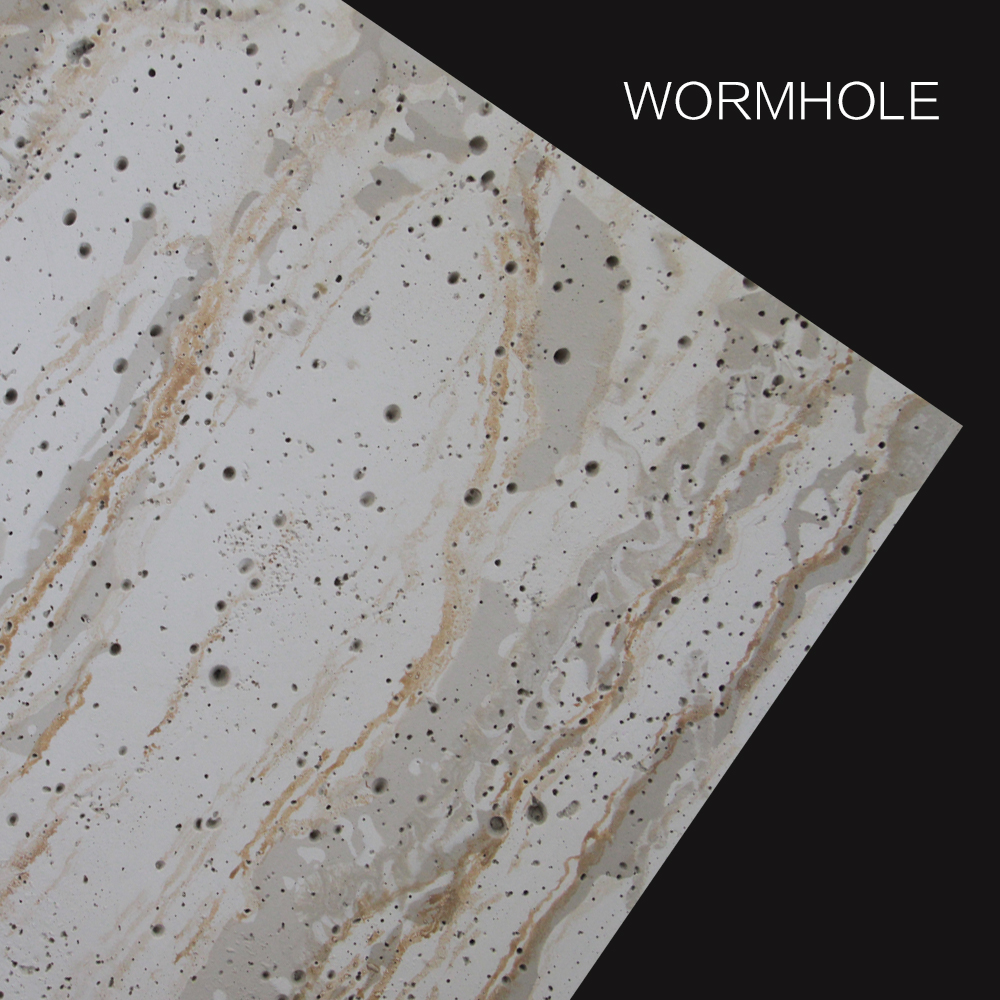
Manufacturers can create a variety of shapes and finishes with GFRC. This flexibility allows for customized designs that can fit any architectural vision.
1.3 Lightweight Nature
GFRC is significantly lighter than traditional concrete. This can reduce structural load, which means lower costs for supporting structures, making it a cost-effective choice for many projects.
1.4 Energy Efficiency
These systems can improve a building’s energy efficiency. The insulating properties of GFRC help to maintain indoor temperature, leading to reduced heating and cooling costs.
1.5 Sustainability
GFRC is made from recyclable materials, making it an environmentally friendly option. Choosing sustainable materials is increasingly important in today’s construction landscape.
1.6 Easy Installation
The installation of GFRC is quick and straightforward. This efficiency can lead to shorter project timelines and reduced labor costs.
2. Design and Installation Process of GFRC Curtain Walls
| Step | Description |
|---|
| 1 | Design Planning: Collaborate with architects and engineers to develop a design that meets aesthetic and structural requirements. |
| 2 | Material Selection: Choose appropriate GFRC materials based on project needs and regulations. |
| 3 | Manufacturing: Work with manufacturers to produce the GFRC elements to exact specifications. |
| 4 | On-Site Preparation: Prepare the building site for the installation of the curtain wall system. |
| 5 | Installation: Carefully install the GFRC panels, ensuring all components are securely attached and sealed. |
| 6 | Final Inspection: Conduct inspections to verify that the installation meets quality and design standards. |
3. Choosing the Right GFRC Manufacturer
3.1 Quality Assurance
Look for manufacturers that have a reputation for quality. Certifications and performance tests are indicators of reliability.
3.2 Experience
Choose manufacturers with industry experience. Companies with a long history are often more knowledgeable about the best practices in production and installation.
3.3 Customer Support
Good customer support is essential. Select a manufacturer that offers guidance throughout the design and construction process.
3.4 Reviews and Testimonials
Check customer reviews and testimonials. Feedback from previous clients can provide insight into the manufacturer’s performance and services.
3.5 Range of Products
Some manufacturers offer a broad range of GFRC products. This can be beneficial for projects requiring multiple types of designs and finishes.
3.6 Pricing
Compare pricing among different manufacturers. While cost is important, it should not be the sole determining factor; quality should also be a priority.
Conclusion
GFRC curtain wall systems offer a unique combination of durability, design flexibility, and energy efficiency. The manufacturers you choose can have a significant impact on your project’s success. By understanding the advantages of GFRC and the design and installation process, as well as how to select reputable manufacturers, you can make informed decisions for your construction projects.
FAQ
What is GFRC? Glass Fiber Reinforced Concrete (GFRC) is a composite material made from a cement and fiberglass mixture.
What are the benefits of using GFRC? The main benefits include durability, lightweight design, aesthetic flexibility, and energy efficiency.
How is a GFRC curtain wall installed? The installation process involves design planning, material selection, manufacturing, on-site preparation, installation, and inspection.
Can GFRC be customized? Yes, GFRC can be manufactured in various shapes, sizes, and finishes to meet specific design needs.
What should I look for in a GFRC manufacturer? Key factors include quality assurance, experience, customer support, and product range.
Is GFRC environmentally friendly? Yes, GFRC is made from recyclable materials and can contribute to sustainable building practices.