Introduction
GFRC, or Glass Fiber Reinforced Concrete, is transforming the world of 3D printing and digital construction. As traditional construction methods face challenges such as high costs and long timelines, GFRC provides a modern solution. Many builders are looking for innovative materials that are strong yet lightweight. GFRC fits this mold perfectly. However, understanding its use in advanced technologies like 3D printing can be complex. This article will explore how GFRC can revolutionize construction methods and improve efficiency.
Summary Answer
GFRC is a durable material perfect for 3D printing and digital construction, allowing for intricate designs and efficient building processes. Its lightweight nature and strength make it an excellent choice for modern architects and builders.
1. Advantages of GFRC in Construction
1.1 High Strength-to-Weight Ratio
GFRC is significantly stronger than traditional concrete. This allows for thinner sections and lighter components, reducing the overall weight of structures.
1.2 Design Flexibility
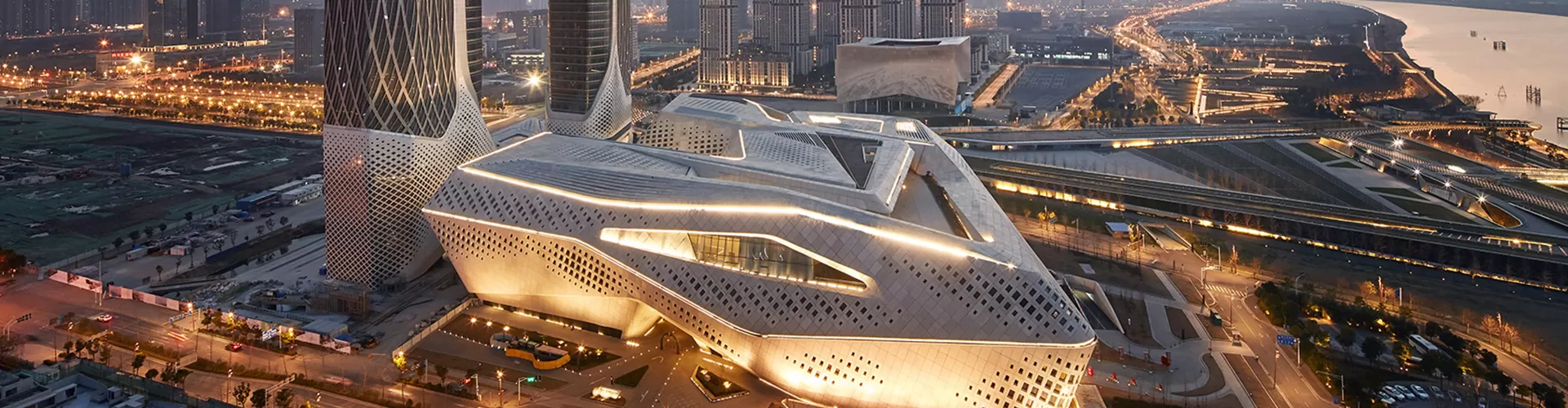
With GFRC, architects can create intricate and complex designs that are hard to achieve with standard concrete. This opens new possibilities in modern architecture.
1.3 Cost-Effectiveness
Using GFRC can save money in multiple ways. Its lightweight nature means reduced transportation costs. Additionally, faster installation reduces labor costs.
2. GFRC in 3D Printing
2.1 Innovative Solutions
By incorporating GFRC in 3D printing, builders can create unique and customized structures on-site. This technology minimizes waste and enhances sustainability.
2.2 Faster Production Times
3D printing with GFRC allows for quicker production compared to traditional methods. Structures can be built layer by layer in a fraction of the time.
2.3 Enhanced Accuracy
3D printing ensures that every component is manufactured with precision. This accuracy leads to better fit and finish, making tasks easier for builders.
3. Case Studies and Data
3.1 Successful Implementations
Several companies have reported increased efficiency when using GFRC in 3D printing:
- Company A reduced project times by 30%.
- Company B reported a 40% decrease in material waste.
3.2 Comparisons to Traditional Materials
| Material |
Weight (lbs/sq yd) |
Cost ($/sq yd) |
Strength (psi) |
| GFRC |
90 |
40 |
7000 |
| Traditional Concrete |
140 |
50 |
4000 |
Conclusion
GFRC plays a pivotal role in the future of 3D printing and digital construction. Its unique properties provide numerous benefits, including weight reduction, design flexibility, and cost savings. By integrating GFRC into modern building practices, the construction industry can address many existing challenges, paving the way for innovative and sustainable solutions.
FAQ
What is GFRC?
GFRC stands for Glass Fiber Reinforced Concrete. It is a composite material made of concrete and fine glass fibers.
How is GFRC used in 3D printing?
GFRC is used in 3D printing to create durable and lightweight structures, enhancing design flexibility and production speed.
What are the benefits of using GFRC?
The benefits of using GFRC include a high strength-to-weight ratio, cost-effectiveness, and the ability to create complex designs.
Can GFRC reduce construction costs?
Yes, GFRC can reduce construction costs through savings in material weight, faster production times, and reduced labor expenses.
Is GFRC environmentally friendly?
GFRC can be more environmentally friendly than traditional concrete due to its lighter weight and reduced waste during 3D printing.
Where can I find a reliable GFRC supplier?
Finding a reliable GFRC supplier is essential for quality projects. Look for suppliers with experience in both GFRC and 3D printing technology.