Introduction
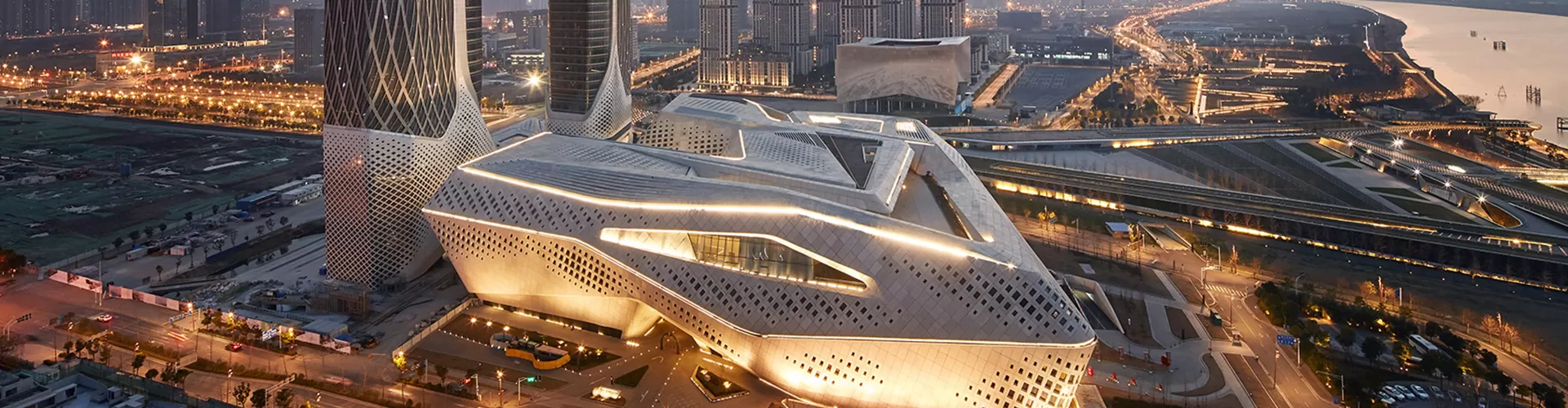
GFRC Manufacturers play a crucial role in creating complex architectural shapes and forms. This innovative material allows architects and designers to create stunning structures that enhance the beauty of buildings. However, many people face challenges when it comes to finding suitable materials for these intricate designs. GFRC, or Glass Fiber Reinforced Concrete, is lightweight yet strong, making it an ideal choice for unique forms. Additionally, it offers incredible design versatility, durability, and impact resistance. Many are unaware of the potential of GFRC, which can lead to missed opportunities in architectural projects.
Summary Answer
GFRC manufacturers can effectively create complex architectural shapes and forms due to the material\'s unique properties, including strength, flexibility, and design versatility.
1. Advantages of GFRC in Architecture
1.1 Strength and Lightweight Nature
GFRC is known for its impressive strength-to-weight ratio. This means it can support large structures without adding excessive weight. This property allows for grand designs that are also practical.
1.2 Design Flexibility
Designers can shape GFRC into various complex forms. This versatility means architects can experiment with unconventional designs that capture attention and imagination.
1.3 Low Maintenance Requirements
GFRC has a durable exterior that resists weathering and corrosion. Consequently, buildings that utilize GFRC require less frequent maintenance, saving time and costs long-term.
1.4 Cost-Effectiveness
While the upfront cost might be higher compared to traditional materials, the lifespan and low maintenance make GFRC a smart investment.
1.5 Eco-Friendly Advancements
Many GFRC manufacturers focus on sustainability. GFRC can be made with recycled materials, which helps reduce environmental impact.
1.6 Fire Resistance
GFRC provides good fire resistance. This feature adds to the safety of buildings, making it an ideal choice for public structures.
2. GFRC Creation Process
2.1 Manufacturing Steps
The creation of GFRC involves several key steps:
- Mixing raw materials such as sand, water, and glass fibers.
- Pouring the mixture into molds that shape the GFRC.
- Curing the GFRC to ensure it reaches optimal strength.
- Finishing and applying coatings for aesthetic appeal.
2.2 Quality Control Measures
Throughout the process, quality control is critical. Manufacturers conduct tests to ensure the GFRC meets safety and performance standards.
3. Applications of GFRC in Complex Structures
3.1 Architectural Facades
GFRC is commonly used for building facades. Its flexibility allows for unique architectural styles, making buildings not only functional but visually striking.
3.2 Sculptures and Art Installations
Artists and designers use GFRC in public sculptures because it can be easily shaped into intricate forms while maintaining durability.
3.3 Landscaping Features
GFRC is popular for creating landscaping elements such as decorative walls and garden features. Its lightweight nature makes it easier to transport and install.
3.4 Precast Concrete Panels
Precast GFRC panels are lightweight and can be quickly installed, reducing construction time and labor costs.
Conclusion
In summary, GFRC manufacturers provide a valuable resource for creating complex architectural shapes and forms. The unique properties of GFRC, such as its strength, design versatility, and low maintenance requirements, make it an excellent choice for modern architecture. Implementing GFRC in building designs not only enhances aesthetics but also contributes to sustainability in construction.
FAQ
What is GFRC?
GFRC stands for Glass Fiber Reinforced Concrete, a composite material made of concrete strengthened with glass fibers.
What are the benefits of using GFRC?
GFRC is lightweight, durable, offers design flexibility, and reduces maintenance costs, making it an ideal choice for architects.
How are GFRC products manufactured?
The manufacturing process involves mixing raw materials, pouring them into molds, curing them, and then finishing the products.
Can GFRC be used for outdoor applications?
Yes, GFRC is suitable for outdoor applications due to its durability and resistance to weather.
Is GFRC eco-friendly?
GFRC can be produced with recycled materials, making it a more sustainable option compared to traditional concrete.
How does GFRC compare to traditional concrete?
GFRC is lighter, offers greater design flexibility, and is generally easier to install than traditional concrete, making it a preferred choice for complex architecture.