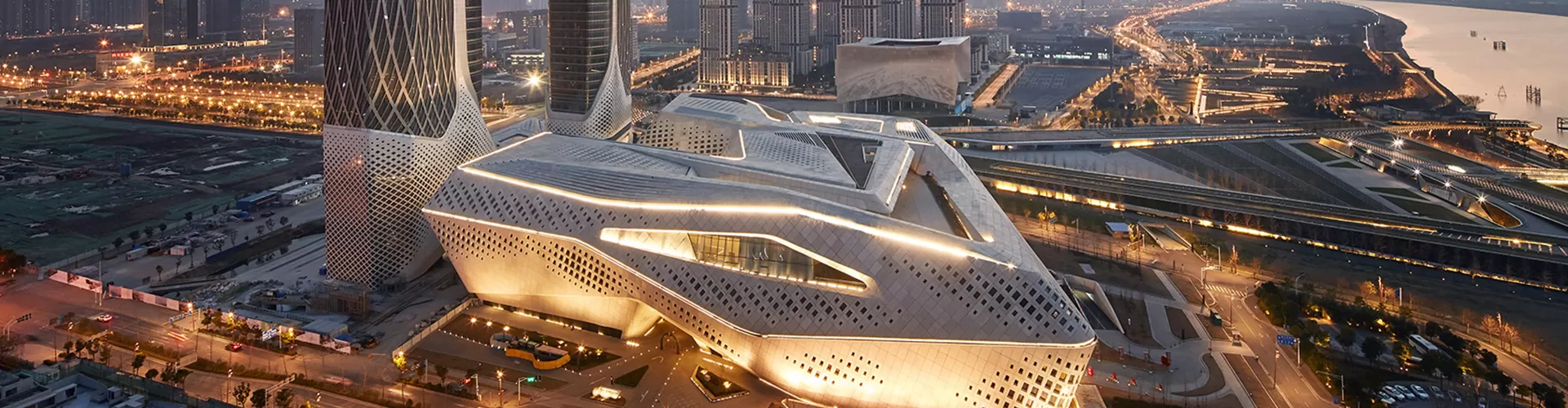
Glass Fiber Reinforced Concrete (GFRC) has become increasingly popular in interior architectural design due to its unique properties and versatility. This article explores how GFRC addresses common challenges in design, offering durability, aesthetic appeal, and ease of use as key advantages. With its lightweight nature and superior strength, GFRC allows designers to push the boundaries of creativity while ensuring functional excellence. Here, we delve into the significant ways GFRC can enhance interior spaces, providing both practical solutions and artistic expressions.
1. Advantages of GFRC in Interior Design
The growing interest in GFRC stems from several advantages that resonate with architects and designers. Below are the main benefits:
1.1 Lightweight and Durable
GFRC's lightweight nature makes it an ideal choice for various interior applications while maintaining structural integrity. It is highly durable and resistant to cracking, which is vital for long-lasting designs.
1.2 Versatility in Style and Application
GFRC can be molded into a variety of shapes and finishes, allowing designers to create customized solutions. Whether it’s curved walls or intricate decorative elements, GFRC enables limitless creativity.
1.3 Cost-Effectiveness
Despite the advanced technology involved, GFRC can be cost-effective due to lowered shipping costs, reduced structural support requirements, and faster installation times.
1.4 Eco-Friendly Options
GFRC can be manufactured using sustainable practices, promoting environmental responsibility in interior design. Various mixes can include recycled materials, reducing overall resource consumption.
1.5 Low Maintenance Needs
Unlike traditional concrete, GFRC surfaces require minimal maintenance. The non-porous quality of GFRC helps resist stains and moisture absorption, enhancing longevity.
2. Applications of GFRC in Interior Features
GFRC is highly versatile, making it suitable for several applications in interior design. Below are key areas where GFRC excels:
2.1 Wall Panels and Cladding
GFRC wall panels provide not only aesthetic value but also thermal and acoustic insulation. The material allows for striking visual effects with intricate designs.
2.2 Flooring Solutions
Customized GFRC flooring options present various colors and textures. Its durability makes it suitable for both residential and commercial spaces, leading to increased foot traffic wearability.
2.3 Decorative Elements
Using GFRC for sculptures, column covers, and moldings adds artistry to interiors. Designers can create bespoke features that serve as focal points within the space.
2.4 Fireplaces and Mantels
GFRC can be crafted into stunning fireplace surrounds that combine elegance with functionality. Its fire resistance makes it a safe choice for this application.
2.5 Furniture Design
Innovative furniture pieces, such as tables and seating, can be constructed from GFRC. The material allows for unique designs that blend form and function seamlessly.
3. Comparing GFRC with Traditional Materials
To better understand the advantages of GFRC, let’s compare it with traditional materials commonly used in interior design:
| Feature |
GFRC |
Traditional Concrete |
Wood |
| Weight |
Lightweight |
Heavy |
Varies |
| Durability |
High |
Moderate |
Variable |
| Maintenance |
Low |
High |
Moderate |
| Design Flexibility |
High |
Low |
Moderate |
| Cost |
Cost-Effective |
Higher |
Variable |
4. How to Incorporate GFRC in Your Projects?
Implementing GFRC in interior design can be a streamlined process when following these steps:
- Define the Project Scope
- Select Appropriate GFRC Mix Design
- Work with a Trusted Manufacturer
- Plan for Installation Techniques
- Conduct Maintenance Planning
4.1 Define the Project Scope
Understand the specific needs of your project, including style, functionality, and budget.
4.2 Select Appropriate GFRC Mix Design
Choices range from standard mixes to customized formulations. Engage with a GFRC manufacturer for optimal options.
4.3 Work with a Trusted Manufacturer
Partnering with experienced GFRC Manufacturers like Jushui ensures quality and creativity.
4.4 Plan for Installation Techniques
Consider collaboration with skilled contractors familiar with GFRC applications for smooth execution.
4.5 Conduct Maintenance Planning
Plan for periodic evaluations to maintain the beauty and functionality of GFRC installations.
5. Case Studies: Successful GFRC Installations
Examining real-world applications of GFRC allows designers to see its potential:
5.1 Modern Office Spaces
A leading technology firm utilized GFRC panels for both aesthetic appeal and acoustic control, resulting in an inspiring workspace that enhances productivity.
5.2 Retail Environment Revitalization
A boutique clothing store implemented GFRC finishes in their interior redesign, achieving an upscale feel without the high costs traditionally associated with concrete.
5.3 Residential Luxury Homes
A luxury home featured GFRC staircases and fireplaces that not only provide beauty but also substantial safety features, effectively blending elegance and functionality.
In conclusion, GFRC proves to be a game-changer in interior architectural design, addressing specific user pain points through its myriad benefits. From enhancing durability to allowing artistic expression, GFRC should be at the forefront of any designer's material of choice. For innovative designs that stand the test of time, consider the exceptional potential of GFRC. Engage with Jushui to explore how our GFRC products can transform your design vision into reality!