1. Understanding GFRC and Its Importance in Prefabricated Building Systems
Glass Fiber Reinforced Concrete (GFRC) is transforming the construction landscape as a lightweight, durable, and versatile material. As the demand for prefabricated building systems increases, GFRC has emerged as a crucial component for overseas buyers and distributors. With its exceptional strength-to-weight ratio, GFRC addresses some common pain points in construction, including labor costs, design flexibility, and sustainability.
Benefits of GFRC in Prefabricated Buildings
- Durability: GFRC includes glass fibers that significantly enhance the concrete's tensile strength.
- Lightweight: It is much lighter than traditional concrete, reducing transportation costs.
- Design Versatility: GFRC can be molded into various shapes, offering aesthetic flexibility.
2. Key Applications of GFRC in Prefabricated Building Systems
Residential and Commercial Use Cases
GFRC is utilized across different sectors, making it suitable for a variety of applications:
- Cladding panels for both residential and commercial buildings.
- Precast structural components like facades and decorative elements.
- Sound barriers and utilitarian structures.
Case Study: GFRC in Urban Development Projects
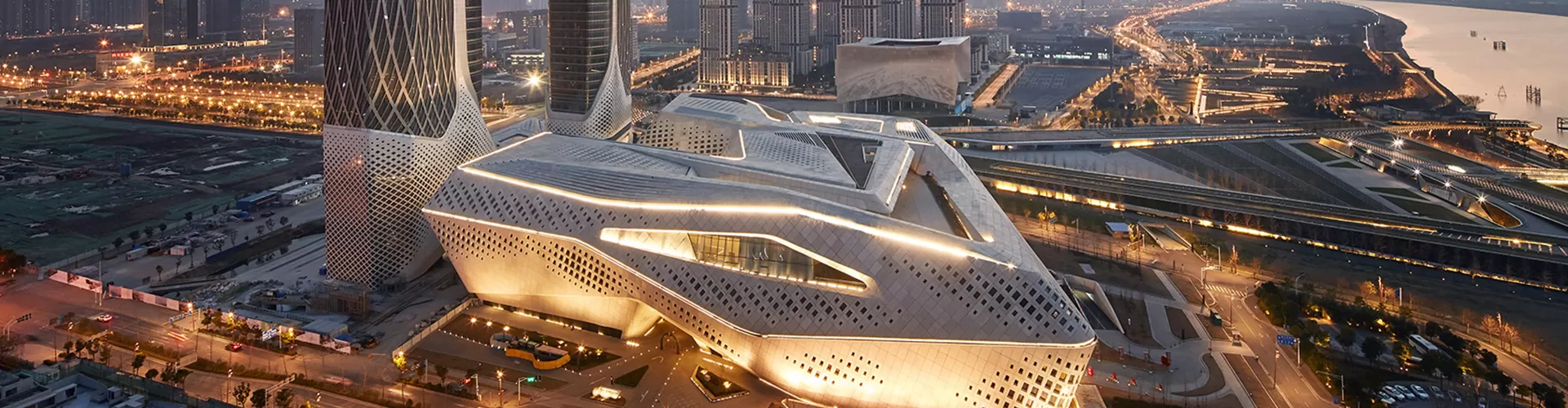
Consider urban development projects that have embraced GFRC. For instance, in a recent project, the use of GFRC led to a 15% reduction in construction time and a 20% decrease in overall material costs. This efficiency has captured the attention of architects and developers alike.
3. The Manufacturing Process of GFRC Panels
Step-by-Step Production Flow
The manufacturing of GFRC panels is efficient yet precise. Here’s a breakdown of the process:
- Mixing the ingredients: Cement, glass fibers, aggregates, water, and additives.
- Forming the panels: The mixture is poured into molds and compacted.
- Curing process: Panels undergo curing, which can take several days depending on environmental conditions.
- Finishing touches: Once cured, panels can be sanded, painted, or treated for further durability.
| Phase |
Description |
| Mixing |
Ensures even distribution of materials for strength. |
| Forming |
Molds are essential for creating specific shapes and sizes. |
| Curing |
Vital for achieving optimal strength and performance properties. |
| Finishing |
Enhances aesthetic appeal and functional properties of GFRC panels. |
4. Challenges and Considerations in Using GFRC
Addressing Common Concerns
While GFRC offers numerous benefits, certain challenges must be considered:
- Initial Cost: The upfront investment in GFRC can be higher than traditional concrete, but the return on investment can be significant over time.
- Installation Expertise: Proper installation requires skilled labor to ensure optimum performance.
- Weather Sensitivity: Attention must be paid to environmental factors during curing and handling.
5. Future Trends for GFRC in the Prefabricated Sector
Innovations on the Horizon
The prefabricated building sector is seeing innovations that may shape the future of GFRC:
- Incorporating smart technology for better monitoring and maintenance.
- Advancements in additive manufacturing enabling more complex designs.
- Enhanced environmental considerations promoting sustainability practices within GFRC production.
6. Conclusion: The Role of GFRC in Modern Construction
As we navigate the future of construction, GFRC stands out as a sustainable, efficient, and versatile material within prefabricated systems. Users must weigh the benefits against the challenges, and as innovations continue to evolve, the potential for GFRC will only grow. For overseas buyers and distributors looking for a reliable GFRC supplier, Jushui offers unmatched quality and service, ensuring your projects meet the highest standards of durability and aesthetic appeal.