Introduction
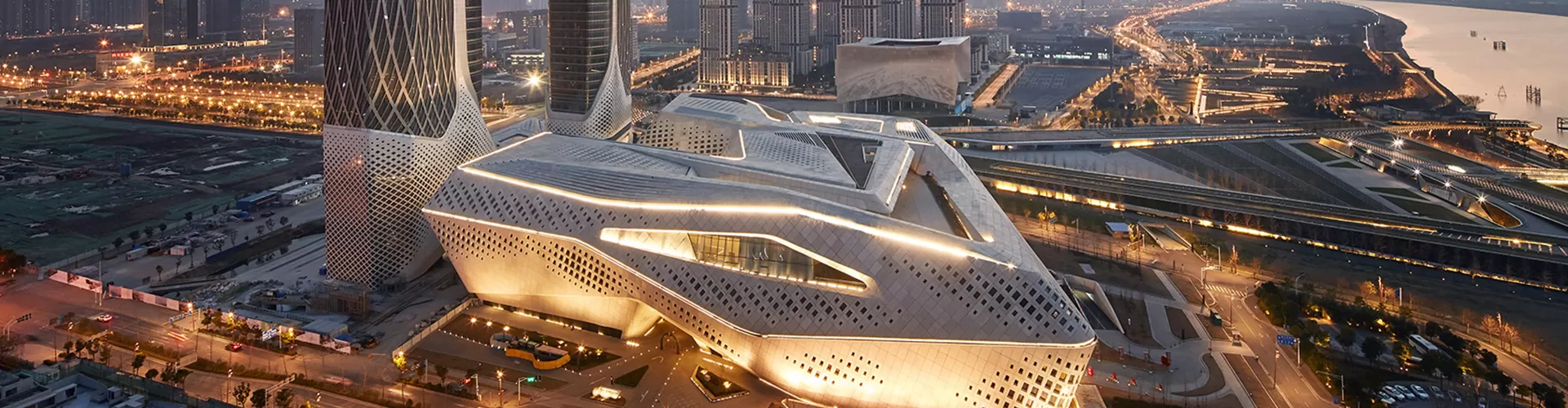
GFRC Manufacturers play a crucial role in the renovation and restoration of buildings. Glass Fiber Reinforced Concrete (GFRC) is becoming a popular choice for many construction projects. It offers durability and versatility, making it ideal for both new constructions and restoration works. Many older buildings need updates to meet modern standards. GFRC provides a lightweight solution that mimics traditional materials while reducing overall weight. This makes it easier to work with and install, particularly in renovations.
Summary Answer
GFRC is a lightweight, flexible, and durable material that simplifies the renovation and restoration process of buildings, making it an excellent choice for architects and builders.
1. Benefits of Using GFRC in Renovation
Lightweight Characteristics
One of the key advantages of GFRC is its lightweight nature. This reduces the structural load on buildings during renovations, ensuring that older structures remain intact.
Design Flexibility
GFRC can be molded into various shapes and sizes. This allows architects to recreate historical designs with modern materials. The ability to customize designs adds aesthetic value while maintaining structural integrity.
Durability and Strength
GFRC is highly resistant to weather, chemicals, and extreme temperatures. This makes it a reliable choice for building facades and interiors that require longevity and minimal maintenance.
Cost-Effectiveness
By reducing labor and transportation costs due to its lightweight nature, GFRC can be a cost-effective solution in building renovation projects. These efficiencies lead to overall project savings.
Eco-Friendly Properties
GFRC is made with sustainable materials, helping in achieving green building certifications. Its production often results in less waste, contributing to eco-friendly practices in construction.
Applications in Historic Restorations
GFRC is widely used to restore historic buildings. It can replicate the appearance of original, traditional materials, making it suitable for projects that require careful preservation.
2. Comparison of GFRC with Traditional Materials
| Feature |
GFRC |
Traditional Concrete |
| Weight |
Lightweight |
Heavy |
| Flexibility in Design |
High |
Limited |
| Durability |
High |
Variable |
| Installation Difficulty |
Low |
High |
| Cost Efficiency |
High |
Variable |
3. Steps to Incorporate GFRC in Renovation Projects
- Assess the structural condition of the building.
- Consult with GFRC manufacturers to discuss design options.
- Prepare the site and remove old materials if necessary.
- Install GFRC panels according to the design plan.
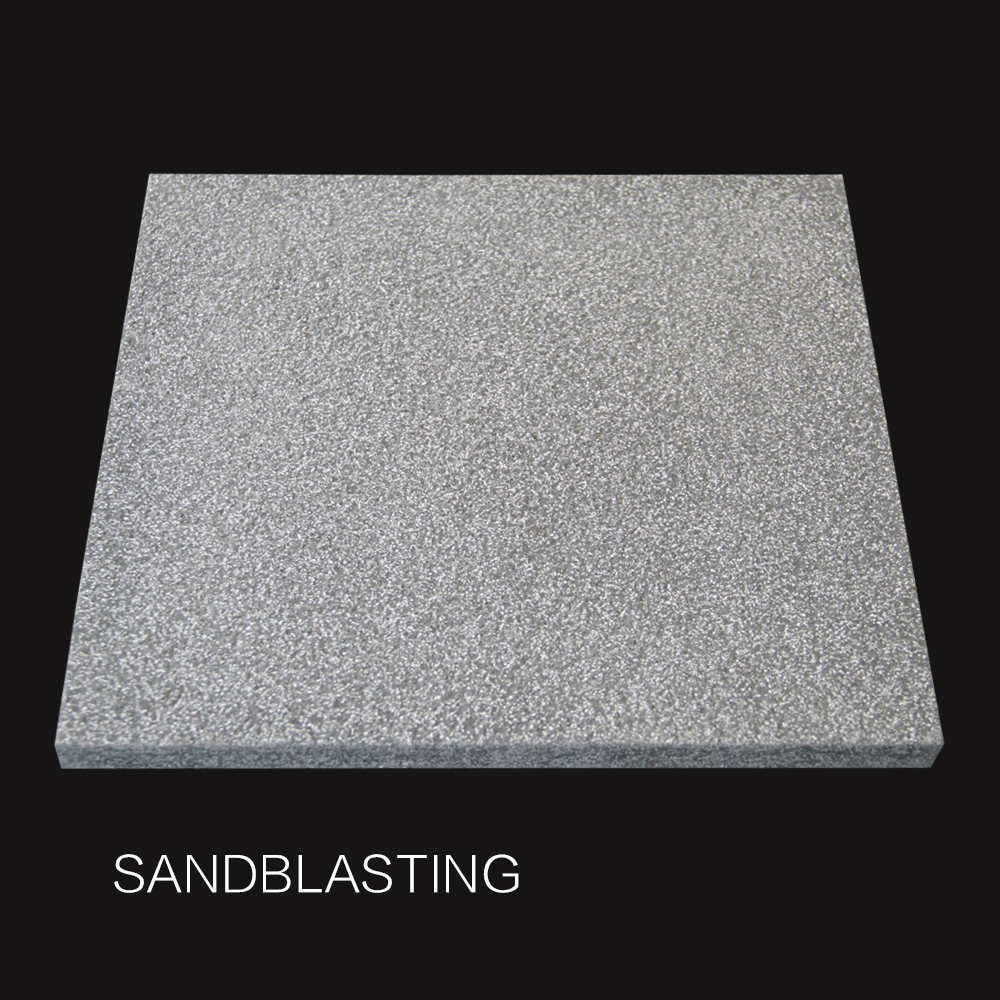
- Finish the surface with desired textures and colors.
Conclusion
In summary, GFRC offers numerous advantages for the renovation and restoration of buildings. Its lightweight nature, design flexibility, and durability make it a popular choice among architects and builders. By opting for GFRC, projects can achieve a balance of aesthetic appeal and structural reliability, ensuring that renovations meet modern demands while respecting historical integrity.
FAQ
What is GFRC?
GFRC stands for Glass Fiber Reinforced Concrete. It is a composite material made from a mixture of cement, fine aggregates, water, and glass fibers.
Why is GFRC used in building restoration?
GFRC is used for its lightweight, durable, and versatile properties, which make it suitable for restoring both modern and historical buildings.
How does GFRC compare to traditional materials?
GFRC is lighter, more flexible in design, and often more cost-effective than traditional concrete, making it advantageous for renovation projects.
Can GFRC mimic traditional building materials?
Yes, GFRC can be molded and finished to replicate various traditional building materials, providing historical authenticity in restoration projects.
Is GFRC environmentally friendly?
Yes, GFRC incorporates sustainable practices in its production and can contribute to green building certifications.
How do I choose a GFRC manufacturer?
Consider their experience, past projects, and customer reviews to ensure you select a reputable GFRC manufacturer for your renovation needs.