Introduction
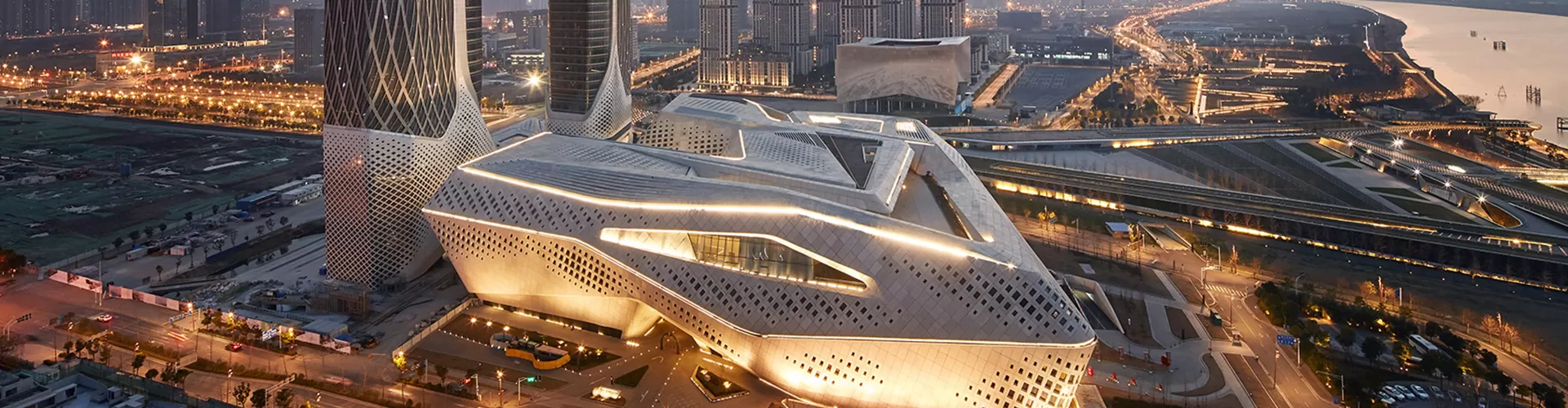
Glass Fiber Reinforced Concrete (GFRC) is changing the landscape of sculpture and artistic structures. Artists and architects face challenges when creating durable and lightweight designs. Traditional materials often struggle with these requirements. GFRC offers a strong alternative, making it possible to construct stunning works of art that stand the test of time. The versatility and strength of GFRC mean it can be molded into various shapes and textures, opening up creative possibilities for artistic expression. Many manufacturers are now using GFRC to push the boundaries of design in sculptures and structures.
Summary Answer
GFRC is a revolutionary material that enables artists to create durable, lightweight, and intricate sculptures and structures effectively. By incorporating glass fibers into concrete, GFRC achieves high tensile strength and versatility. It meets the demands of modern design, offering endless possibilities for artistic innovation.
1. Key Properties of GFRC
1.1 Lightweight Strength
The glass fibers in GFRC make it significantly lighter than traditional concrete, allowing for easy manipulation and installation.
1.2 Durability
GFRC is highly resistant to weathering and corrosion, ensuring that sculptures maintain their integrity over time.
1.3 Versatility
This material can be molded into complex shapes, allowing artists to express their vision without limitations.
1.4 Aesthetic Appeal
GFRC can be finished in various textures and colors, enhancing the visual impact of artworks.
1.5 Cost-Effectiveness
Using GFRC can reduce construction costs due to its lightweight nature and quicker installation time.
1.6 Sustainable Choice
GFRC is more sustainable than traditional concrete, as it requires fewer raw materials and energy for production.
2. Applications of GFRC in Art
2.1 Sculptures
Many artists now choose GFRC for sculptures due to its ease of shaping and adaptability to intricate details.
2.2 Installations
GFRC is ideal for large-scale installations in public spaces, as its durability withstands environmental factors.
2.3 Decorative Elements
From garden features to architectural facades, GFRC serves as a versatile choice for decorative applications.
3. Comparison of GFRC and Traditional Materials
| Feature |
GFRC |
Traditional Concrete |
| Weight |
Low |
High |
| Durability |
Excellent |
Good |
| Design Flexibility |
High |
Limited |
| Cost |
Lower in application |
Higher |
| Sustainability |
Higher |
Lower |
Conclusion
GFRC is revolutionizing the field of sculpture and artistic structures. Its unique properties offer artists and architects innovative ways to create stunning works. With its lightweight nature, durability, versatility, and cost-effectiveness, GFRC is an excellent choice for modern artistry. As more glass fiber reinforced concrete manufacturers enter the market, the potential for creative expression in art continues to expand.
FAQ
What is GFRC?
GFRC stands for Glass Fiber Reinforced Concrete, a composite material that uses glass fibers to enhance the strength of concrete.
What are the benefits of using GFRC in art?
The benefits include lightweight structure, high durability, design flexibility, aesthetic options, cost-effectiveness, and sustainability.
Can GFRC be used for large sculptures?
Yes, GFRC is ideal for large sculptures due to its lightweight properties and strength, allowing for grand designs.
How does GFRC compare to traditional concrete?
GFRC is generally lighter, more durable, offers greater design flexibility, is more cost-effective in application, and is more sustainable than traditional concrete.
Is GFRC suitable for outdoor installations?
Yes, GFRC is resistant to weather conditions, making it suitable for outdoor sculptures and installations.
Who are the leading manufacturers of GFRC?
Numerous manufacturers are specializing in GFRC, focusing on quality and innovative applications in artwork.