Introduction
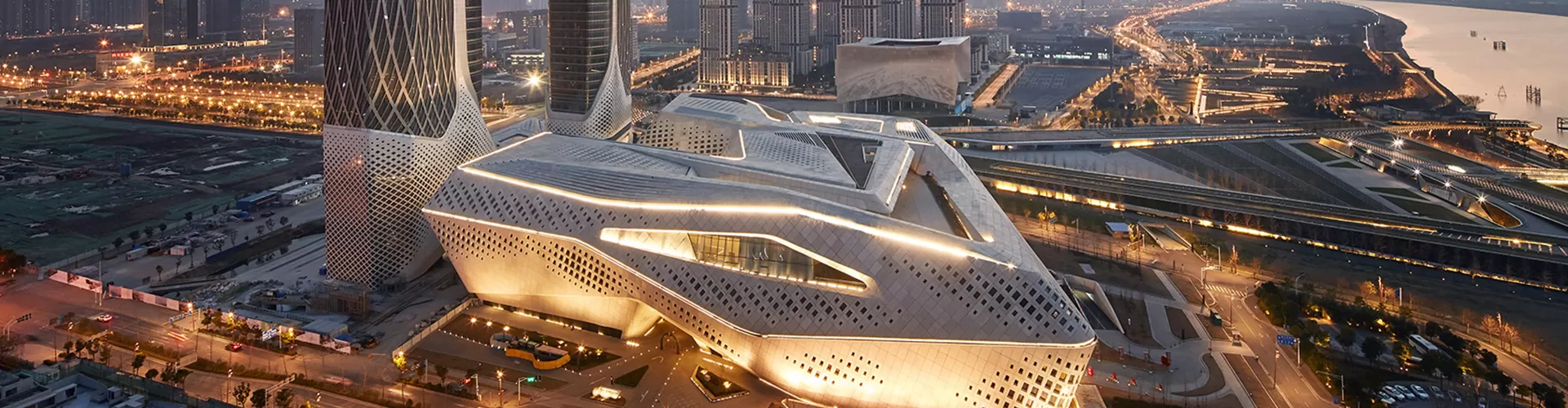
GFRC, or Glass Fiber Reinforced Concrete, is becoming popular in urban furniture and landscape design. This innovative material offers both strength and versatility. Many cities face challenges with traditional materials that wear out quickly or are heavy and difficult to install. GFRC solves these problems by being lightweight yet strong. It is also environmentally friendly, making it a perfect choice for modern landscapes. With designers increasingly seeking durable options, GFRC is the ideal solution for urban furniture and landscaping.
Summary Answer
Incorporating GFRC in urban furniture and landscape design enhances durability, reduces weight, and offers design flexibility, making it an excellent choice for modern projects.
1. Advantages of GFRC
- Lightweight and Strong
GFRC is significantly lighter than traditional concrete, which makes it easier to transport and install. This is important in urban settings where heavy lifting can be a challenge.
- Weather Resistant
GFRC can withstand harsh weather conditions, including rain, snow, and extreme heat. This longevity ensures that urban furniture maintains its appearance and function over time.
- Design Flexibility
With GFRC, designers can create a variety of shapes and finishes. This flexibility allows for unique urban furniture designs that can enhance the overall landscape.
2. Applications of GFRC in Urban Design
- Benches and Seating
GFRC benches can be designed to fit any location. They provide comfortable seating options in parks, plazas, and public spaces.
- Planters
GFRC planters are durable and lightweight. They can hold various plants and flowers, improving the look of urban areas while being easy to move and replace as needed.
- Fountains and Water Features
Fountains made from GFRC add beauty to landscapes. They withstand water exposure and are less likely to crack over time compared to traditional materials.
3. Cost Comparisons
| Material Type |
Cost per Square Foot |
Durability (Years) |
Weight (lbs) |
| GFRC |
$12-$20 |
50+ |
50 |
| Traditional Concrete |
$8-$15 |
25 |
100 |
| Wood |
$10-$25 |
10 |
80 |
Conclusion
Using GFRC in urban furniture and landscape design revolutionizes the way we create functional and beautiful public spaces. Its strength, lightweight nature, and design versatility make it a preferred choice for designers and city planners alike. Investing in GFRC can lead to long-lasting and attractive urban environments.
FAQ
What is GFRC?
GFRC stands for Glass Fiber Reinforced Concrete. It is a composite material that combines traditional concrete with glass fibers for added strength and durability.
How does GFRC compare to traditional concrete?
GFRC is significantly lighter and more resistant to weather conditions compared to traditional concrete, making it a more durable option for urban settings.
Is GFRC environmentally friendly?
Yes, GFRC is considered eco-friendly as it can utilize sustainable materials and requires less energy for transportation and installation thanks to its lighter weight.
What are some common uses of GFRC?
Common applications include benches, planters, and fountains. Its versatility makes it suitable for various urban furniture pieces and landscape designs.
How long does GFRC last?
GFRC can last over 50 years, making it a long-lasting choice for outdoor installations.
Can GFRC be customized?
Yes, GFRC can be molded into various shapes and finishes, allowing for extensive customization in design.