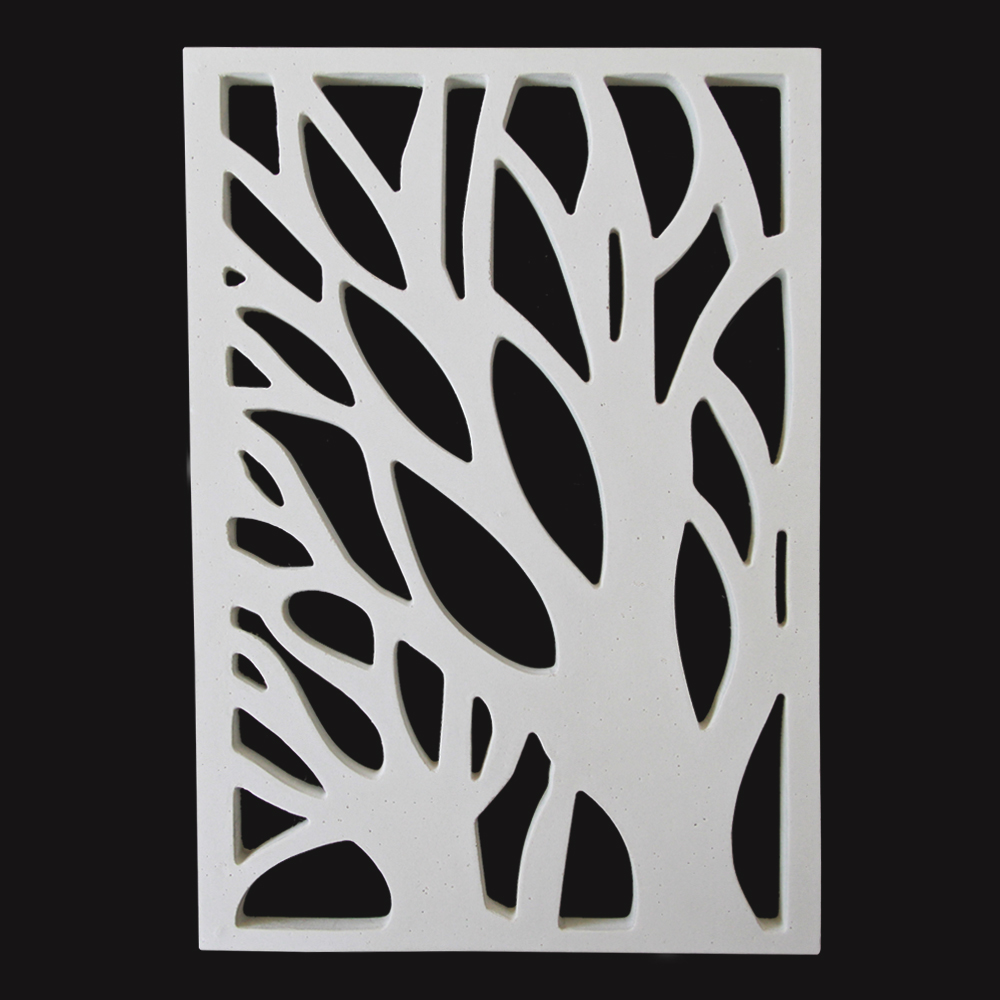
The production of Glass Fiber Reinforced Concrete (GFRC) panels is a sophisticated process that requires essential insights into workflows, technology, and efficiency. Buyers and distributors often seek clarity on this topic to accurately assess quality, delivery times, and cost structures. Our comprehensive guide details the workflow, addressing common pain points and offering a step-by-step overview that enhances understanding and decision-making.
1. Key Stages in the GFRC Panel Production Workflow
To fully grasp the GFRC panel production workflow, it\'s pivotal to understand the key stages involved in the process:
1.1. Design and Planning
This initial phase involves designing the panels based on client specifications and construction requirements. Attention to detail is crucial to ensure functionality and aesthetics.
1.2. Material Preparation
The preparation of raw materials such as cement, water, glass fibers, and additives is vital. Proper mixing and quality control tests are conducted to ensure material integrity.
1.3. Manufacturing Process
The actual manufacturing involves mixing, pouring, and forming GFRC panels in molds. This step is critical for achieving the desired finish and strength.
1.4. Curing Process
After forming, the panels undergo a curing process that involves a controlled environment to enhance their tensile strength and durability. Curing time can vary based on the formula used.
1.5. Quality Control
Quality control checks are critical at every stage to ensure the panels meet industry standards and client expectations. Tests may include tensile strength, visual inspections, and dimensional checks.
1.6. Finishing Touches
This step may involve applying coatings, textures, or colors to the panels to meet aesthetic requirements before final packing.
1.7. Packaging and Shipping
The final stage includes careful packaging to protect the panels during transit. Proper logistics management ensures timely delivery to customers.
2. Detailed Comparison of GFRC Panel Manufacturing vs. Traditional Concrete Panels
| Feature | GFRC Panels | Traditional Concrete Panels |
|---|
| Weight | Lightweight, up to 75% less than traditional panels | Heavy, difficult to transport |
| Strength | High tensile strength due to glass fibers | Depends on concrete mix, generally lower strength |
| Aesthetics | Wide variety of finishes and colors available | Limited to traditional finishes |
| Installation Time | Faster installation due to lightweight nature | Longer installation time, requires more manpower |
3. Advantages of Using the GFRC Production Workflow
Understanding the advantages of utilizing GFRC production workflows can significantly benefit manufacturers and clients alike:
3.1. Cost-Efficiency
Using GFRC allows for more cost-effective solutions due to reduced material consumption and labor costs associated with handling heavier materials.
3.2. Design Flexibility
GFRC can be molded into various shapes and sizes, allowing for creative designs that traditional concrete cannot accomplish.
3.3. Environmental Benefits
The production of GFRC panels often involves sustainable practices, making them a greener choice in construction.
4. Step-by-Step Flow Chart of the GFRC Panel Production Process
Flow Chart
1. Design → 2. Material Preparation → 3. Manufacturing → 4. Curing → 5. Quality Control → 6. Finishing → 7. Packaging & Shipping
5. Addressing Common User Pain Points
Many overseas buyers encounter challenges when sourcing GFRC panels. Let’s address some specific concerns:
5.1. Understanding Quality Standards
Quality varies significantly between manufacturers. It\'s essential to inquire about compliance with international standards.
5.2. Graphics and Design Validation
Buyers often worry about the match between design expectations and the final product. Prototyping can mitigate these concerns.
5.3. Delivery Timelines
Timely delivery is crucial. Establish clear timelines and evaluate the manufacturer’s ability to meet them through past performance metrics.
6. Conclusion
In summary, understanding the GFRC panel production workflow is essential for overseas buyers and distributors seeking quality and reliability in their construction projects. By grasping the stages of production and acknowledging the advantages GFRC panels offer, stakeholders can make informed decisions. The structured approach to production ensures high-quality panels that meet market demands.
For more insights into GFRC manufacturing, visit Jushui for expert advice and innovative solutions.