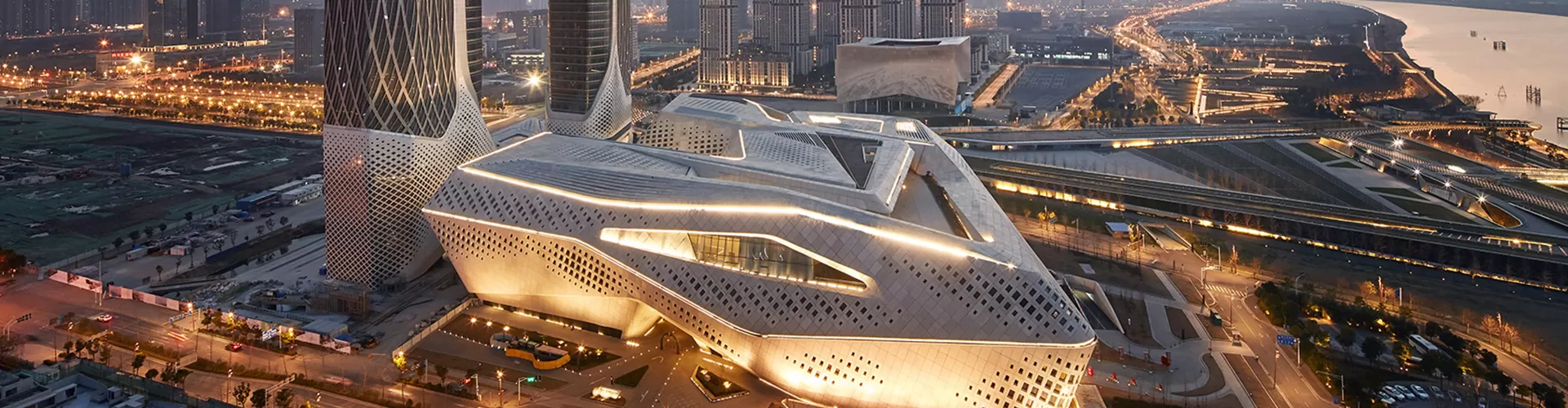
Introduction
GFRC, or Glass Fiber Reinforced Concrete, is becoming popular in residential building design. Builders and architects are increasingly turning to GFRC for its durability and aesthetic appeal. Many face challenges with traditional materials, such as weight and maintenance. GFRC offers a lightweight option that is easier to handle while providing the same strength. Its versatility also allows for creative designs and finishes, making it a preferred choice for modern homes. 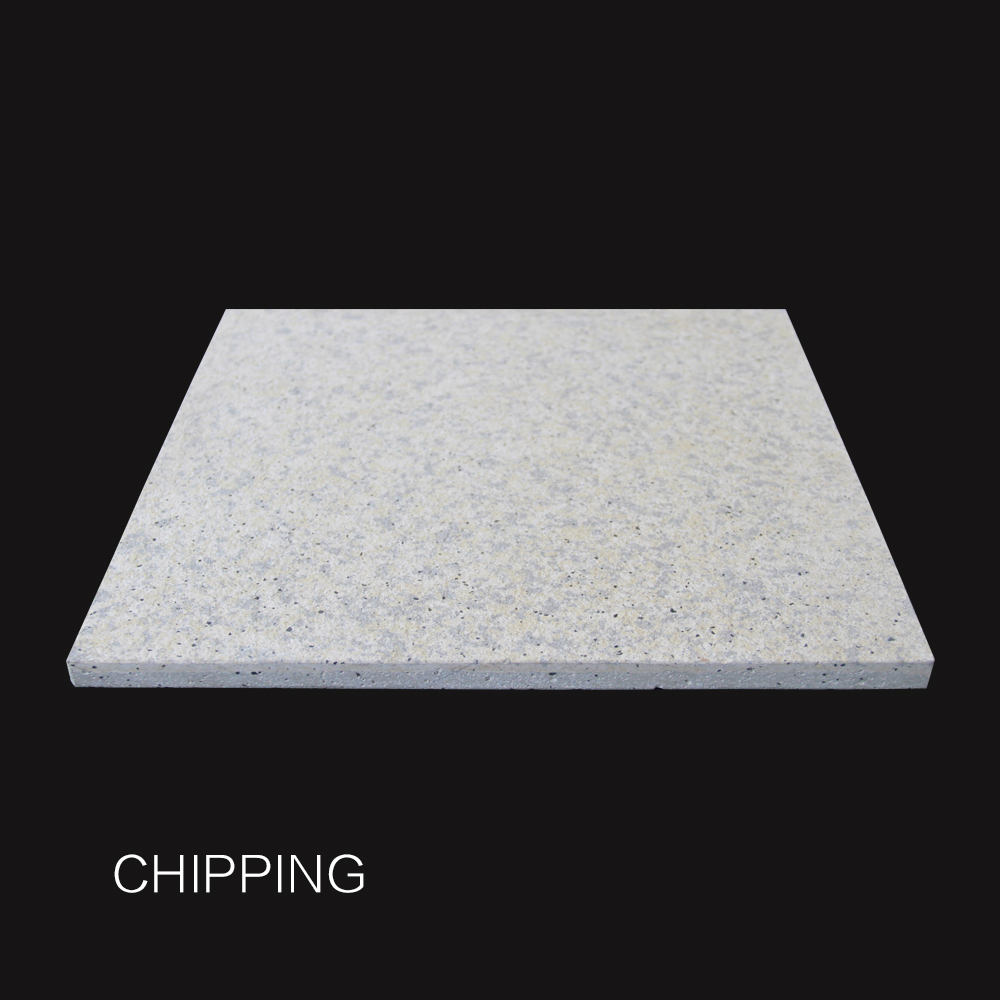
Summary Answer
In summary, **GFRC is a versatile and durable material suitable for residential building design**. It helps overcome common issues associated with traditional building materials and offers numerous aesthetic options. By using GFRC, architects can achieve lightweight structures without sacrificing strength or design quality.
1. Benefits of Using GFRC in Residential Design
1.1 Lightweight Properties
GFRC is significantly lighter than traditional concrete. This makes it easier to transport and install, reducing labor costs and risks of injury during handling.
1.2 Durability and Strength
GFRC provides excellent resistance to weathering, making it ideal for various climates. Its strength ensures that it can withstand pressures similar to traditional concrete.
1.3 Aesthetic Versatility
GFRC can be molded into various shapes and finishes. This allows for creative designs that can enhance the curb appeal of residential buildings.
1.4 Low Maintenance
GFRC requires less maintenance compared to other materials. It does not need regular sealing, making it a practical choice for homeowners.
1.5 Cost-Effectiveness
The initial cost of GFRC can be lower than traditional building materials when considered over the lifecycle. Reduced maintenance and energy costs add to overall savings.
1.6 Eco-Friendly Options
Many GFRC products are made from sustainable materials. This makes GFRC a more environmentally friendly option in residential building design.
2. Applications of GFRC in Residential Construction
2.1 Facade Design
GFRC panels can be used for exterior facades, providing a modern look that enhances any home. Its lightweight nature allows for easy installation without heavy framework.
2.2 Decorative Elements
Architects often use GFRC for decorative elements, such as moldings and columns. This adds character to homes without the weight of traditional materials.
2.3 Landscaping Features
GFRC is also used in landscaping components, such as planters and patio features. Its weather resistance ensures these additions last for many years.
2.4 Structural Components
GFRC can be utilized in structural elements, including walls and floors, contributing to the overall strength of the building.
3. Comparison to Traditional Materials
| Property |
GFRC |
Traditional Concrete |
| Weight |
Lightweight |
Heavy |
| Durability |
High Resistance |
Moderate Resistance |
| Maintenance |
Low |
High |
| Aesthetic Options |
Highly Versatile |
Limited |
Conclusion
GFRC is transforming residential building design by offering a lightweight, durable, and aesthetically pleasing alternative to traditional materials. Its unique properties enhance architectural creativity while reducing maintenance needs. This makes GFRC an excellent choice for contemporary homes, addressing common issues faced in construction.
FAQ
What does GFRC stand for? GFRC stands for Glass Fiber Reinforced Concrete.
Why choose GFRC over traditional concrete? GFRC is lighter, more versatile, and requires less maintenance, making it easier and cost-effective to use in residential designs.
Can GFRC be used for structural components? Yes, GFRC can be used in various structural components, including walls and floors.
Is GFRC a sustainable choice? Many GFRC products are made from sustainable materials, making them eco-friendly options.
How does GFRC improve design versatility? GFRC can be molded into various shapes and finishes, allowing for creative and unique designs.
What are the maintenance needs of GFRC? GFRC requires very low maintenance and does not need regular sealing.