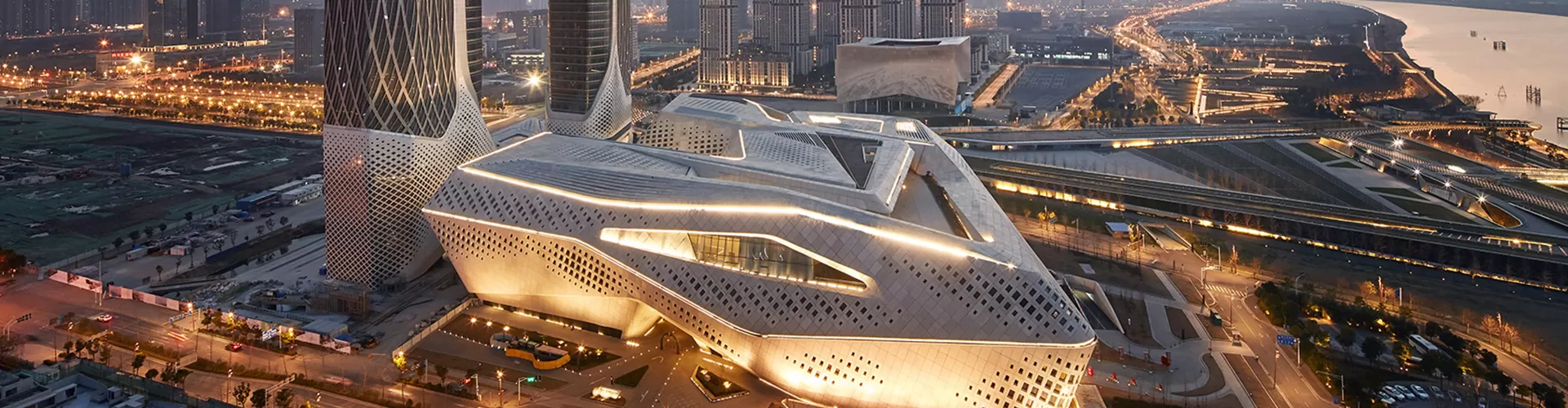
Understanding GFRC: What is It?
Definition and Composition
GFRC, or Glass Fiber Reinforced Concrete, is a composite material made with concrete, glass fibers, and other additives. It combines the strength of traditional concrete with the lightness and flexibility offered by glass fibers, making it ideal for various architectural applications.
Applications of GFRC
GFRC is commonly used in:
Traditional Concrete: An Overview
Definition and Composition
Traditional concrete is a composite material consisting of cement, water, sand, and aggregates. It is known for its durability and strength, making it a popular choice for construction projects.
Applications of Traditional Concrete
Applications include:
Key Differences Between GFRC and Traditional Concrete
Strength and Durability
GFRC offers comparable strength and enhanced durability due to the incorporation of glass fibers, while traditional concrete has excellent compressive strength but is prone to cracking.
Weight and Flexibility
GFRC is significantly lighter than traditional concrete, allowing for easier handling and installation. Its flexibility also permits intricate designs that are often difficult to achieve with traditional concrete.
Cost Considerations
GFRC may have a higher initial cost due to specialized materials and fabrication. However, its lightweight nature can lead to reduced shipping and labor costs, often balancing the budget in larger projects.
Installation Processes
Installation of GFRC can be more complex, requiring skilled labor for proper handling and application. Traditional concrete installation is more straightforward and commonly understood within the construction industry.
Performance Comparison Table
| Parameter | GFRC | Traditional Concrete |
|---|
| Weight | Lightweight | Heavy |
| Flexibility | High | Low |
| Crack Resistance | Superior | Moderate |
| Cost | Higher initial | Lower initial |
Challenges and Considerations
Potential Drawbacks of GFRC
While GFRC presents numerous advantages, potential drawbacks include:
Benefits of Traditional Concrete
Traditional concrete boasts the following benefits:
Recommendations for Appropriate Use
When to Choose GFRC
GFRC is ideal for projects requiring:
Architectural designs with complex shapes
Energy-efficient buildings
Weight restrictions for transportation and installation
When to Choose Traditional Concrete
Opt for traditional concrete for:
Large-scale infrastructure projects
Cost-effective solutions for simple design requirements
Applications requiring heavy-load bearing capabilities
Conclusion
Both GFRC and traditional concrete have their unique strengths and weaknesses, making them suitable for different applications in construction and design. Understanding these differences is key to making the right choices for your projects. For high-quality GFRC supplies and expert solutions, consider Jushui, your trusted GFRC supplier. Visit us at Jushui for more information.