Introduction
Glass Fiber Reinforced Concrete (GFRC) is known for its excellent impact resistance. This unique material combines concrete with glass fibers, making it stronger and more durable. Manufacturers are increasingly choosing GFRC for various applications in construction and design. Traditional concrete can crack under pressure, which exposes buildings to further damage. In contrast, GFRC holds up well against impacts, reducing maintenance costs and improving longevity. Designed for high-performance, glass fiber reinforcement enhances material properties that are vital for modern structures.
Summary Answer
Glass Fiber Reinforced Concrete offers superior impact resistance compared to traditional concrete, making it an ideal choice for construction projects requiring durability and strength.
1. Benefits of Glass Fiber Reinforced Concrete
- Increased Durability
GFRC can withstand significant stress without cracking. Studies show that GFRC structures last much longer than those built with regular concrete. They resist not only impacts but also harsh weather conditions.
- Lightweight Composition
GFRC is lighter than traditional concrete. This weight reduction allows for easier transportation and installation, making it cost-effective and versatile for various applications.
- Flexibility in Design
Due to its unique properties, GFRC can be molded into various shapes. Architects appreciate the creative freedom GFRC offers in construction, whether for decorative facades or structural elements.
2. Comparison with Traditional Concrete
| Property | Glass Fiber Reinforced Concrete | Traditional Concrete |
|---|
| Impact Resistance | High | Moderate |
| Weight | Lightweight | Heavy |
| Design Flexibility | High | Limited |
| Maintenance | Low | High |
3. GFRC in Real-world Applications
- Commercial Buildings
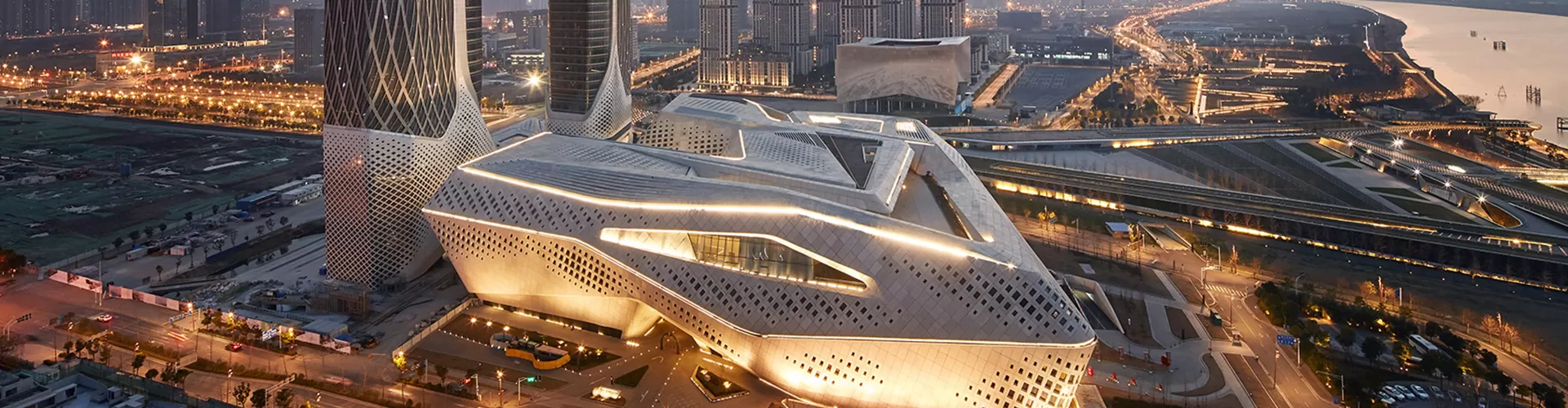
Many commercial buildings use GFRC for their facades. The impact resistance of GFRC allows these structures to maintain their appearance and integrity over time.
- Residential Projects
GFRC has become popular in residential construction for driveways and patios. It better withstands the everyday wear and tear than standard concrete.
- Art and Design Installations
Artists and designers often use GFRC in sculptures and installations. The material can replicate intricate details while providing strength and durability.
Conclusion
In the construction industry, the impact resistance of Glass Fiber Reinforced Concrete makes it a valuable alternative to traditional concrete. Its benefits, including durability, weight, and design flexibility, ensure it meets modern architectural needs. As manufacturers continue to adopt GFRC, it is clear that this innovative material will play a vital role in the future of construction.
FAQ
What is Glass Fiber Reinforced Concrete?
Glass Fiber Reinforced Concrete is a composite material made by combining conventional concrete with glass fibers, improving its tensile strength and durability.
How does GFRC compare to traditional concrete?
GFRC offers higher impact resistance, is lighter, and allows for more design flexibility compared to traditional concrete.
Is GFRC more expensive than regular concrete?
While GFRC can be more expensive upfront, its long-term durability can lead to lower maintenance costs and longer life spans, making it cost-effective over time.
Where can GFRC be applied?
GFRC can be applied in commercial buildings, residential projects, decorative facades, and art installations due to its strength and versatility.
How does the impact resistance of GFRC enhance safety?
The impact resistance of GFRC minimizes the risk of structural damage during events like earthquakes or floods, enhancing the safety and longevity of buildings.
How is GFRC created?
GFRC is created by mixing concrete with glass fibers and additives that enhance its properties, making it suitable for various construction applications.