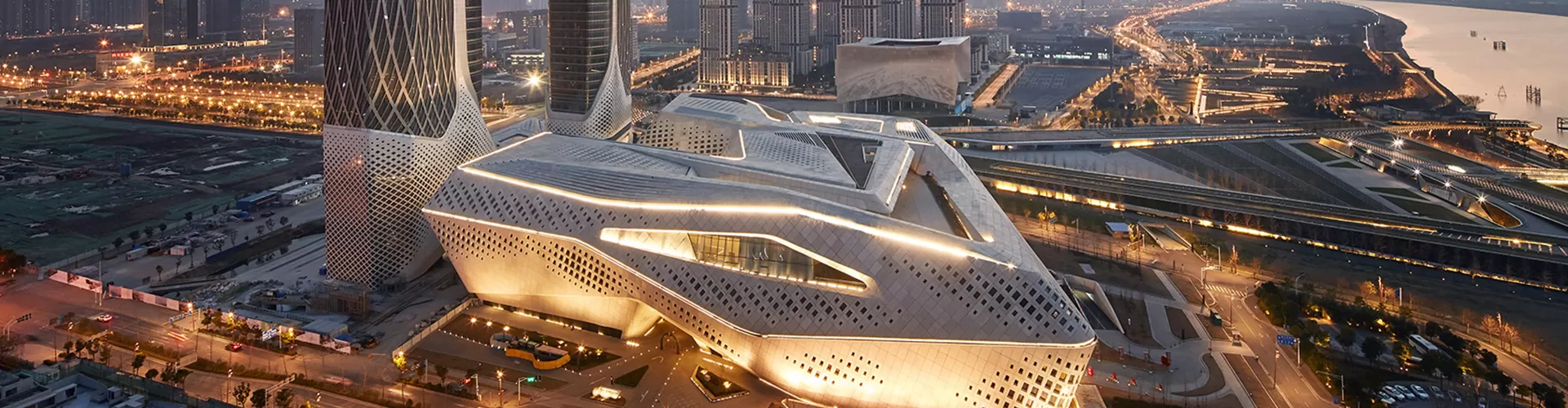
Glass Fiber Reinforced Concrete (GFRC) is a composite material that combines concrete with glass fibers, leading to a superior solution for various construction applications. Its remarkable strength, durability, and lightweight nature make it an ideal choice for architects and builders. In this article, we will explore the key properties of GFRC, answering common queries from consumers while emphasizing its practical advantages and applications.
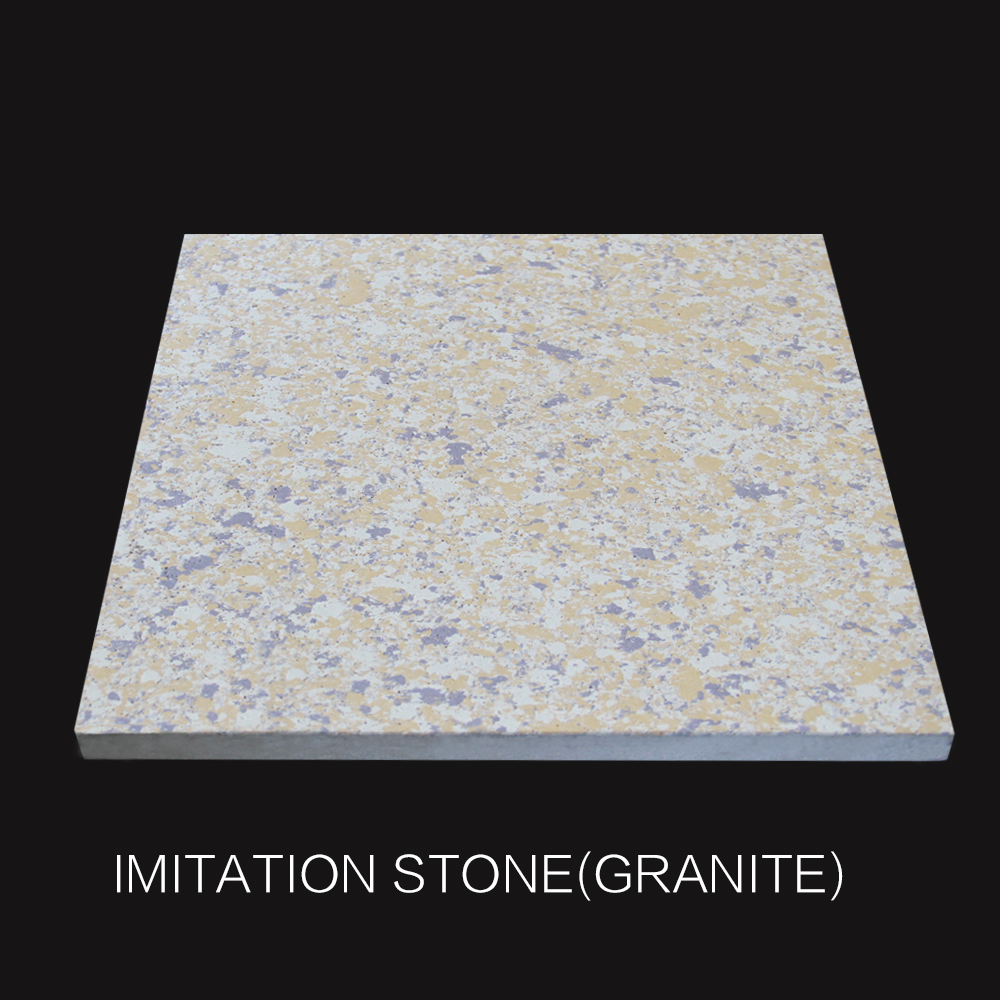
1. Strength and Durability
GFRC exhibits enhanced tensile strength compared to traditional concrete. This increased strength is due to the reinforcement provided by glass fibers, which help distribute loads across the material effectively.
Superior Load-Bearing Capacity
The load-bearing capacity of GFRC allows it to sustain heavier weights without cracking, making it suitable for high-traffic areas.
2. Lightweight Composition
Compared to standard concrete, GFRC is significantly lighter, which simplifies transportation, handling, and installation. Its lightweight nature does not compromise its structural integrity.
Ease of Installation
Due to its lightweight properties, GFRC can be installed quickly, reducing labor costs and time on job sites.
3. Versatility in Design
GFRC can be molded into various shapes and forms, providing architects with immense flexibility in design. This versatility opens doors to innovative structures and artistic finishes.
Customization Options
From intricate designs to standard panels, GFRC offers unique customization options that enhance aesthetics and functionality.
4. Resistance to Harsh Environments
GFRC is ideal for outdoor applications as it is highly resistant to weather, moisture, and UV rays. This property ensures longevity, especially in challenging climates.
Minimal Maintenance Required
The durability of GFRC means that maintenance is minimal, reducing long-term costs for property owners.
5. Environmental Benefits
Using GFRC can contribute positively to sustainable construction practices. It is often composed of recycled materials and can reduce the overall cement content in building processes.
Lower Carbon Footprint
GFRC\'s production process requires less energy compared to traditional concrete materials, significantly reducing its carbon footprint.
Comparison Table: GFRC vs. Traditional Concrete
| Property | GFRC | Traditional Concrete |
|---|
| Weight | Lightweight | Heavy |
| Tensile Strength | Higher | Lower |
| Flexibility in Design | High | Limited |
| Resistance | High (moisture, UV) | Medium |
| Environmental Impact | Lower | Higher |
Application Areas of GFRC
The properties of GFRC allow its application across various sectors. Below are some common uses:
Architectural Facades
Precast Panels
Decorative Elements
GRC Sculptures
Conclusion: Why Choose Glass Fiber Reinforced Concrete?
Glass Fiber Reinforced Concrete presents numerous advantages that make it an excellent construction material. Its strength, lightweight nature, versatility, and resistance to environmental factors enhance its appeal in modern architecture. As the construction industry continues to evolve, GFRC stands out as a sustainable, user-friendly option that meets the demands of innovative design.
For more information on GFRC and its applications, please visit Jushui, a leading manufacturer specializing in Glass Fiber Reinforced Concrete.