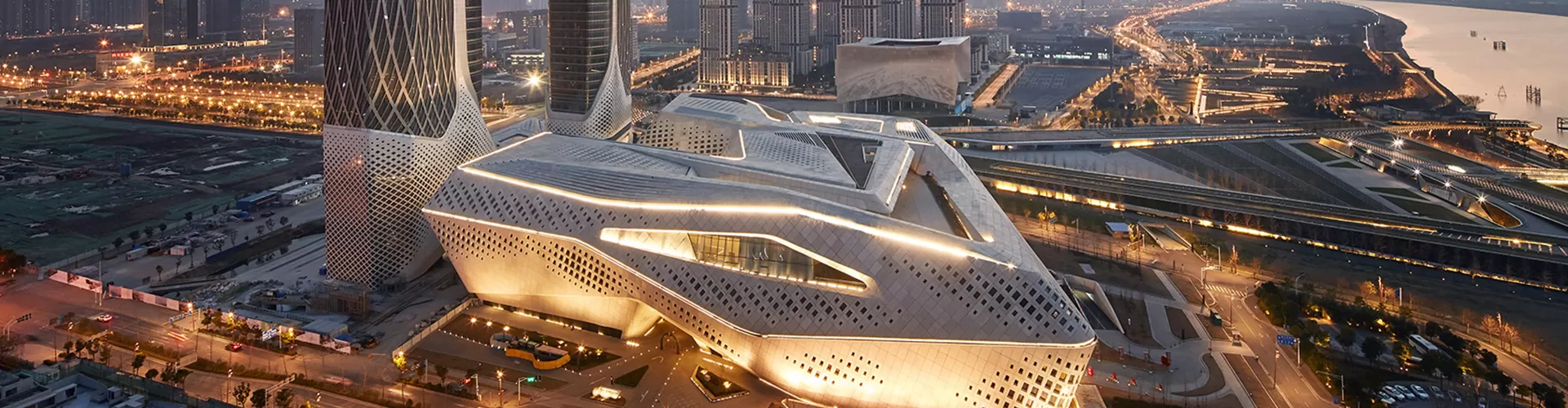
In the quest for sustainable construction solutions, Lightweight Construction has become a major focus. Glass Fiber Reinforced Concrete (GFRC) panels represent an innovative material that provides numerous benefits such as reduced weight, increased durability, and enhanced design flexibility. This article explores the advantages and applications of GFRC panels, addressing common concerns among builders and providing data-driven insights.
1. Benefits of Using GFRC Panels in Lightweight Construction
1.1 Reduced Weight for Easier Installation
GFRC panels are significantly lighter than traditional concrete, allowing for quicker and more efficient handling during installation. This weight reduction also contributes to lower transportation costs and less structural support required for buildings.
1.2 Enhanced Durability and Longevity
GFRC panels are resistant to cracking, moisture, and weather effects, making them an ideal choice for various climates. Their longevity extends the lifespan of buildings, minimizing maintenance costs over time.
1.3 Design Flexibility and Aesthetic Appeal
With the ability to create intricate designs and finishes, GFRC panels open up creative possibilities for architects and builders. They can mimic the appearance of natural stone, wood, and other materials, providing aesthetic value without compromising structural integrity.
1.4 Sustainable and Eco-Friendly Material
GFRC is often made from recycled materials and contributes to sustainable building practices. Its lightweight nature reduces energy consumption during manufacturing and transportation, making it a greener choice.
1.5 Cost Efficiency
Despite the upfront investment, the long-term savings associated with GFRC panels — including lowered labor costs and reduced maintenance expenses — make them a financially sound option for construction projects.
2. Comparing GFRC Panels to Traditional Building Materials
| Feature |
GFRC Panels |
Traditional Concrete |
| Weight |
50-75% lighter |
Heavier, requires more support |
| Durability |
Crack and moisture resistant |
Prone to cracking in certain conditions |
| Design Options |
Highly customizable |
Limited customization |
| Sustainability |
Eco-friendly options available |
More resource-intensive |
| Cost |
Competitive, with long-term savings |
Higher long-term maintenance costs |
3. Applications of GFRC Panels in Construction
3.1 Commercial Building Facades
GFRC panels are widely used in commercial construction for their lightweight nature and aesthetic versatility. They can create stunning facades that enhance the appearance of shopping centers, corporate offices, and cultural institutions.
3.2 Residential Properties
Homebuilders are increasingly utilizing GFRC panels in new developments, taking advantage of their efficient installation process and reduced structural requirements. This method promotes quicker project turnaround times.
3.3 Landscaping and Architectural Features
GFRC panels can be employed for outdoor features, such as garden walls, benches, and monuments. Their weather resistance makes them suitable for various exterior applications.
4. Understanding the Installation Process
4.1 Step-by-Step Flow Chart for Installation
Installing GFRC panels involves several critical steps:
- Step 1: Site Preparation - Ensure the surface is clean and level.
- Step 2: Frame Installation - Set up structural supports as needed.
- Step 3: Panel Cutting - Cut GFRC panels to required dimensions.
- Step 4: Panel Placement - Position panels carefully onto the frame.
- Step 5: Finishing - Apply necessary sealants and finishes for optimal performance.
5. Addressing Common Concerns with GFRC
5.1 Can GFRC Panels Be Used in Extreme Weather?
Yes, GFRC panels are explicitly designed to withstand harsh weather conditions. Their unique composition provides high resistance to moisture, temperature fluctuations, and UV damage.
5.2 What Are the Maintenance Requirements for GFRC Panels?
GFRC panels require minimal maintenance compared to traditional concrete. Regular cleaning and inspection can enhance their appearance and prolong their lifespan.
5.3 Is GFRC Environmentally Friendly?
GFRC can be environmentally friendly, especially when manufactured using recycled materials. Its lightweight design also contributes to lower energy consumption in manufacturing and transportation.
Conclusion: Embracing the Future with GFRC Panels
GFRC panels represent a transformative shift in building practices, offering a lightweight, durable, and aesthetically appealing option for constructors and architects alike. As sustainability continues to be a priority in the construction industry, embracing GFRC is not only a smart choice but also a commitment to environmentally responsible building solutions. Investing in GFRC panels could be key to staying ahead in today’s competitive market and delivering superior construction outcomes.