Introduction
The mechanical properties of Glass Fiber Reinforced Concrete (GFRC) play a crucial role in various construction applications. Understanding these properties can help in making informed choices for building materials. GFRC is known for its high strength-to-weight ratio, durability, and resistance to cracking. These key features make it a favorite among architects and engineers alike. Additionally, GFRC helps increase the longevity of structures, reduces maintenance costs, and offers flexibility in design. As technology advances, manufacturers continue to enhance these characteristics, further solidifying GFRC\'s position in the construction industry. 
Summary Answer
GFRC exhibits exceptional mechanical properties, including high tensile strength, low weight, and resistance to environmental factors, making it an excellent choice for various construction needs.
1. Key Mechanical Properties of GFRC
1.1 High Tensile Strength
GFRC offers remarkable tensile strength compared to traditional concrete. It can withstand significant tension, which makes it ideal for thin and lightweight applications.
1.2 Low Weight
One of the key advantages of GFRC is its low weight. This feature reduces the load on structural frameworks, making transportation and installation easier.
1.3 Durability
GFRC is highly durable and resistant to weathering, chemicals, and freeze-thaw cycles. Its longevity makes it a worthwhile investment in construction projects.
2. Advantages of GFRC in Construction
2.1 Versatile Design Options
GFRC can be molded into various shapes and sizes, allowing architects to explore creative designs without compromising strength.
2.2 Cost-Effectiveness
Although GFRC may have a higher initial cost, its long-lasting qualities lead to lower maintenance expenses over time. This cost-effectiveness is particularly beneficial for large projects.
2.3 Sustainable Construction
GFRC contributes to sustainable building practices. Its lightweight nature reduces energy consumption during transport and installation.
3. Comparison of GFRC with Traditional Concrete
| Property | GFRC | Traditional Concrete |
|---|
| Tensile Strength | 4,000 psi | 500 psi |
| Weight | 50% lighter | N/A |
| Durability | High | Moderate |
4. Applications of GFRC
4.1 Architectural Facades
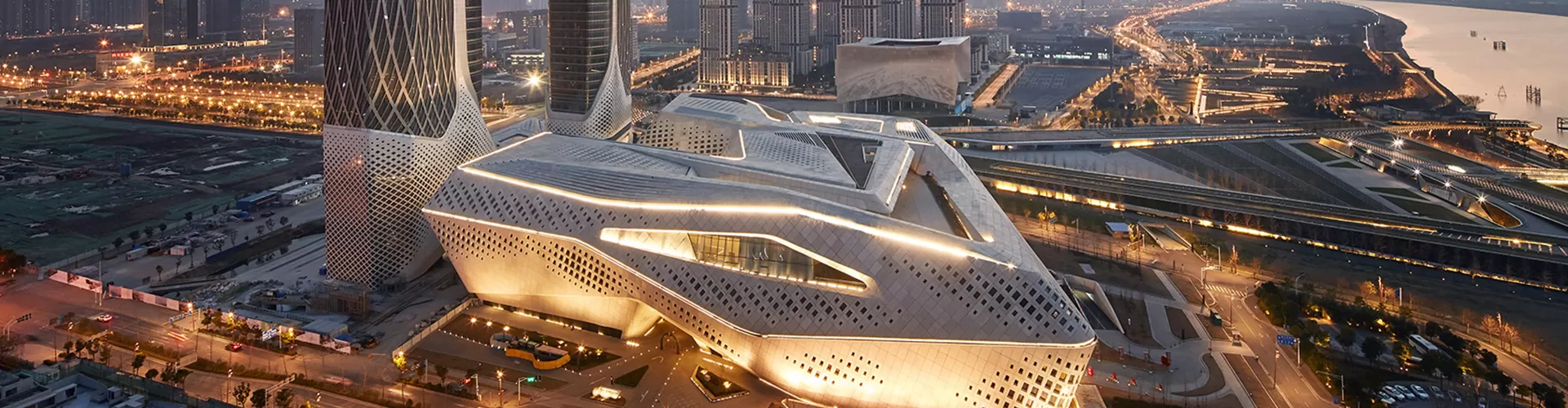
Many buildings utilize GFRC for their facades. Its aesthetic appeal and durability make it a popular choice among architects.
4.2 Decorative Elements
GFRC is often used in the production of decorative elements, such as sculptures and ornamental details. Its versatility allows artists and designers to thrive.
4.3 Infrastructure Projects
In infrastructure, GFRC is employed in various applications, including bridges and retaining walls, thanks to its strength and longevity.
Conclusion
In summary, the mechanical properties of Glass Fiber Reinforced Concrete (GFRC) provide numerous benefits that enhance its performance in construction. With high tensile strength, low weight, and impressive durability, GFRC stands out as an excellent choice for various applications. Understanding these properties can help professionals in the construction industry select the right materials for their projects.
FAQ
What is GFRC?
GFRC stands for Glass Fiber Reinforced Concrete. It is a composite material made from concrete and glass fibers.
What are the main benefits of using GFRC?
The main benefits include high strength, low weight, durability, and versatile design options.
Is GFRC more expensive than traditional concrete?
While GFRC may have a higher initial cost, it can be more cost-effective in the long run due to lower maintenance needs.
Can GFRC be used in outdoor applications?
Yes, GFRC is suitable for outdoor use because of its durability and resistance to environmental factors.
What industries use GFRC?
GFRC is widely used in construction, architecture, infrastructure, and decorative arts.