Quality control standards in Glass Fiber Reinforced Concrete (GFRC) production are crucial for ensuring both durability and aesthetic excellence in the final products. Overseas buyers and distributors seek reliable quality assurance processes, as these standards directly impact the performance characteristics, lifespan, and visual appeal of GFRC materials. This article outlines the essential components of quality control in GFRC production, providing insight into the key areas that manufacturers like Jushui must focus on to meet international standards and customer expectations.
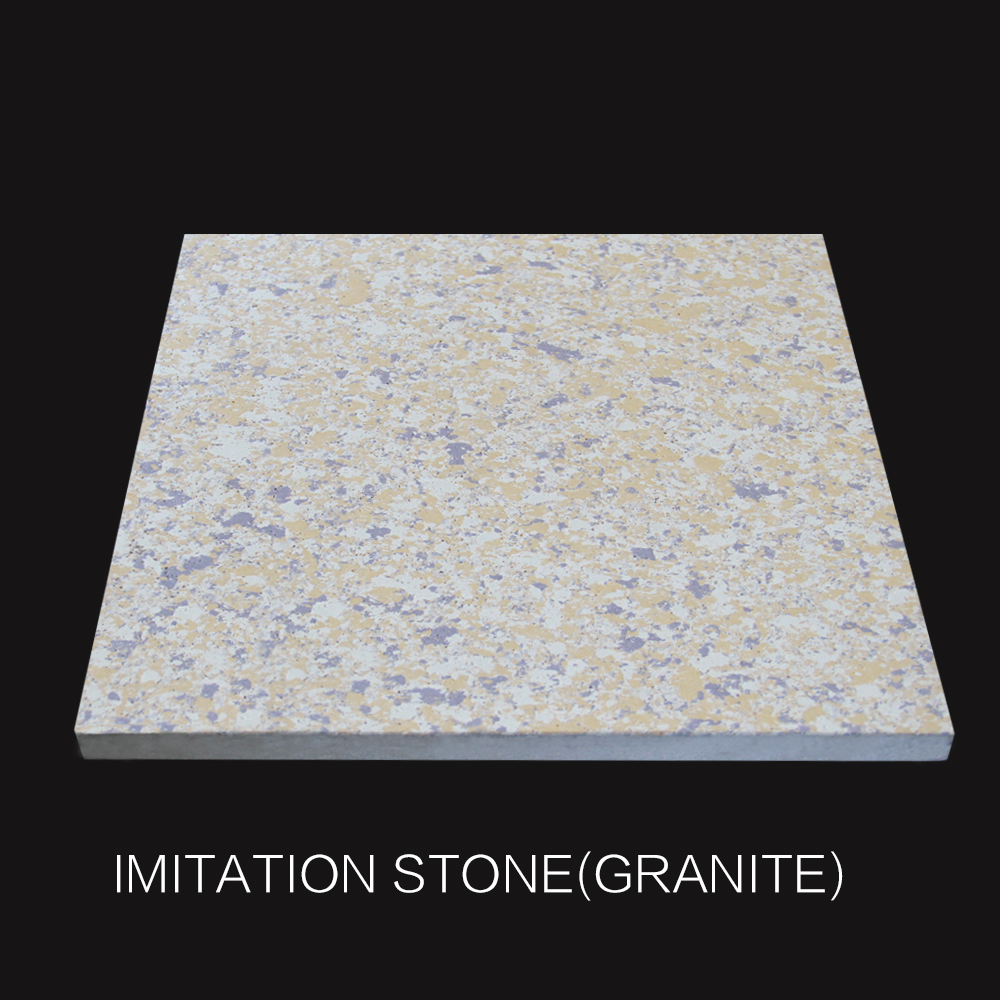
1. Essential Quality Control Components in GFRC Production
1.1 Raw Material Inspection
Quality begins with the selection of raw materials. Various components, such as cement, sand, fiberglass, and additives, must be scrutinized to meet specific criteria. Implementing strict specifications for raw materials can prevent future issues like cracking or poor adhesion.
1.2 Mixing Processes
The mixing process is vital to ensure uniformity and performance. Precise ratios of materials must be maintained, and the mixing process should be monitored for consistency to ensure that the final product meets strength requirements.
1.3 Molding Techniques
Molding is where the GFRC takes shape. Ensuring accuracy in mold design and manufacturing helps reduce defects and enhances the aesthetic finish of the product. Regular checks on mold dimensions should be included in the quality control plan.
1.4 Curing Conditions
Curing plays a significant role in achieving the desired mechanical properties of GFRC. Monitoring environmental conditions like temperature and humidity can directly influence curing effectiveness, leading to better performance metrics.
1.5 Final Product Testing
Testing the final product is crucial. Key performance indicators, such as compressive strength, tensile strength, and water absorption rates, should meet the specified standards before products are shipped to clients.
| Quality Control Aspect | Importance | Standard Requirements |
|---|
| Raw Material Inspection | Ensures quality starts from the source | Meet ASTM Standard C150 |
| Mixing Processes | Ensures product performance consistency | Maintain ratios within ±1% |
| Molding Techniques | Reduces defects | Dimensional accuracy within ±0.5% |
| Curing Conditions | Affects mechanical properties | Temperature: 20-25°C; Humidity: 60-70% |
| Final Product Testing | Verifies compliance with standards | ASHRAE, ASTM standards |
2. The Importance of Quality Control in Enhancing Durability
2.1 Strength and Longevity
Adhering to quality control standards significantly boosts the strength and longevity of GFRC products. Quality raw materials combined with appropriate mixing techniques can yield a product with impressive durability, leading to lower lifecycle costs for customers.
2.2 Resistance to Environmental Factors
Ensuring proper curing and robust materials makes GFRC resistant to weather extremes, ensuring it holds up against environmental stressors such as freeze-thaw cycles, UV radiation, and moisture.
2.3 Consistent Aesthetic Quality
Quality control measures also ensure that the aesthetic aspects of GFRC products remain consistent across batches. Uniform color, texture, and finishing help maintain a positive brand image and customer satisfaction.
3. Steps for Implementing Quality Control in GFRC Production
3.1 Define Quality Standards
Setting clear quality standards based on industry benchmarks is the first step toward effective quality control in GFRC production. These standards should be communicated to all team members to ensure alignment.
3.2 Train Personnel
Staff should receive training on quality control procedures specific to GFRC production. Understanding the standards and techniques will optimize compliance and foster a culture of quality.
3.3 Monitor Production
Regular monitoring of production processes is essential for identifying potential issues before they escalate. Utilizing digital tools can help streamline monitoring and management.
3.4 Evaluate Supplier Quality
Evaluating the quality of raw material suppliers is crucial. Establish partnerships with suppliers who consistently meet quality standards and can provide certifications for their materials.
3.5 Document and Review
Maintain detailed records of all quality control processes and results. Conduct regular reviews to identify areas for improvement and ensure standards are consistently met.
4. Case Studies: Successful Implementation of Quality Control Standards
4.1 Jushui Production Success
At Jushui, implementing stringent quality control measures resulted in a 30% reduction in product defects. By focusing on raw material inspection and rigorous final testing, the company gained a reputation for high-quality GFRC products.
4.2 Comparative Results with Non-Compliant Producers
Analyzing production results from compliant versus non-compliant manufacturers reveals noticeable differences. Compliant producers tend to have 15% higher overall customer satisfaction scores due to fewer issues in product reliability.
5. Conclusion: The Future of Quality Control in GFRC Production
Quality control standards in GFRC production are more critical than ever as demand grows for durable and aesthetically pleasing materials. For manufacturers like Jushui, establishing and maintaining these standards will not only enhance product offerings but also foster long-lasting relationships with overseas buyers and distributors. By adhering to rigorous quality control processes, companies can position themselves as leaders in the GFRC market, ensuring their products meet the highest expectations.