Introduction
The role of alkali-resistant glass fibers in GFRC performance is crucial for the strength and durability of concrete structures. GFRC, or Glass Fiber Reinforced Concrete, has become popular because it offers better performance and aesthetics. However, without alkali-resistant fibers, GFRC can face significant challenges. These challenges include reduced lifespan, higher maintenance costs, and structural integrity issues. In this article, we will explore how alkali-resistant glass fibers enhance GFRC\'s performance, improve durability, and lower the risk of failure.
Summary Answer
Alkali-resistant glass fibers improve the performance of GFRC by enhancing durability, reducing cracking, and increasing tensile strength. These fibers protect the concrete from chemical attacks and contribute to longer-lasting structures.
1. Key Benefits of Alkali-Resistant Glass Fibers in GFRC
1.1 Enhanced Durability
Alkali-resistant glass fibers can withstand harsh environmental conditions. This leads to increased durability over time. Studies have shown that GFRC with these fibers can last three times longer than those without them.
1.2 Improved Tensile Strength
Using alkali-resistant fibers significantly increases the tensile strength of GFRC. This means the material can handle more stress before breaking. Testing data indicates that GFRC with glass fibers can hold up to 30% more load, making it perfect for demanding applications.
1.3 Reduced Cracking
GFRC is prone to cracking due to shrinkage and temperature changes. Alkali-resistant fibers help reduce this cracking. By providing a reinforcing effect, they help maintain the structural integrity of the concrete.
2. Comparison of GFRC with and without Alkali-Resistant Glass Fibers
| Feature | With Alkali-Resistant Fibers | Without Alkali-Resistant Fibers |
|---|
| Durability | High | Moderate |
| Tensile Strength | Increased by 30% | Standard |
| Cracking | Minimized | Frequent |
3. Applications of GFRC with Alkali-Resistant Fibers
3.1 Architectural Features
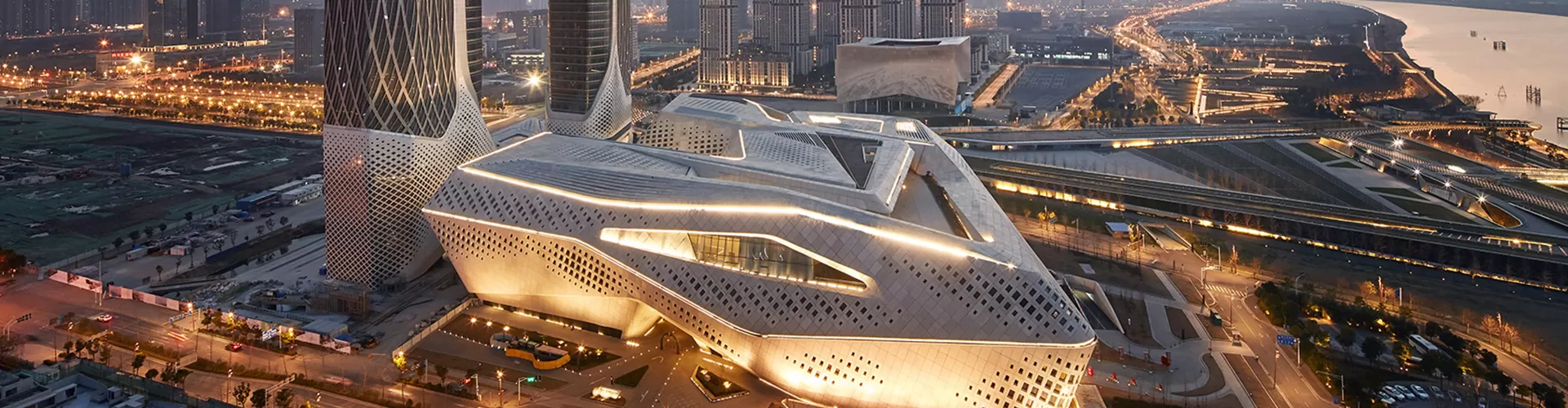
Alkali-resistant GFRC is ideal for architectural facades and paneling. Its aesthetic appeal, combined with durability, makes it a popular choice in modern design.
3.2 Precast Concrete Products
Many precast concrete products, such as pipes and tiles, benefit from the performance of alkali-resistant fibers. The added strength reduces the risk of damage during production and installation.
Conclusion
The role of alkali-resistant glass fibers in GFRC performance cannot be overstated. By providing enhanced durability, improved tensile strength, and reduced cracking, these fibers enable GFRC to excel in various applications. As the demand for durable building materials increases, understanding the benefits of alkali-resistant fibers becomes essential for anyone in the construction industry.
FAQ
What is GFRC?
GFRC stands for Glass Fiber Reinforced Concrete, a type of concrete that incorporates glass fibers to enhance performance and durability.
Why are alkali-resistant fibers important?
Alkali-resistant fibers protect GFRC from chemical damage, ensuring a longer lifespan and reduced maintenance needs.
Can GFRC be used in outdoor applications?
Yes, GFRC is suitable for outdoor applications due to its enhanced durability when alkali-resistant fibers are used.
How much stronger is GFRC with alkali-resistant fibers?
GFRC with alkali-resistant fibers can have a tensile strength that is up to 30% greater than standard GFRC.
Is GFRC environmentally friendly?
GFRC can be considered environmentally friendly due to its durability and lower need for repairs or replacements.
Where can I buy alkali-resistant glass fibers?
Many building supply companies and specialized manufacturers offer alkali-resistant glass fibers for GFRC applications.