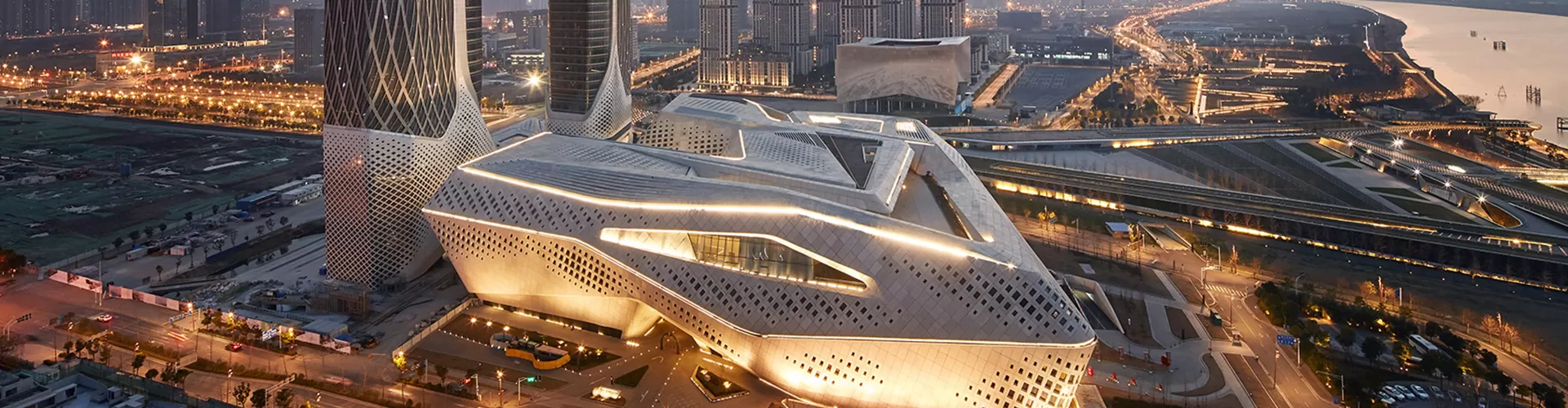
As the demand for sustainable and durable building materials continues to rise, Glass Fiber Reinforced Concrete (GFRC) stands out as a preferred choice. Companies involved in construction and architecture require innovative solutions to enhance structural integrity and aesthetic appeal. This article delves into effective strategies to scale GFRC manufacturing for large-scale commercial projects, addressing common challenges and providing actionable insights.
1. Understanding GFRC and Its Advantages
GFRC combines concrete with glass fibers, resulting in a lightweight yet robust material. This innovation serves various commercial applications, influencing both efficiency and design flexibility.
1.1 Benefits of GFRC in Construction
GFRC offers several advantages over traditional concrete.
Lightweight: Reduces the load on structures.
Durable: Resists cracking and weather damage.
Versatile: Can be molded into various shapes and sizes.
Eco-Friendly: Less energy-intensive to produce.
1.2 Demand in Commercial Projects
The growing trend towards sustainable construction materials is pushing up the demand for GFRC. Real estate developers and architects increasingly prefer GFRC for facades, countertops, and architectural elements.
2. Challenges in Scaling Up GFRC Production
While the advantages are clear, scaling up GFRC manufacturing comes with its own set of challenges.
2.1 Supply Chain Management
Ensuring a steady supply of raw materials is crucial for uninterrupted production. Disruptions can lead to project delays and increased costs.
2.2 Technical Expertise
The manufacturing process for GFRC requires specialized knowledge in concrete technology and glass fiber applications. There’s a need for skilled labor to handle the implementation and quality control.
2.3 Quality Assurance
Establishing rigorous quality assurance protocols is insufficient. Consistent product quality is critical in maintaining client trust and meeting structural standards.
3. Steps to Scale GFRC Manufacturing
To effectively scale GFRC production, companies should consider a structured approach.
3.1 Assess Current Capabilities
Evaluating existing production capabilities is the first step. This involves analyzing current output and identifying limiting factors.
3.2 Invest in Technology
Investing in advanced manufacturing technology can enhance efficiency. Automated mixing and curing systems can significantly increase production rates.
3.3 Training Programs for Staff
Implementing comprehensive training programs will equip staff with the necessary skills in GFRC manufacturing techniques and safety protocols.
4. Strategic Marketing and Sales Approaches
Marketing GFRC products effectively is crucial to attracting new clients.
4.1 Identifying Target Markets
Focus on industries that utilize GFRC, such as construction, architecture, and landscaping. Tailoring marketing strategies to these sectors can yield better results.
4.2 Building Relationships
Networking with architects, builders, and contractors can facilitate partnerships that lead to increased orders for commercial projects.
5. Success Stories in GFRC Scaling
To understand the impact of scaling, consider the following case studies.
| Company Name | Project Type | Scale of Production | Outcome |
|---|
| Jushui | High-rise Facade | 2000 sqm | Enhanced structural stability and aesthetic value |
| XYZ Ltd. | Commercial Plaza | 1500 sqm | Cost savings and reduced weight |
6. Future Trends in GFRC Manufacturing
Looking ahead, several trends may influence GFRC manufacturing.
6.1 Sustainability Initiatives
With an increased focus on sustainability, innovations in eco-friendly GFRC formulations are expected to grow, appealing to environmentally conscious clients.
6.2 Technological Advancements
Emerging technologies such as 3D printing may transform GFRC production processes, allowing for more intricate designs and less waste.
6.3 Global Market Growth
The international market for GFRC continues to expand, presenting opportunities for manufacturers to introduce their products to emerging economies.