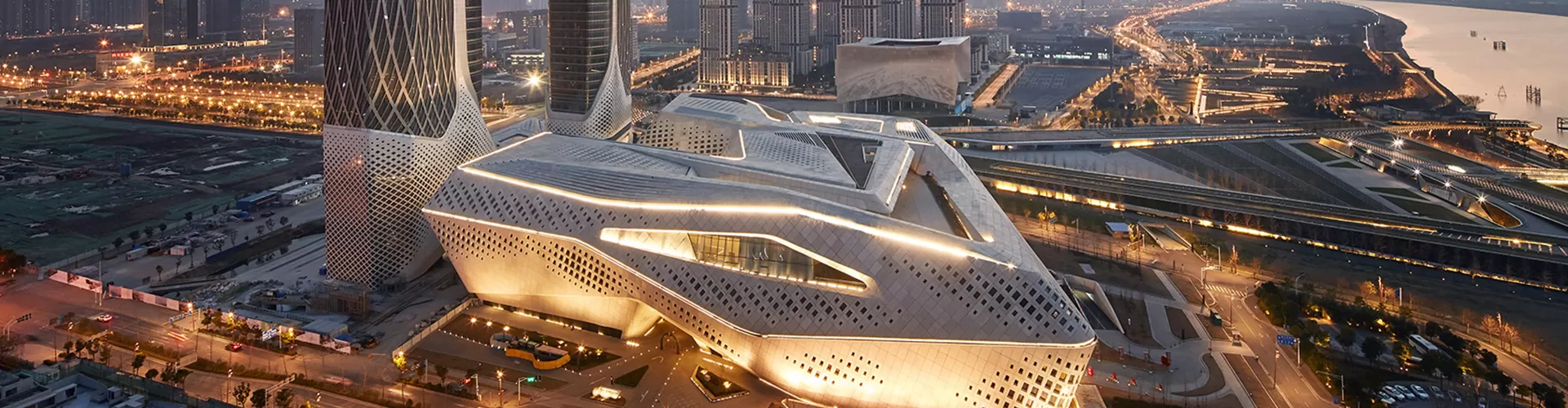
Glass Fiber Reinforced Concrete (GFRC) is a composite material that has transformed the construction industry by providing lightweight, durable, and aesthetically pleasing products. Understanding the GFRC manufacturing process can help overseas buyers and distributors appreciate its advantages and ensure they are sourcing the best products. In this article, we will explore the GFRC manufacturing process step-by-step, addressing common questions and pain points while ensuring that you have a comprehensive grasp of this innovative material.
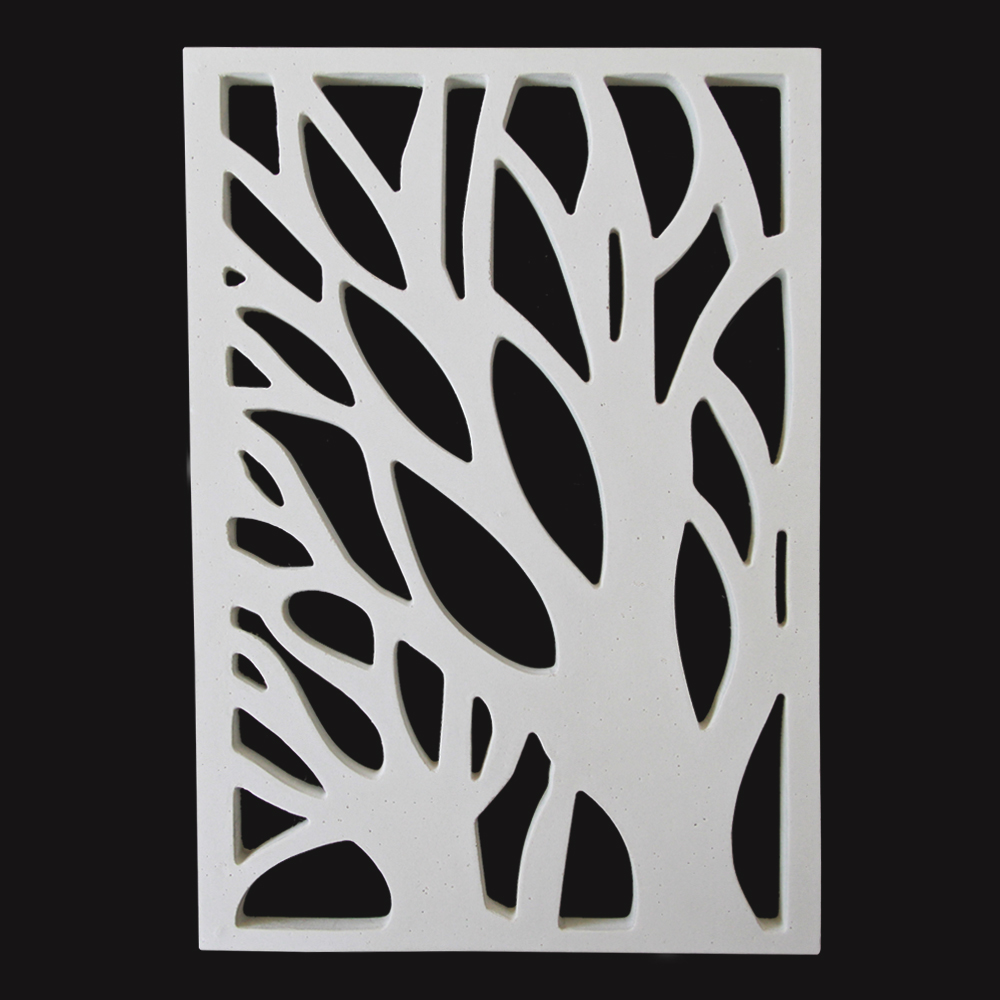
1. Understanding the Ingredients of GFRC
GFRC is composed of several key ingredients that work together to create a strong and resilient composite. The primary components include:
1.1 Cement
Cement serves as the main binding agent in GFRC. It provides structural integrity and strength to the final product.
1.2 Glass Fibers
Glass fibers are added to enhance tensile strength and improve the product\'s resistance to cracking and damage.
1.3 Aggregates
Fine aggregates like sand provide bulk and texture, influencing the final appearance of GFRC.
1.4 Additives
Additives such as superplasticizers improve workability, while other chemical agents may enhance curing time or durability.
2. GFRC Manufacturing Process: A Step-by-Step Overview
The process of manufacturing GFRC involves several critical steps. Here’s a structured approach detailing each phase:
2.1 Step 1: Mixing
Combine cement, aggregates, and additives in a large mixer.
Gradually add water to achieve the desired consistency.
Integrate glass fibers while ensuring even distribution throughout the mixture.
2.2 Step 2: Molding
Pour the GFRC mixture into pre-designed molds.
Utilize vibration techniques to eliminate air pockets and ensure a dense finish.
Apply a surface finish or texture as needed before curing.
2.3 Step 3: Curing
2.4 Step 4: Demolding
2.5 Step 5: Finishing Touches
2.6 Step 6: Packaging and Delivery
3. Common Challenges in GFRC Manufacturing
While GFRC manufacturing offers many benefits, several challenges can arise. These include:
3.1 Quality Control Issues
Ensuring consistent quality can be difficult, especially when scaling production. Regular tests and standards should be implemented.
3.2 Handling and Transportation
GFRC, while durable, is also vulnerable to chips and cracks during transport. Proper packaging is essential to mitigate damage.
4. A Comparative Look at GFRC vs. Traditional Concrete
| Aspect | GFRC | Traditional Concrete |
|---|
| Weight | Lightweight | Heavy |
| Strength | High tensile strength | Compressive strength |
| Design Flexibility | Highly versatile | Limited |
| Durability | Resistant to cracking | Prone to cracks |
5. Conclusion: Why Choose GFRC for Your Next Project
Understanding the GFRC manufacturing process equips buyers and distributors with the knowledge they need to make informed decisions. The lightweight, durable properties of GFRC make it an excellent choice for a variety of architectural applications. As you consider options for your projects, remember the advantages that GFRC offers over traditional concrete methods. For high-quality GFRC materials, turn to Jushui, a trusted leader in the industry.