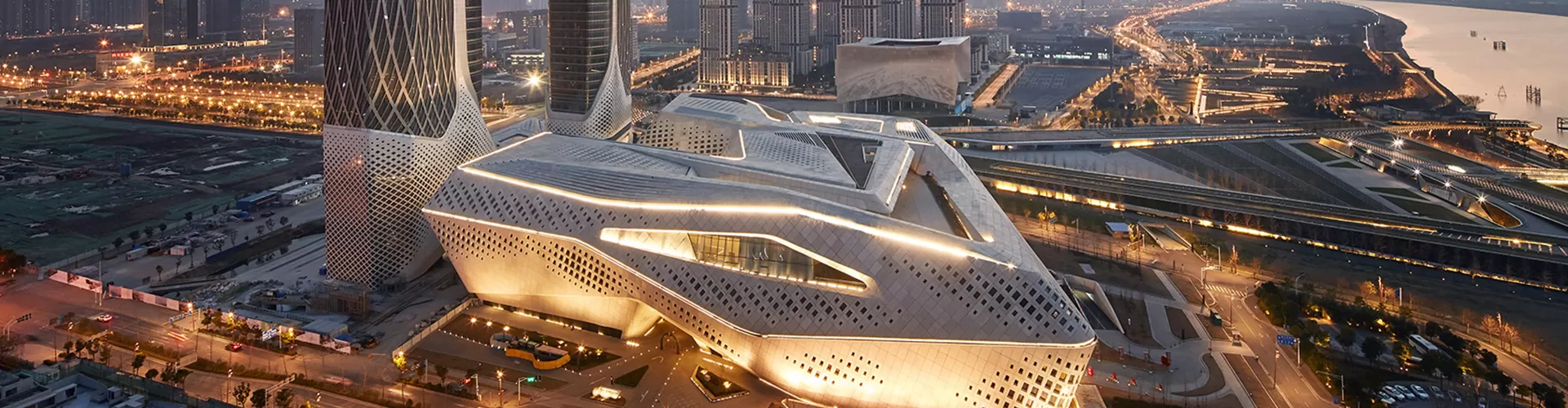
Glass Fiber Reinforced Concrete (GFRC) panels are increasingly popular due to their strength, lightweight properties, and design versatility. However, understanding structural design considerations is crucial for maximizing their performance and ensuring compliance with safety standards. In this article, we address common user pain points regarding GFRC panels, providing insights to guide both manufacturers and distributors in optimizing their use. Key design factors include load-bearing capacity, reinforcement strategies, and aesthetic considerations.
1. Load-Bearing Capacity of GFRC Panels
The load-bearing capacity is one of the primary considerations when designing GFRC panels. This aspect impacts their application in construction and overall stability.
1.1 Factors Influencing Load Capacity
Several factors can influence the load-bearing capacity of GFRC panels:
- Thickness of the panel
- Type and amount of reinforcement fibers
- Concrete mix design
1.2 Load Testing Standards
It is essential to conduct load tests according to industry standards to evaluate the capacity of GFRC panels effectively. Following standards such as ASTM C1396 ensures structural integrity.
2. Reinforcement Strategies for GFRC Panels
Effective reinforcement is critical for enhancing the durability and tensile strength of GFRC panels.
2.1 Types of Reinforcements
Different reinforcement strategies can be employed:
- Steel reinforcing bars (rebar)
- Glass fibers
- Polypropylene fibers
2.2 Optimal Reinforcement Ratios
Maintaining the proper ratio of glass fibers to concrete mix can prevent cracking and improve the overall performance of GFRC panels.
3. Aesthetic Considerations in GFRC Panel Design
GFRC panels offer unique design opportunities, encouraging creativity while ensuring functionality.
3.1 Texture and Finish Options
Designers can choose from various textures and finishes, including:
- Smooth finishes for a modern look
- Textured surfaces for enhanced visual appeal
3.2 Color Customization
The integration of pigments allows for a wide range of color customization in GFRC panels to suit specific architectural needs.
4. Environmental Performance Considerations
GFRC panels are not only durable but also environmentally friendly, appealing to modern sustainable building practices.
4.1 Sustainable Materials
Utilizing recycled materials in the concrete mix can enhance the sustainability of GFRC panels.
4.2 Energy Efficiency
Proper insulation and aesthetic design can contribute significantly to a building\'s energy efficiency, providing a dual benefit of design and function.
5. Installation and Maintenance of GFRC Panels
Correct installation techniques and maintenance strategies are essential in prolonging the life of GFRC panels.
5.1 Installation Best Practices
Following best practices during installation, such as allowing proper curing time and ensuring adequate support, can minimize future issues.
5.2 Routine Maintenance Procedures
Implementing regular maintenance checks and cleaning can prevent damage to the panels and maintain their aesthetics over time.
Comparison Table of GFRC vs. Traditional Concrete Panels
| Property |
GFRC Panels |
Traditional Concrete Panels |
| Weight |
Lightweight |
Heavy |
| Tensile Strength |
High |
Moderate |
| Design Flexibility |
High |
Limited |
| Durability |
Excellent |
Good |
Step-by-Step Process for Designing GFRC Panels
Consider a systematic approach to GFRC panel design:
- Define load requirements
- Select reinforcement method
- Choose aesthetic and environmental features
- Test design with simulations
- Finalize production specifications
- Implement installation procedures
Summary of Key Considerations
Designing GFRC panels involves a thorough understanding of structural integrity, reinforcement techniques, aesthetic possibilities, and environmental impact. By addressing these considerations comprehensively, manufacturers can enhance their product offerings, ensuring compliance and satisfaction among overseas buyers and distributors.
Visual Representation of Structural Designs
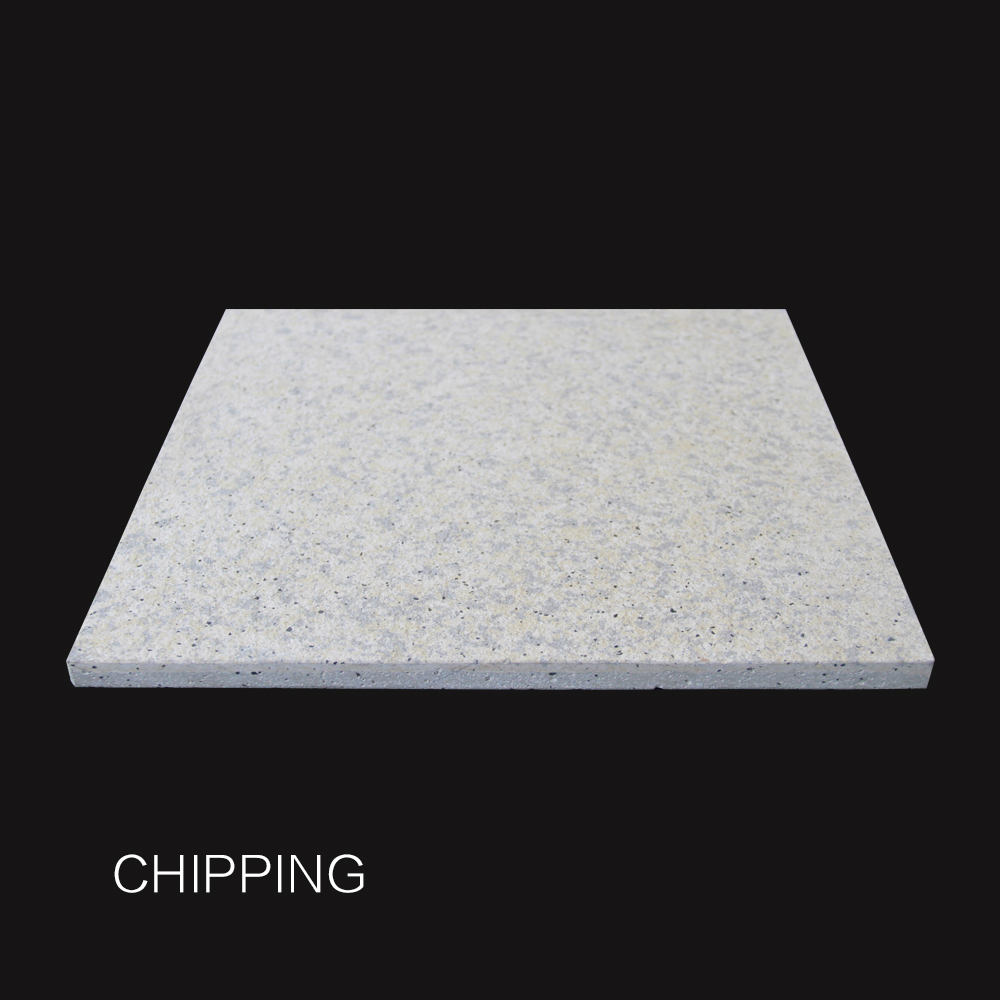
In conclusion, successfully leveraging GFRC panels in construction requires careful planning, thorough knowledge of structural design considerations, and adherence to quality standards. As manufacturers, investing time and resources into understanding these factors can lead to superior products that stand the test of time.