Glass Fiber Reinforced Concrete (GFRC) panels are increasingly popular in construction for their strength and versatility. One of the key concerns among architects and builders is the surface finishing techniques that enhance both the aesthetic appeal and longevity of these panels. Whether you are sourcing GFRC for a residential project or a commercial building, understanding the various surface finishing techniques can greatly impact your choice. Here, we explore the top techniques and how they address common pain points in surface finishing.
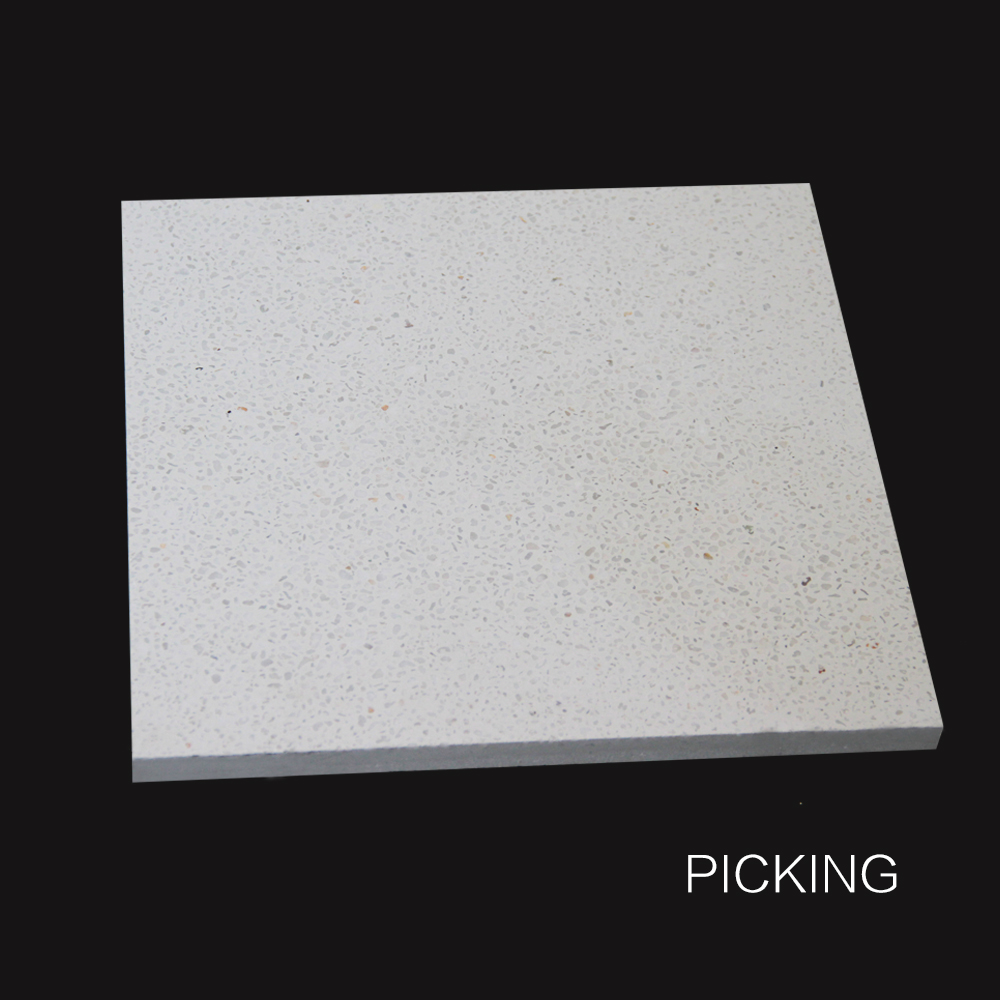
1. Common Surface Finishing Techniques for GFRC Panels
1.1 Sprayed Finish
This technique involves using a spray gun to apply a mix of cement, pigments, and water to the GFRC surface. It creates a textured and aesthetic finish that mimics natural materials such as stone or wood.
1.2 Sandblasting
Sandblasting provides a rough texture to the GFRC surface, enhancing grip and visual complexity. It is often used for exterior applications to achieve an industrial look.
1.3 Polished Finish
Polishing GFRC panels involves grinding and using fine abrasives to achieve a smooth, glossy surface. This technique enhances the reflective quality of the panels, making them suitable for high-end architectural applications.
1.4 Sealing and Coating
Applying a sealant or coating is crucial for protecting GFRC panels from moisture and UV damage. It can also enhance the color and texture of the finish.
1.5 Staining
Staining involves applying color to the GFRC surface, allowing for a wide range of color options. This is often used to replicate the look of natural stone.
2. Benefits and Drawbacks of Surface Finishing Techniques
| Technique | Benefits | Drawbacks |
|---|
| Sprayed Finish | Highly aesthetic, easy application | Can require touch-ups |
| Sandblasting | Creates unique texture, increases grip | Can be too rough for some designs |
| Polished Finish | Sleek appearance, durable | Can be slippery when wet |
| Sealing and Coating | Protects from damage, enhances color | May need reapplication over time |
| Staining | Wide color range, natural look | Color may fade over time |
3. Choosing the Right Surface Finish for Your GFRC Panels
3.1 Project Requirements
Consider the project\'s aesthetic goals and performance requirements. For example, a polished finish may suit luxury apartments, while a sandblasted finish may be more appropriate for industrial buildings.
3.2 Environmental Considerations
Evaluate environmental factors such as moisture, UV exposure, and the potential for wear. Appropriate sealing can extend the lifespan of the finish.
3.3 Maintenance Needs
Different finishes have varying upkeep requirements. For instance, polished finishes require regular cleaning to maintain their look, whereas a sandblasted finish may be more forgiving.
4. Step-by-Step Application Process for Each Technique
4.1 Sprayed Finish Application
Prepare the GFRC surface to ensure it\'s clean and free of debris.
Mix cement, pigments, and water in the appropriate ratios.
Use a spray gun to apply the finish evenly across the surface.
Let it cure for the recommended time.
4.2 Sandblasting Application
Set up sandblasting equipment according to safety protocols.
Adjust the abrasive material based on the desired texture.
Blast the GFRC surface, maintaining a consistent distance.
Clean the surface post-sandblasting to remove residual dust.
4.3 Polished Finish Application
Start with a coarse grinding tool to flatten the surface.
Progress through finer grinding pads for a smoother finish.
Use a polishing compound to achieve the desired shine.
Seal the surface to protect and enhance the polish.
5. Conclusion
Understanding surface finishing techniques is essential for maximizing the value and appeal of GFRC panels. By considering important factors like application techniques, project goals, and environmental conditions, you can select the most appropriate finish to ensure your panels not only look great but also stand the test of time. Always consult with an experienced manufacturer like Jushui for tailored advice and high-quality GFRC products that meet your specific needs.