Glass Fiber Reinforced Concrete (GFRC) is gaining recognition as a sustainable building material that combines beauty and durability. With increasing global concerns about environmental issues, international buyers and distributors are looking for innovative solutions. This article explores key sustainability and environmental benefits of GFRC. Understanding the sustainable aspects of GFRC can help buyers make informed decisions, ensuring reduced carbon footprints and enhanced durability in construction.
1. Reduced Carbon Footprint
GFRC significantly lowers carbon emissions compared to traditional concrete materials.
Case Study: Emissions Comparison
In a comparative analysis of GFRC and traditional concrete, GFRC has shown to reduce carbon emissions by up to 50%, reflecting an important step toward sustainability.
2. Longevity of Materials
GFRC provides greater durability, which means fewer replacements over time.
Data Insight: Lifespan
On average, GFRC lasts 2-4 times longer than traditional materials, leading to less waste and lower resource consumption.
3. Resource Efficiency
GFRC requires less energy in production processes, which contributes to its sustainability.
Stats on Energy Usage
Production energy consumption for GFRC is estimated to be 30% lower than that of standard concrete mixes.
4. Recyclable and Reusable
One of the significant environmental benefits of GFRC is its recyclability.
Circular Economy Approach
GFRC can be repurposed and recycled at the end of its lifecycle, fostering a circular economy and minimizing waste.
5. Low Water Absorption Rate
GFRC has a lower water absorption rate compared to traditional concrete.
Impact on Freeze-Thaw Resistance
This characteristic enhances its durability against freeze-thaw cycles, promoting longevity and sustainability.
6. Versatile Applications
GFRC is used across various applications, promoting innovative design while ensuring sustainability.
Applications Breakdown
| Application |
Environmental Benefits |
| Architectural Facades |
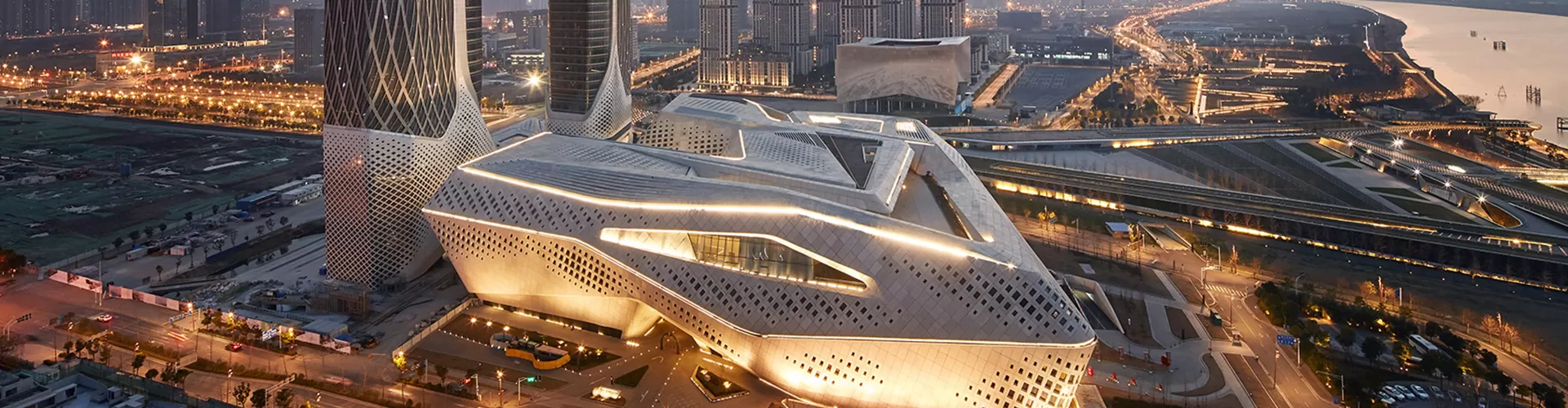
Enhanced thermal insulation and energy efficiency |
| Interior Design |
Less wasted materials and design flexibility |
| Precast Elements |
Reduced on-site waste and improved construction speed |
7. Aesthetic Advantages
GFRC offers diverse aesthetic options, accommodating various design preferences while being environmentally conscious.
Design Capabilities
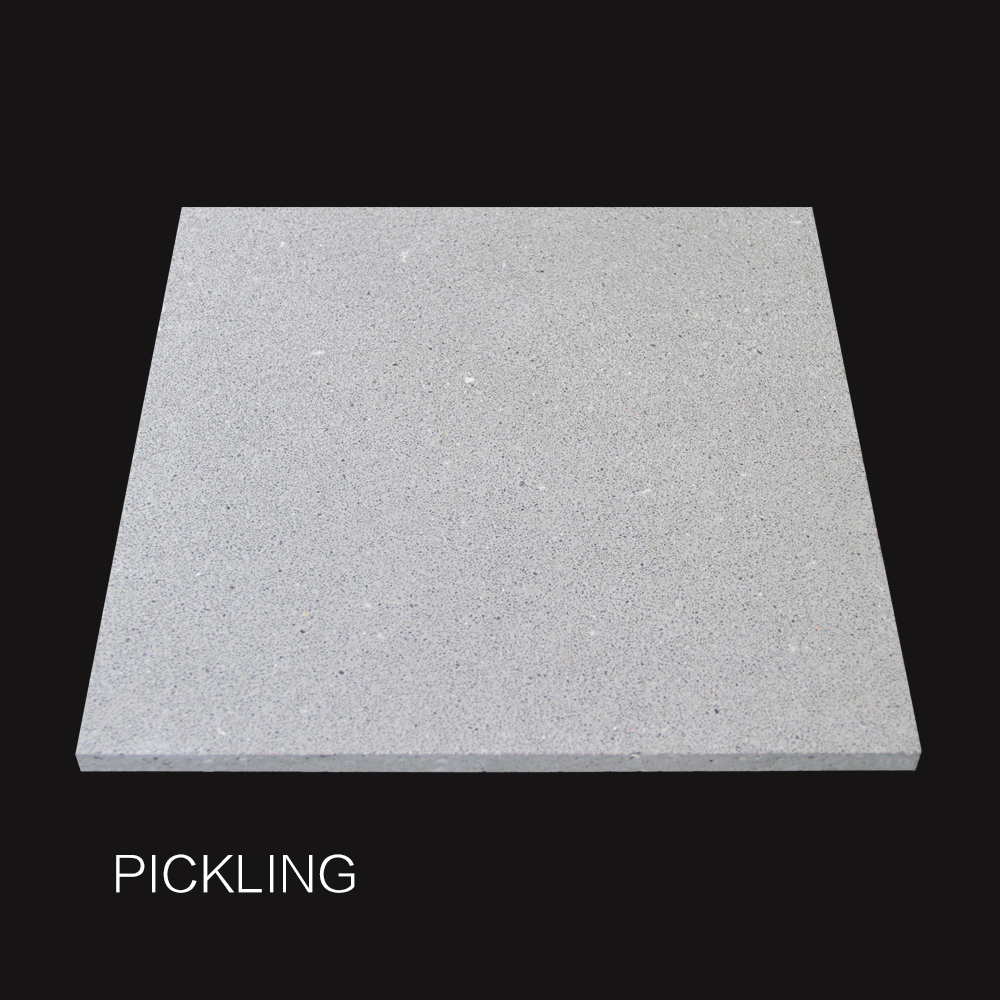
Available in numerous textures and finishes, GFRC allows architects to create stunning visuals using eco-friendly practices.
8. Healthier Indoor Environments
GFRC has been shown to contribute to better air quality and overall healthier living spaces.
Benefits for Occupational Health
Its low emissions during production help maintain clean air quality inside buildings, which is vital for occupants' well-being.
9. Economic Value Over Time
Investing in GFRC may incur higher initial costs but leads to savings in the long run through reduced maintenance.
Cost-Benefit Analysis
Projects utilizing GFRC have reported up to 20% savings in lifecycle costs compared to traditional materials due to lower repair and replacement needs.
10. Global Adoption Trends
The worldwide movement towards sustainable construction materials is seeing GFRC as a leader.
Market Statistics
Research indicates a 15% growth in the GFRC market segment over the past five years, showcasing the rising demand for sustainable alternatives.
Conclusion
Embracing Glass Fiber Reinforced Concrete as a sustainable building material not only offers aesthetic and durability benefits but also aligns with global sustainability efforts. By reducing carbon footprints, increasing resource efficiency, and promoting environmentally-friendly practices, GFRC stands out as a leader in the future of construction. As buyers and distributors seek innovative solutions, GFRC is poised to play a pivotal role in sustainable development.