Introduction
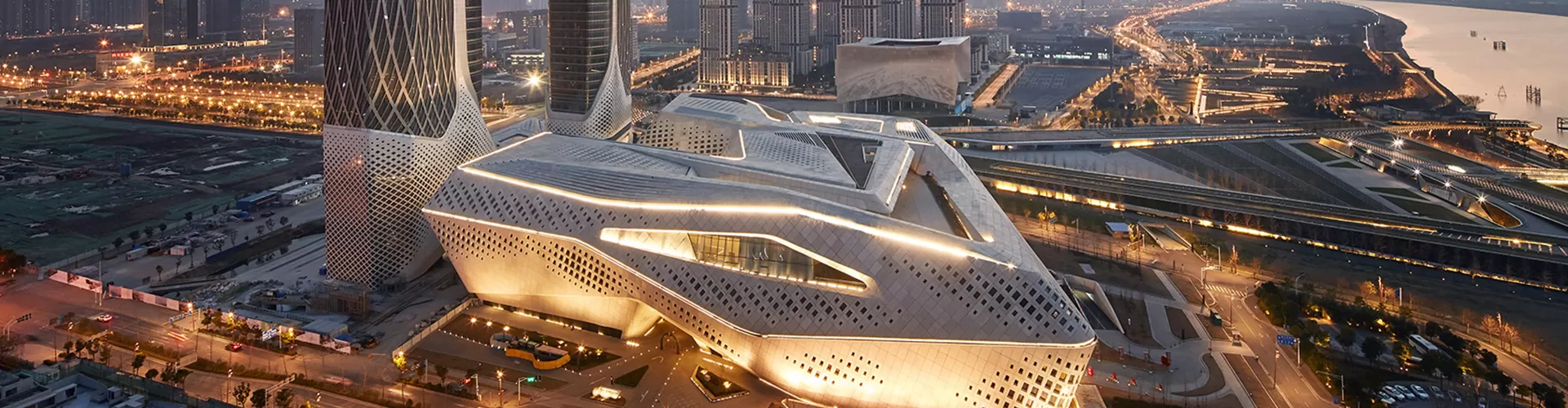
GFRC Manufacturers produce a variety of panels that are essential in modern construction. These Glass Fiber Reinforced Concrete panels offer durability, aesthetic appeal, and lightweight properties. As construction projects grow, the demand for high-quality materials increases. Builders often face challenges like weight limitations and design flexibility. GFRC panels can solve these issues effectively.
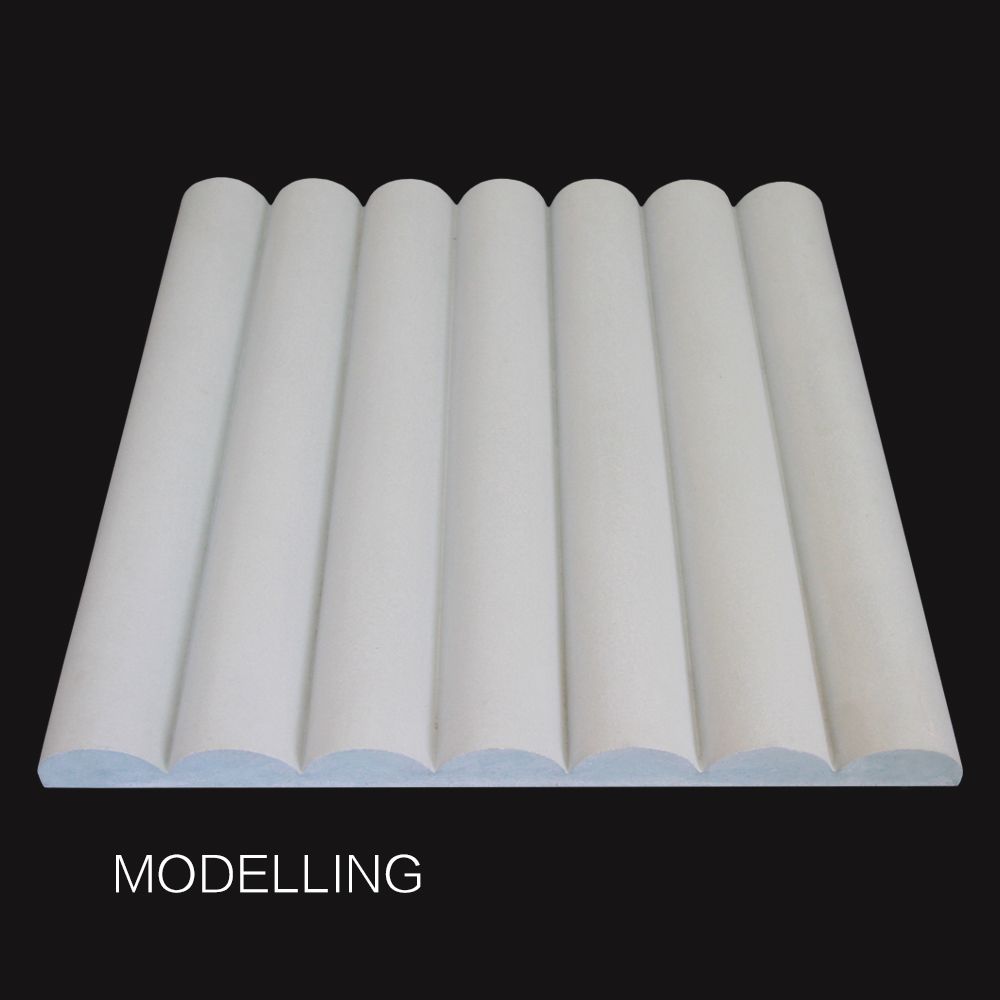
GFRC panels are versatile and can be used in various applications. They also come in different styles, colors, and finishes. This variety allows architects to be creative and meet their design goals without compromising on strength.
Summary Answer
**The most common types of GFRC panels used in construction include architectural panels, decorative elements, and cladding solutions.** Each type serves specific purposes and provides unique benefits to building projects.
1. Architectural GFRC Panels
Characteristics and Uses
Architectural GFRC panels are commonly utilized in commercial and residential buildings. They provide a sleek, professional look while ensuring longevity and resistance to various weather conditions.
- Easy to install.
- Available in several designs.
- Cost-effective solution for builders.
2. Decorative GFRC Panels
Enhancing Aesthetics
Decorative GFRC panels are often used for artistic purposes. They can be shaped and colored to match any design theme, making them ideal for interior and exterior applications.
- Customizable designs can mimic natural materials.
- Lightweight and easy to handle.
3. Cladding Solutions
Protection and Insulation
Cladding GFRC panels offer both protection and insulation for buildings. They help in energy efficiency by maintaining temperature control while providing a robust exterior layer.
- Provides structural support.
- Can be painted or treated to enhance durability.
4. Precast GFRC Panels
Efficient Installation
Precast GFRC panels are manufactured in controlled environments. This process ensures high quality and consistent results. They are then transported and installed on-site, saving time and labor costs.
- Ready-to-use panels speed up construction.
- Reduces waste and environmental impact.
5. Thin Set GFRC Panels
Lightweight Applications
Thin set GFRC panels are extremely lightweight. This makes them suitable for applications where weight is a concern, such as high-rise buildings or retrofitting existing structures.
- Excellent for modern architecture.
- Reduces load on structural frameworks.
Conclusion
In summary, GFRC panels are an innovative solution for the construction industry. They come in several types, including architectural, decorative, cladding, precast, and thin set panels. Each type offers unique benefits and can meet diverse project needs. Choosing the right type of GFRC panel is essential for optimizing durability and design in any construction project.
FAQ
What are GFRC panels made of?
GFRC panels are made from a mixture of glass fibers, cement, sand, and water, providing strength and flexibility.
What are the benefits of using GFRC panels in construction?
GFRC panels are lightweight, durable, weather-resistant, and cost-effective, making them an ideal choice for various construction applications.
Can GFRC panels be customized?
Yes, GFRC panels can be customized in terms of shape, color, and texture to meet specific design requirements.
How do you install GFRC panels?
GFRC panels can be installed using standard construction practices. They can be adhered, mechanically fastened, or hung depending on the application.
Are GFRC panels environmentally friendly?
GFRC panels can be considered environmentally friendly due to their lightweight nature, which reduces energy consumption during transportation and installation.
How long do GFRC panels last?
When properly maintained, GFRC panels can last for several decades, making them a durable option for construction projects.