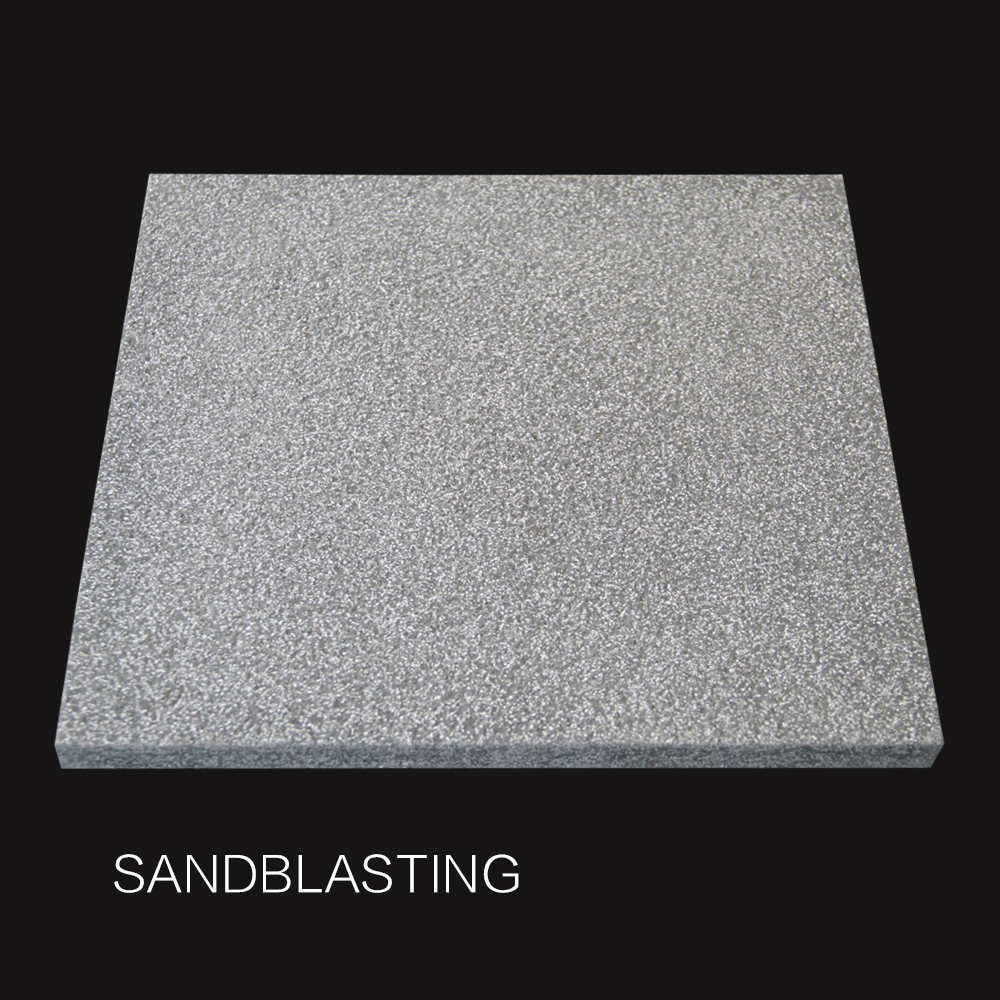
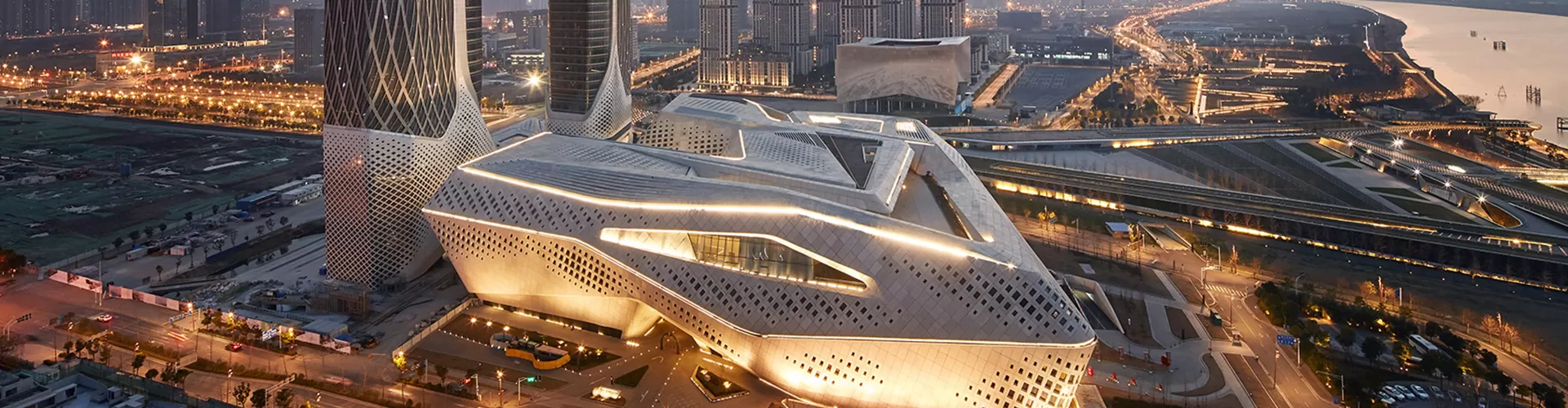
Glass Fiber Reinforced Concrete (GFRC) is a composite material that incorporates glass fibers into traditional concrete, enhancing its strength, durability, and flexibility. This innovative material is particularly valuable in the construction industry, where its lightweight yet robust characteristics offer architects and builders the opportunity to create intricate designs and structures. GFRC is often employed in decorative facades, sculptures, and precast panels, providing both aesthetic appeal and functional integrity. As a leading GFRC supplier, Jushui ensures that businesses can leverage this advanced material to elevate their projects.
The development of GFRC dates back to the 1970s, stemming from a need for lighter and more durable building materials. Initially, it gained traction in the United States for its ability to withstand weather and environmental conditions, while also being easier to mold into various shapes. With its origins rooted in the aerospace and automotive industries, GFRC has evolved to become a mainstay in modern construction. Companies specializing in GFRC manufacturing, such as Jushui, adhere to stringent quality standards, including ASTM C1710, ensuring that products meet the highest performance and safety benchmarks.
The significance of GFRC lies in its versatile applications across numerous sectors. Here are some of the practical uses that highlight its value:
Architectural Panels: GFRC can be molded into precast panels for external facades, allowing for intricate designs while significantly reducing weight compared to traditional concrete.
Sculptures and Artwork: Artists and designers use GFRC to create durable outdoor sculptures that can withstand the elements without degrading.
Countertops and Furnishings: Its combination of strength and elegance makes GFRC an excellent choice for unique interior designs, including custom countertops and furniture.
Landscaping Features: GFRC is often used for outdoor features like fountains and garden sculptures, providing the ability to create detailed designs that are resilient to various weather conditions.
Despite its advantages, several misconceptions surround GFRC. One common misunderstanding is that because it contains glass fibers, it is fragile. In reality, GFRC is designed to distribute stress evenly, making it far more resilient than traditional concrete under certain loads. Another misconception is that GFRC requires tedious maintenance. On the contrary, its surface can resist stains and environmental damage, needing only standard cleaning processes to keep it looking pristine.
To clarify these concepts, let’s consider a practical example: a commercial building facade designed using GFRC. A notable case study is the façade of the Hyatt Place Hotel in Ontario, Canada. By utilizing GFRC panels for its exterior, the design team was able to achieve a striking, modern aesthetic while adhering to building codes and durability requirements. The project exemplified how GFRC could not only meet artistic ambitions but also facilitate faster construction timelines, thanks to its lightweight nature.
In summary, Glass Fiber Reinforced Concrete (GFRC) is a revolutionary material that merges the best properties of traditional concrete with the added benefits of glass fibers. With its diverse applications, from architectural enhancements to landscape features, GFRC is reshaping how builders and designers approach modern construction challenges. As a distinguished GFRC supplier, Jushui is at the forefront of this evolution, offering products that conform to industry standards and exceed client expectations. By choosing GFRC, businesses can achieve remarkable outcomes and opt for innovative solutions in their projects. Explore more about the potential of GFRC and consider how it can elevate your next construction endeavor!